Over 200 shopkeepers blocked traffic for 90 minutes in Rawalpindi on 17 February 2026, combining with ongoing construction to create severe traffic chaos ahead of Ramazan shopping.
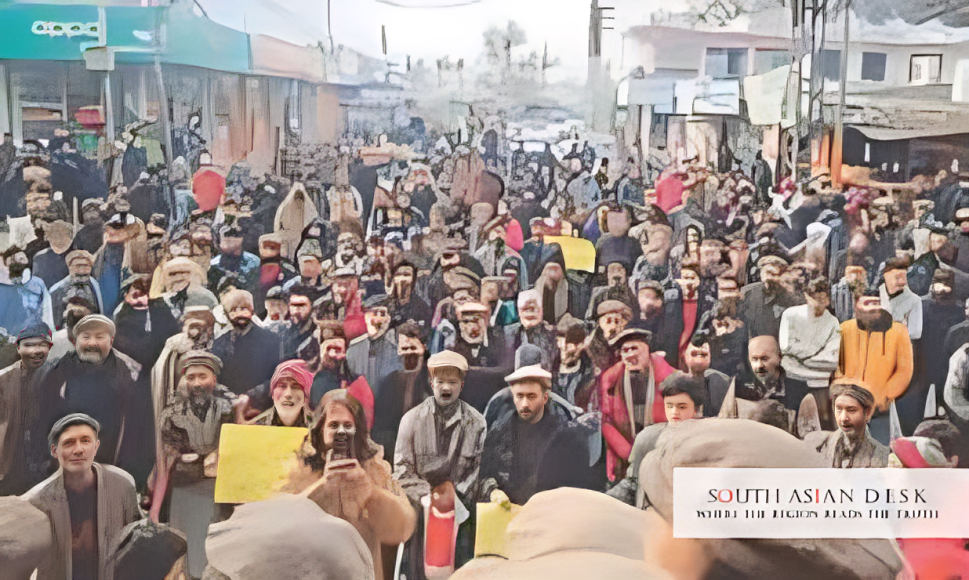
More than 200 traders staged a traders protest rawalpindi on Tuesday, 17 February 2026, shutting down Murree Road at Liaquat Bagh and triggering hours-long traffic jams across the garrison city.
The demonstration, organised by the Rawalpindi Central Traders Association, targeted enforcement actions by multiple government bodies. Protesters accused the Punjab Enforcement and Regulatory Authority (PERA), Punjab Food Authority, District Price Control Committee, Punjab Revenue Authority and district administration of imposing excessive fines, sealing shops and registering cases against shopkeepers.
The murree road protest rawalpindi lasted approximately 90 minutes starting around 3pm, bringing major arteries to a standstill. Motorists reported being stuck for up to three hours while trying to reach Raja Bazaar and other downtown markets for Ramazan preparations.
Traders Protest Rawalpindi Demands Immediate Relief From Multiple Agencies
Association president Shahid Ghafoor Paracha led the protest alongside senior office-bearers including Raja Towhid, Rana Khurram, Malik Waqar, Sajid Butt, Zaheer Abbasi, Saleem Pervaiz Butt, Sardar Saqib, Saifullah Khan and Haji Atta.
Carrying placards and chanting slogans, the traders claimed PERA officials had misbehaved with shopkeepers and customers. Paracha stated that instead of creating a conducive business environment, the government had made trading impossible.
He said six different organisations visited shops daily to collect fines while inflation had slashed consumer purchasing power. No official price list existed and no action was taken against wholesalers and industrialists who raised prices of essential items, he added.
“If the situation continues, we will be forced to lock our shops and hand over the keys to the district administration,” Paracha warned during the traders protest rawalpindi.
The association appealed directly to Punjab Chief Minister Maryam Nawaz Sharif. Paracha said that if legitimate demands were not met, the traders would consult business bodies across Punjab and launch a province-wide shutter-down strike.
Rawalpindi Gridlock Traders Worsened By Construction Work
The pindi traders protest coincided with ongoing road construction at Kutchery Chowk, choking alternative routes such as Jhanda Chichi, Jinnah Park and Ammar Chowk. Traffic in Raja Bazaar also came to a halt because of the Murree Road closure.
Motorist Mohammad Bilal told reporters he left College Road at 3pm intending to return home via Jhelum Road but remained trapped until 6:15pm. Another driver, Imran Nazir, said he spent two hours stuck on Jhanda Chichi and Murree Road after visiting Bara Market.
Instead of easing congestion, police focused on issuing challans, eyewitnesses claimed.
Background To Pindi Traders Protest
The traders protest rawalpindi had been rescheduled from 16 February to 17 February following a joint press conference at Rawalpindi Press Club on 15 February.
At that briefing, Paracha and Mohammad Farooq Chaudhry, president of the Rawalpindi Restaurants, Caterers, Sweets and Bakers Association, highlighted unrealistic price controls, surging electricity and gas rates, and inflation that had badly affected business activity.
They noted that traders had supported the PML-N in the past but current policies left them unable to offer affordable goods during Ramazan.
The murree road protest rawalpindi therefore represented the latest escalation in long-standing grievances over regulatory pressure and lack of consultation on price lists.
Rawalpindi Gridlock Traders Highlights Economic Strain Ahead Of Ramazan
The combined impact of the protest and construction created one of the worst traffic situations in recent months in the twin cities of Rawalpindi and Islamabad. Thousands of shoppers heading to markets for Ramazan essentials faced delays, raising concerns about supply chain disruptions in the critical pre-fasting period.
Such incidents underscore the delicate balance between enforcement of regulations and maintaining commercial activity in Pakistan’s urban centres, where traders form a vital part of the retail economy.
No immediate official comment was available from the district administration, PERA or the Punjab government on the specific demands raised during the traders protest rawalpindi.
What’s Next for Traders Protest Rawalpindi
Paracha indicated that the Rawalpindi Central Traders Association would monitor the government’s response closely. Failure to address the issues could lead to broader provincial action, potentially affecting markets across Punjab in the coming weeks.
The pindi traders protest has already drawn attention to the need for better coordination between enforcement agencies and the business community, especially with Ramazan expected to begin in early March 2026.
Traders have reiterated their readiness to provide relief to consumers but insist that a business-friendly environment must be restored first.
Published in SouthAsianDesk, February 18th, 2026
Follow SouthAsianDesk on X, Instagram and Facebook for insights on business and current affairs from across South Asia.