Washington: US President Donald Trump has endorsed a bill enabling Trump India sanctions Russian oil through tariffs up to 500%. The bipartisan legislation announced by Senator Lindsey Graham on Wednesday January 7 2026 aims to penalise nations like India China and Brazil for purchasing discounted Russian crude. This move seeks to cut funding for Russia’s war in Ukraine.
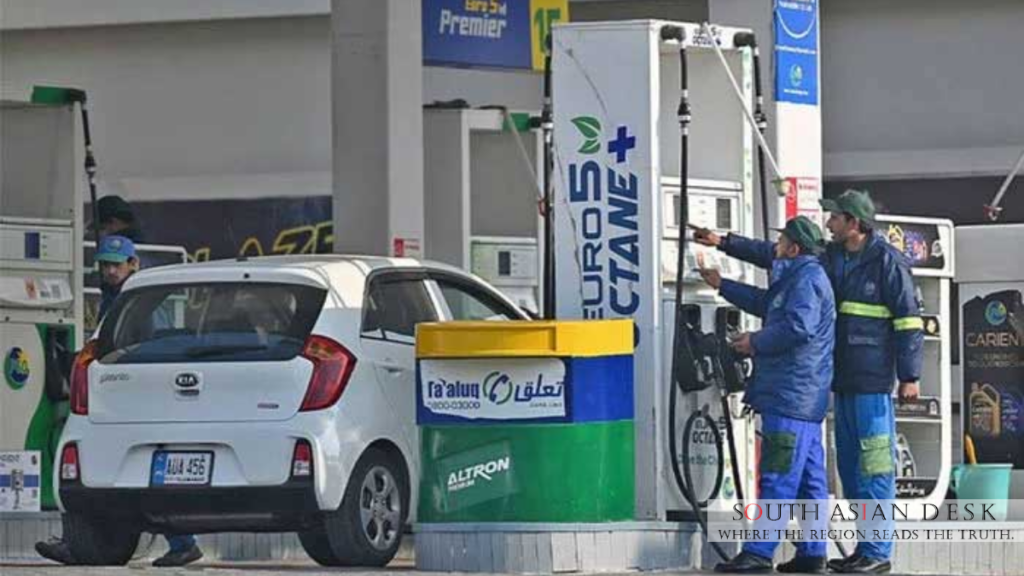
The bill holds critical implications for South Asia. India relies heavily on Russian oil imports which could face disruptions raising energy costs and affecting economic ties with the US. Regional stability may suffer if trade tensions escalate.
Trump Bill Sanctions China India Details
The Trump bill sanctions China India stems from the Sanctioning Russia Act of 2025 or S.1241. Introduced on April 1 2025 by Senators Lindsey Graham and Richard Blumenthal it gained 81 cosponsors by May 2025. The act imposes primary sanctions on Russian officials financial institutions and entities. It also authorises secondary measures including duties not less than 500% on goods from countries buying Russian-origin oil uranium natural gas petroleum or petrochemical products.
Graham stated in his announcement: “This bill will allow President Trump to punish those countries who buy cheap Russian oil fuelling Putin’s war machine.” He added: “This bill would give President Trump tremendous leverage against countries like China India and Brazil to incentivise them to stop buying the cheap Russian oil that provides the financing for Putin’s bloodbath against Ukraine.”
Trump’s support came after a meeting with Graham on January 7 2026. Graham described the discussion as “very productive” and noted Trump “greenlit” the bipartisan effort. The timing aligns with Ukraine’s concessions for peace while Russia continues military actions.
The 500% tariff India Russian oil provision appears in Section 17 of the bill. It increases duty rates on all imports from offending countries to at least 500% ad valorem. This applies 15 days after a presidential determination that Russia refuses good-faith peace negotiations violates agreements or invades Ukraine again. The tariff adds to existing antidumping or countervailing duties.
Section 15 similarly hikes duties on Russian imports to 500%. The bill prohibits US investments in Russia’s energy sector and bans uranium imports from Russia including state-owned Rosatom.
Lindsey Graham Russia Sanctions Push
Lindsey Graham Russia sanctions advocacy drives the legislation. In a joint press release with Blumenthal on May 21 2025 they stated: “Our legislation will isolate Russia putting it on a trade island by imposing stiff tariffs on other countries that support these atrocities.” They highlighted China’s role in buying cheap Russian oil via the shadow fleet noting without such support “Putin’s war machine would come to a grinding halt.”
Graham reiterated in his January 7 2026 statement: “This will be well-timed as Ukraine is making concessions for peace and Putin is all talk continuing to kill the innocent.” He expressed hope for a bipartisan vote as early as next week.
The Trump bill sanctions China India targets major buyers. Data shows China purchased nearly half of Russia’s crude exports in November 2025. India accounted for about 38%. Brazil increased imports post-2022 invasion but volumes have declined recently.
These nations continue dealings despite US and European sanctions on Russia’s energy sector imposed after the Ukraine invasion. The bill aims to enforce secondary sanctions on entities facilitating Russia’s energy trade.
Background
Russia’s invasion of Ukraine began February 24 2022 leading to widespread sanctions. The US imposed measures under the International Emergency Economic Powers Act and Countering America’s Adversaries Through Sanctions Act. However countries like India and China filled the gap buying discounted oil.
India’s imports from Russia surged from 1% pre-war to over 40% of its crude needs by 2025. This saved billions in foreign exchange but drew US scrutiny. China remains Russia’s top buyer supporting Moscow’s economy amid war costs estimated at USD 100 billion annually.
The Sanctioning Russia Act builds on prior efforts. It requires presidential certifications every 90 days on Russia’s compliance with peace terms. Waivers for tariffs are limited lasting up to 180 days for national security reasons but barred for state sponsors of terrorism.
Bipartisan support reflects US consensus on pressuring Russia. Cosponsors include Republicans like Dan Sullivan and Democrats like Chris Coons. The act also prohibits US financial institutions from investing in Russian entities and bans trading of Russian securities on US exchanges.
South Asian economies watch closely. India balances ties with Russia a key arms supplier while deepening US partnerships via Quad. Sanctions could strain this equilibrium raising fuel prices and inflation.
What’s Next for Trump India Sanctions Russian Oil
Congress may vote on the bill next week per Graham. If passed Trump could implement tariffs swiftly upon determination of Russian non-compliance.
Negotiations between Moscow and Kyiv continue with US backing European proposals for Ukraine’s security. Russia’s response to peace terms due soon will influence enforcement.
India and China may seek exemptions or diversify energy sources. Diplomatic talks could mitigate impacts.
Analysts predict short-term disruptions but long-term shifts in global energy markets. The 500% tariff India Russian oil looms as a tool for leverage.
If enacted the Trump India sanctions Russian oil could reshape alliances. Observers await Russia’s ceasefire term sheet for clues.
The legislation positions the US to intensify pressure. It underscores commitment to Ukraine’s sovereignty.
Potential waivers offer flexibility but core aim remains defunding Russia’s war.
South Asia prepares for ripple effects. Energy security becomes paramount.
The Trump bill sanctions China India signals assertive policy. Outcomes hinge on congressional action.
Lindsey Graham Russia sanctions bill advances amid geopolitical shifts. It tests international resolve.
As peace talks evolve Trump India sanctions Russian oil remains a pivotal issue.
Published in SouthAsianDesk, January 8th, 2026
Follow SouthAsianDesk on X, Instagram and Facebook for insights on business and current affairs from across South Asia.