US President Donald Trump reduces tariffs on India to 18 per cent from 50 per cent following a phone call with Prime Minister Narendra Modi. The move comes as India shifts away from Russian oil imports.
US President Donald Trump announced on Monday, 2 February 2026, that he has reduced tariffs on India to 18 per cent from 50 per cent. The decision followed a phone conversation with Indian Prime Minister Narendra Modi, where Trump claimed India agreed to halt Russian oil purchases and boost US imports.
US India Trade Deal Details
The US India trade deal centres on tariff reductions and energy shifts. Trump stated the reciprocal tariff drops from 25 per cent to 18 per cent immediately. A US official told Reuters the change removes a 25 per cent punitive duty imposed over India’s Russian oil buys, added to the existing 25 per cent reciprocal rate.
Trump’s announcement on Truth Social detailed India’s commitments. He said India would stop Russian oil purchases and source from the US and possibly Venezuela. Trump also claimed India would reduce its tariffs and non-tariff barriers on US goods to zero. Modi committed to over USD 500 billion in US energy, technology, agricultural, coal, and other products, per Trump.
Modi’s response on X focused on the tariff cut. He expressed delight that Made in India products now face 18 per cent US tariffs. Modi thanked Trump on behalf of India’s 1.4 billion people but did not address halting Russian oil or reducing Indian tariffs.
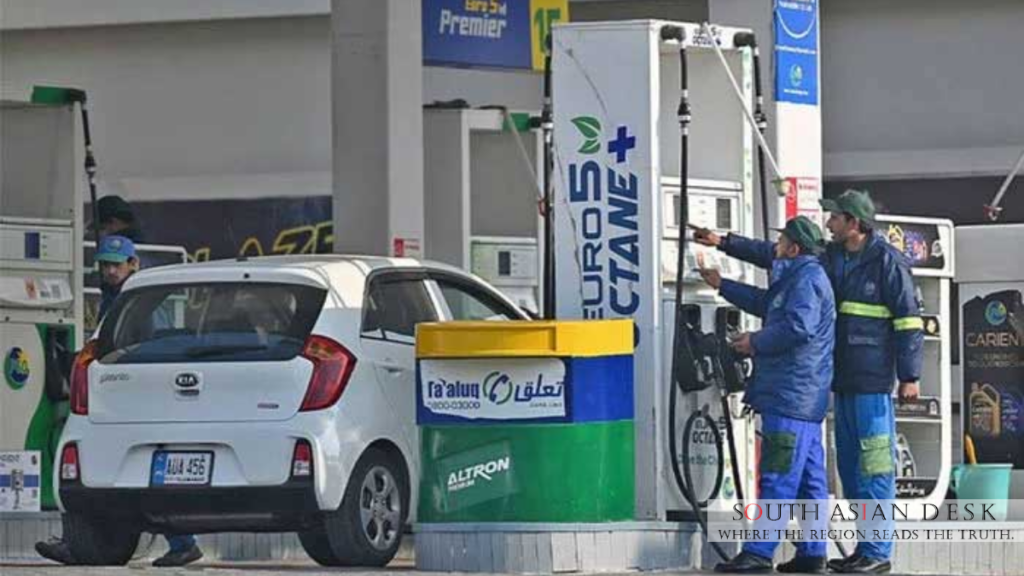
India relies on imports for 90 per cent of its oil needs. Russian supplies have been key since 2022 Western sanctions following Moscow’s Ukraine invasion, offering discounts. Recent data shows declines: 1.2 million barrels per day in January 2026, projected at 1 million in February and 800,000 in March.
Trump Modi Tariff Agreement Implications
The Trump Modi tariff agreement eases pressures on Indian exporters. US markets are vital for Indian industries like textiles, pharmaceuticals, and IT services. The 50 per cent tariffs, doubled last August, led to record foreign outflows and made Indian stocks the worst-performing in emerging markets in 2025.
Experts view the pact as a de-escalation rather than a full deal. Rachel Ziemba, adjunct senior fellow at the Center for a New American Security, noted the 18 per cent rate aligns with Southeast Asian levels. Vina Nadjibulla, vice president at the Asia Pacific Foundation of Canada, said Modi welcomed the cut but did not reaffirm Trump’s claims on Indian tariffs. She added India will continue diversifying suppliers amid unpredictable US ties.
For South Asia, the shift could influence regional energy dynamics. India, the world’s third-largest oil importer, moving from Russian sources may affect supply chains. Neighbouring countries like Pakistan, reliant on imported energy, could see indirect impacts on global prices.
The agreement follows India’s recent free trade pact with the European Union after nearly two decades. That deal enables duty-free trade on most goods and cuts taxes on European cars and wine.
Background on US-India Trade Tensions
Tensions escalated last year when Trump imposed 25 per cent reciprocal tariffs on India, then added punitive duties over Russian oil. Trump threatened further hikes this month if India did not curb those imports. Negotiations have been tense, with the US using tariffs to pressure Delhi on geopolitical alignments.
India has reduced Russian oil reliance gradually. Purchases peaked post-2022 but have fallen amid US warnings. Venezuela, a past supplier, could resume exports under the deal, though terms remain unclear. Trump mentioned this helps end the Ukraine war by cutting Russian revenues.
The US India trade deal fits Trump’s broader policy of reciprocal trade. He has targeted nations with trade surpluses, including India, which exported USD 87 billion to the US in 2025 while importing USD 33 billion.
India Stops Russian Oil Purchases: What It Means
If confirmed, India stops Russian oil purchases would mark a major pivot. Russia supplied over 40 per cent of India’s crude in recent years, saving billions via discounts. Shifting to US oil could raise costs, with US West Texas Intermediate at USD 75 per barrel versus Russian Urals at USD 60.
Indian refiners need a wind-down period, sources told Reuters. No government order has halted imports yet. The move supports US efforts to isolate Russia economically over Ukraine.
For South Asia, this could stabilise energy markets but increase vulnerability to US supply disruptions. India’s diversification includes Middle Eastern and African sources.
What’s Next after Trump Reduces Tariffs
Analysts expect market rebounds. Indian stocks and the rupee may rally as tariff uncertainty lifts. Foreign inflows could return after 2025 outflows.
Longer-term, the US India trade deal may expand. Trump and Modi discussed Ukraine, with Modi backing peace efforts. Further talks could address technology transfers and defence ties.
The pact underscores shifting alliances. As Trump reduces tariffs on India, it signals improved bilateral relations amid global tensions.
This development positions India to balance trade dependencies while Trump advances his agenda. Future updates depend on implementation, with Trump reducing tariffs on India as a key step.
Published in SouthAsianDesk, February 3rd, 2026
Follow SouthAsianDesk on X, Instagram and Facebook for insights on business and current affairs from across South Asia.