Trump Upholds India-U.S. Trade Deal: On February 20, 2026, U.S. President Donald Trump confirmed that the parameters of the India-U.S. deal announced earlier in the month remain unchanged despite a U.S. Supreme Court ruling deeming his ‘reciprocal tariffs’ unlawful. The ruling, handed down on the same day, determined that Trump had overstepped his authority under the International Emergency Economic Powers Act (IEEPA).
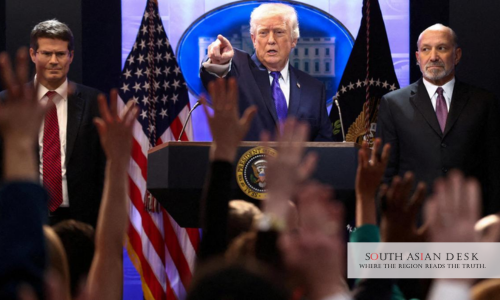
In a press conference following the decision, Trump criticized the Justices who opposed his tariffs, labeling them as ‘fools’ and ‘unpatriotic.’ Despite this setback, he announced plans to implement a broad 10% ‘global tariff’ using Section 122 of the U.S. Trade Act of 1974, effective within three days. This measure will last for a maximum of 150 days.
Trump emphasized that existing Section 232 tariffs, imposed for national security reasons, and Section 301 tariffs, related to unfair trade practices, would remain. He also initiated new 301 probes, though the legal basis for an 18% tariff on Indian imports remains unclear.
During the conference, Trump praised Indian Prime Minister Narendra Modi as a ‘great gentleman’ but accused India of exploiting the U.S. before the new deal. He asserted that India had reduced its oil purchases from Russia at the U.S.’s request and took credit for de-escalating a conflict between India and Pakistan in 2025 by threatening substantial tariffs.
Trump Upholds India-U.S. Trade Deal and Its Implications
Looking ahead, Trump did not confirm a visit to India for the upcoming Quad Summit, which includes leaders from the U.S., India, Japan, and Australia. This meeting, postponed from the previous year, remains unscheduled.
Published in SouthAsianDesk, February 21st, 2026
Follow SouthAsianDesk on X, Instagram and Facebook for insights on business and current affairs from across South Asia.