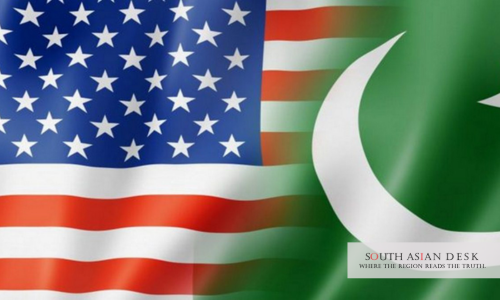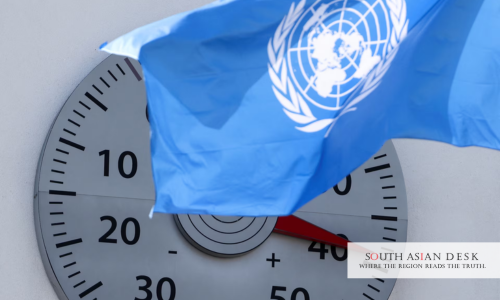
Washington: US President has signed a memorandum directing the withdrawal of the US from UN entities and other international organisations. Trump withdraws from UN and announced on Wednesday, January 7, 2026, targets 31 UN bodies and 35 non-UN groups. Officials cite conflicts with US interests as the reason for the immediate withdrawals.
This move could reshape global cooperation, affecting South Asia. Countries such as India, Pakistan, and Bangladesh rely on UN programs for climate aid, development, and health support. Reduced US involvement may strain regional funding and multilateral efforts amid ongoing challenges, such as climate change and population growth.
Trump US Exit UNFCCC And Climate Bodies
The memorandum lists the UN Framework Convention on Climate Change among the targets for the Trump administration’s exit from the UNFCCC. This treaty underpins the 2015 Paris Agreement, which Trump already initiated withdrawal from upon taking office.
Withdrawal from UNFCCC marks a first for any nation. Every other country remains a member. Experts note that this could diminish U.S. influence in global economic policies tied to climate change.
The White House states these entities promote radical climate policies and global governance. Such agendas conflict with US sovereignty and economic strength per the official fact sheet.
Other climate-related pullouts include the Intergovernmental Panel on Climate Change and the International Renewable Energy Agency. These steps build on Trump’s prior decisions to skip the annual UN climate summit in 2025.
Trump Withdraws WHO And Health Entities
Trump withdraws from the WHO as part of a broader US withdrawal from international organizations. The World Health Organization exit began immediately after Trump’s inauguration. The memorandum reinforces this by ceasing funding and participation where possible.
Additional health-focused withdrawals target the UN Population Fund. This agency aids family planning and maternal health in over 150 countries, including South Asian nations.
The UN Entity for Gender Equality and the Empowerment of Women also faces an uncertain future. Known as UN Women, it advances gender empowerment globally. US officials argue these bodies advance ideological programmes inefficiently.
The fact sheet highlights the end of taxpayer funding for entities that undermine U.S. independence. Billions spent yield little return while criticizing US policies, according to the document.
US Withdrawal from International Organizations: Scope
The US withdrawal from international organizations spans diverse areas. Non-UN groups include the International Energy Forum and the International Union for Conservation of Nature.
UN entities encompass the UN Conference on Trade and Development and the UN Peacebuilding Commission. The memorandum directs agencies to act swiftly, consistent with the law. For UN bodies, withdrawal entails halting participation and funding to the extent permitted. The review stemmed from Executive Order 14199 issued February 4, 2025.
That order mandated assessment of all international engagements. Secretary of State findings informed Trump’s decisions. The proclamation affects bodies like the UN University and UN Water. It also targets the Office of the Special Representative on Violence Against Children.
Background
Trump’s scepticism of multilateralism dates to his first term. He quit UNESCO in 2017 and halted funding to the UN Human Rights Council.
In 2025, Trump extended a pause on contributions to the UN Relief and Works Agency. He also notified the Organisation for Economic Co-operation and Development that its global tax deal holds no force in the US.
South Asia has deep UN ties. Pakistan contributes troops to peacekeeping missions under bodies like the Peacebuilding Commission now targeted. India engages heavily with the UNFCCC for climate finance. Bangladesh benefits from UNFPA programmes amid population pressures.
Global data show that the US provides approximately 22% of the UN’s regular budget. Voluntary contributions fund many specialised agencies. Withdrawals could redirect billions in US aid. However, specifics on savings remain unclear.
Historical precedents include the US rejoining certain organizations under previous administrations. Trump aims to prioritize domestic issues, such as infrastructure and the military. The memorandum notes ongoing reviews. Further exits may follow.
What’s Next after Trump Withdraws From UN
Agencies must implement withdrawals promptly. Guidance from the Secretary of State will follow. International reactions could emerge at upcoming UN sessions. Partners may seek to fill funding gaps.
South Asian nations might adjust strategies for UN support. Bilateral deals with the US could gain prominence. If legal challenges arise, courts may review. Waivers for national security are limited.
The move sets the tone for Trump’s term. Focus shifts to America First policies. Monitoring the impacts on global issues, such as climate change and health, continues. Adjustments in US foreign aid loom.
Trump’s withdrawal from the UN signals a shift toward isolationism. Effects ripple worldwide. The proclamation reinforces the sovereignty focus. It ends involvement in inefficient entities. Stakeholders anticipate budget reallocations. Domestic priorities benefit.
Global governance faces tests. Cooperation without the US evolves. Trump’s US exit from UNFCCC alters climate talks. Negotiations proceed minus the key player. Trump withdraws, WHO completes health pullout. Pandemic responses adapt.
US withdrawal from international organizations reshapes alliances. Partners respond accordingly. The action concludes a review process. Future memos may expand the scope. Trump’s withdrawal from the UN remains a defining policy.
Published in SouthAsianDesk, January 8th, 2026
Follow SouthAsianDesk on X, Instagram and Facebook for insights on business and current affairs from across South Asia.