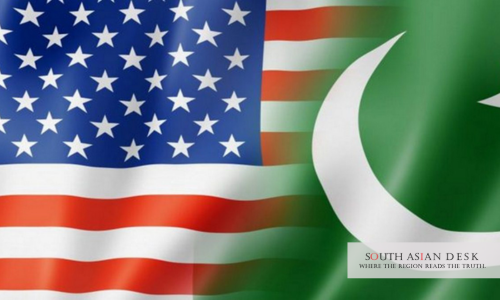
Turkey joins Pakistan Saudi defence pact discussions have reached an advanced stage, according to a Bloomberg report published on 9 January 2026. The expansion would link three major powers: nuclear-armed Pakistan, oil-rich Saudi Arabia, and Turkiye with its strong defence industry. Talks aim to strengthen collective security amid questions over US reliability and regional shifts.
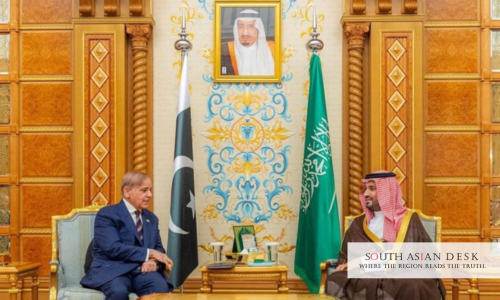
Türkiye Pakistan Saudi defence pact could reshape regional dynamics. The original Pakistan Saudi defence pact Turkey seeks to join was signed on 17 September 2025 in Riyadh. Prime Minister Shehbaz Sharif and Saudi Crown Prince Mohammed bin Salman agreed that any aggression against one would be considered an act against both.
Why This Matters in South Asia
South Asia, particularly Pakistan, stands to gain from enhanced strategic depth through this potential trilateral arrangement. Pakistan’s long-standing ties with Saudi Arabia provide economic support and defence cooperation. Adding Turkiye bolsters military technology transfer, including drones, warships, and aircraft upgrades. This aligns with Pakistan’s efforts to diversify alliances amid tensions with India and Afghanistan. For the region, a stronger Muslim-majority security framework promotes stability, deters threats, and reduces reliance on external powers. It also supports economic ties, with remittances from Pakistani workers in Saudi Arabia and joint defence projects creating opportunities.
Background on the Original Pact
The Strategic Mutual Defence Agreement between Pakistan and Saudi Arabia formalised decades of close relations. Roots trace to the 1960s, with Pakistani troops deployed in Saudi Arabia for border security and training. Over time, cooperation expanded to include joint exercises, officer training, and arms supplies. The 2025 pact elevated this to a binding commitment for mutual defence. It reflects shared interests in countering regional instability, particularly following events like Israeli strikes in the Middle East. The agreement emphasises joint deterrence without explicit mention of nuclear aspects.
Details from the Bloomberg Report
Bloomberg cited people familiar with the matter on 9 January 2026. Turkiye’s interests increasingly overlap with Pakistan and Saudi Arabia in South Asia, the Middle East, and Africa. The pact would strengthen security amid doubts about US commitments, including NATO reliability under President Trump. Analyst Nihat Ali Ozcan from Ankara-based think tank TEPAV stated that changing dynamics prompt countries to develop new mechanisms to identify friends and foes. Turkiye brings military experience and a developed defence industry. Riyadh offers financial clout. Islamabad provides nuclear capability, ballistic missiles, and manpower.
Turkiye and Pakistan already collaborate closely. Projects include Milgem corvette warships for the Pakistan Navy and upgrades to F-16 fighter jets. Drone technology sharing occurs. Turkiye seeks Pakistan and Saudi Arabia’s participation in its Kaan fifth-generation fighter jet program.
Recent developments include the first-ever Turkiye-Saudi naval meeting in Ankara this week. Ties between Riyadh and Ankara have improved after past tensions. Both share concerns over Iran and prefer engagement over force.
Current Status of Talks
The information ministry and Turkiye’s defence ministry declined to comment. Saudi authorities were not immediately available. No official statements from governments confirm the deal as final. The report describes the deal as very likely.
Forward-Looking Impact
If concluded, Turkey joins Pakistan Saudi defence pact would create a powerful trilateral bloc. It would enhance deterrence, boost defence industry cooperation, and promote stability across regions. As talks progress, the Türkiye Pakistan Saudi defence pact promises deeper integration in security and technology.
What’s Next
Negotiations continue at senior levels. Official announcements from Islamabad, Riyadh, or Ankara could follow. Monitoring includes potential high-level meetings and joint statements. Progress hinges on aligning strategic interests amid global uncertainties.
Published in SouthAsianDesk, January 12th, 2026
Follow SouthAsianDesk on X, Instagram and Facebook for insights on business and current affairs from across South Asia.