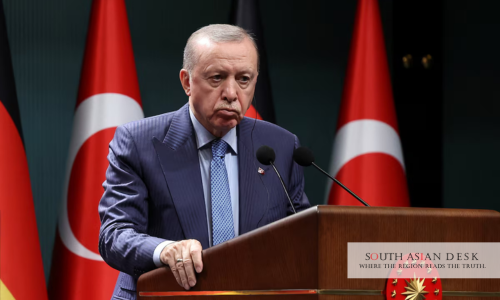
A Turkish delegation’s effort to intensify the Pakistan-Afghanistan peace deal effort is underway this week, led by Foreign Minister Hakan Fidan, Defence Minister Yasar Guler, and intelligence chief Ibrahim Kalin. The trio arrives in Islamabad on November 12, 2025, to broker a permanent ceasefire following recent rounds of mediation. President Tayyip Erdogan announced the mission on November 9 during his return from Baku. The talks aim to extend the truce to October 19 amid ongoing cross-border tensions. This push underscores Turkiye mediation in the Pak-Afghan truce initiatives since the summer.
The Turkish delegation Pakistan Afghanistan peace deal carries weight across South Asia, where Pakistan-Afghanistan frictions disrupt trade routes worth USD 2.5 billion annually and fuel militancy spillover into Iran and Central Asia. Stability here bolsters regional security pacts like the Quadrilateral Traffic in Transit Agreement, easing refugee burdens on hosts like Pakistan with 1.4 million Afghan returnees since 2023.
Turkiye Mediation Pak-Afghan Truce Builds on Istanbul Gains
Turkiye mediation of Pak-Afghan truce efforts peaked in Istanbul from October 25 to 30, 2025, where delegations from Afghanistan, Pakistan, Turkiye, and Qatar convened. A joint statement issued on October 30 affirmed a commitment to solidify the ceasefire agreed upon earlier that month. Parties pledged to curb cross-border incursions and enhance intelligence sharing.
The October meetings addressed core demands, including Pakistan’s call for Afghan soil to halt Tehrik-i-Taliban Pakistan operations. Afghan representatives countered with repatriation concerns. Mediators facilitated point-by-point discussions, per a Pakistani foreign ministry briefing on November 7. Progress stalled on verification mechanisms, prompting the Islamabad follow-up.
Erdogan hailed the framework during an Ankara press conference on October 30, stating: “We aim to seal a permanent ceasefire and peace between the nations as soon as possible.” His words, echoed in official readouts, signal Ankara’s stake in countering extremism. Qatar co-hosted the Istanbul sessions, contributing logistical support and Doha-based channels.
This Turkish delegation Pakistan Afghanistan peace deal phase marks the seventh round since June 2025, when initial contacts began post a deadly border skirmish. Envoys shuttled between capitals, yielding a 90-day truce on October 19 that curbed artillery exchanges along the Durand Line.
Erdogan Pushes for Pakistan, Afghanistan Ceasefire Drives Momentum
Erdogan’s push for a Pakistan-Afghanistan ceasefire gained traction after his Baku meeting with Prime Minister Shehbaz Sharif on November 8. The leaders aligned on the urgency, with Sharif thanking Türkiye for its “unwavering support” in a joint readout. Erdogan positioned the visit as a “decisive step,” urging restraint amid reports of 12 ceasefire violations since October.
Pakistan’s Foreign Ministry spokesperson, in a November 7 briefing, confirmed that mediators relay Islamabad’s stipulations to Kabul counterparts. Key asks include dismantling TTP safe havens and joint patrols. Afghanistan seeks an eased visa regime for traders. Data from the UN Assistance Mission in Afghanistan logs a 45 per cent drop in cross-border incidents post-truce, yet sporadic firing persists near Torkham.
The Erdogan push for Pakistan-Afghanistan ceasefire aligns with Turkiye’s broader Afghan policy, rooted in the 2021 Doha talks where Ankara hosted Taliban delegations. Bilateral trade hit USD 500 million in 2024, with Pakistan exporting cement and textiles. Stability promises to revive the USD 1 billion TAPI pipeline project, which has been stalled since 2016.
Critics note challenges. A November 6-7 virtual round, mediated by Turkiye and Qatar, failed to finalize details, according to diplomatic sources. Afghan Taliban spokesman Zabihullah Mujahid tweeted on November 8: “We remain committed to peace, but sovereignty intact.” No formal charges followed recent clashes killing five Pakistani troops.
Turkish Officials Visit Islamabad 2025 Targets Border Stability
Turkish officials visit Islamabad. The 2025 schedule spans two days, with a focus on closed-door sessions at the Foreign Office. The agenda covers de-escalation protocols and economic incentives, such as duty-free zones. Fidan leads diplomacy, Guler addresses military confidence-building measures, and Kalin handles intelligence coordination.
Pakistan prepares with inter-agency briefings. Army chief General Asim Munir met Erdogan in Baku, pledging cooperation. Islamabad is eyeing a memorandum on joint monitoring, potentially deploying 200 observers along the 2,600 km-long frontier.
The Turkish officials’ visit to Islamabad in 2025 builds on a 2023 trilateral summit in Ankara, where leaders established anti-terror frameworks. Recent gains include a 20 percent rise in Afghan exports to Pakistan post-truce, according to commerce ministry figures. Yet, refugee expulsions strain ties, with 300,000 returns in October alone.
Regional allies watch closely. China, via CPEC, urges calm to protect investments worth PKR 2,000 billion. India monitors for Durand Line precedents. The visit coincides with UN Security Council briefings on November 14, amplifying global scrutiny.
Background
Pakistan-Afghanistan relations frayed since the 2021 Taliban takeover, with TTP attacks surging 60 per cent in 2024 per Pakistani interior ministry data. Border fences, 90 per cent complete, sparked clashes. Turkiye entered as a mediator in 2022, leveraging its Ottoman-era ties and hosting 300,000 Afghans as refugees.
Qatar joined in 2024, building on the Doha Accords. Istanbul rounds hosted 50 delegates, yielding confidence measures like hotline activations. Historical pacts, such as the 1921 Anglo-Afghan treaty, inform current borders, but Pashtun irredentism persists.
South Asia feels ripples. Militancy links to Balochistan unrest, costing PKR 500 million monthly in damages. Peace could unlock USD 10 billion in annual trade, per Asian Development Bank estimates.
What’s Next
Delegates conclude their meeting on November 13 with a joint communiqué. Follow-up Doha session eyes December. If sealed, a 2026 summit ratifies terms. Monitoring teams deploy by year-end.
The Turkish delegation’s Pakistan-Afghanistan peace deal offers a lifeline. Enduring calm demands enforcement, but dawn breaks on a quieter frontier.
Published in SouthAsianDesk, November 10th, 2025
Follow SouthAsianDesk on X, Instagram, and Facebook for insights on business and current affairs from across South Asia.