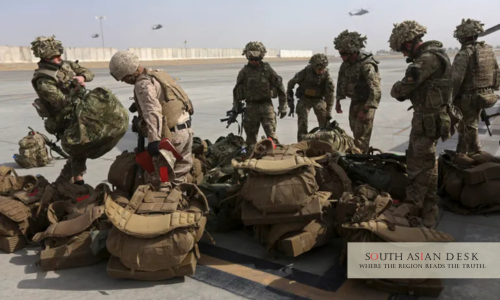
London, Monday, December 1, 2025, 4:35 PM – A public inquiry heard testimony that UK special forces chiefs covered up potential war crimes in Afghanistan from 2010 to 2013. Whistleblower N1466 alleged senior leaders suppressed evidence of unlawful killings despite knowing of suspicious patterns in SAS operations. The Independent Inquiry Relating to Afghanistan examines around 80 civilian deaths.
These revelations carry weight in South Asia where British military actions in Afghanistan left lasting scars on communities in Pakistan and beyond. Afghan families seek justice for lost lives while regional governments grapple with the fallout of unchecked interventions. The inquiry’s findings could prompt calls for reparations and accountability, influencing trust in international forces and shaping diplomatic ties in the subcontinent.
UK Special Forces Afghanistan War Crimes, Inquiry: Whistleblower Testimony
The Independent Inquiry Relating to Afghanistan released summaries of closed hearings on December 1, 2025. N1466, a former senior UK special forces officer, testified that leaders made a conscious decision to bury allegations. He first raised concerns in February 2011 after reviewing SAS reports from Afghanistan. Operations showed high death tolls with few weapons recovered, suggesting executions rather than combat.
N1466 described passing explosive evidence to military police in 2015. He heard soldiers boast about a policy to kill all fighting-age males, regardless of threat. “Those people who died unnecessarily from that point onwards, there were two toddlers shot in their bed next to their parents, all that would not necessarily have come to pass,” N1466 said in his statement to the inquiry.
The Ministry of Defence announced the statutory inquiry on December 15, 2022. It probes alleged unlawful activity during deliberate detention operations from mid-2010 to mid-2013. Chair Lord Justice Sir Charles Haddon-Cave leads the probe, drawing on his prior defence reviews. Terms of reference include assessing if concerns within UK Special Forces and the MOD were handled properly.
A MOD spokesperson stated on December 1, 2025: “The government is fully committed to supporting the independent inquiry relating to Afghanistan as it continues its work, and we are hugely grateful to all former and current defence employees who have so far given evidence.” This underscores official backing amid growing scrutiny.
SAS Cover-Up Afghanistan: Suppressed Evidence and Internal Reviews
Testimony points to a deliberate SAS cover-up Afghanistan. N1466 alleged the first director special forces, ciphered as N1801, knew of the issues by early 2011 but ordered a limited internal review. This focused on post-clearance searches, not the killings. “It seemed to me to be completely missing the point,” N1466 told the inquiry.
The second director, N1802, took over in 2012 and continued the suppression. N1466 said N1802 controlled information flow to limit damage outside headquarters. An Afghan partner confronted UK forces in one meeting, pistol in hand, accusing them of murdering locals. This incident highlighted tensions but led to no formal action.
The inquiry’s terms of reference demand review of concerns expressed to the MOD during 2010-2013. It examines if Royal Military Police investigations, like Operation Northmoor and Operation Cestro, were rigorous. Those probes referred soldiers to prosecutors but resulted in no charges. N1466 called the internal review a fake exercise to feign action.
Johnny Mercer, former veterans minister, responded to the testimony. “We’re not going to get there by selectively releasing bits of commentary that fit a certain narrative,” Mercer said. His words reflect debates on balancing accountability with veteran support.
UK Military Unlawful Killings in Afghanistan: Patterns and Incidents
UK military unlawful killings in Afghanistan form the inquiry’s core. Between 2010 and 2013, SAS units allegedly executed detainees and civilians. A BBC documentary in 2023 exposed one squadron killing 54 people in six months under suspicious conditions. Weapons recovered often mismatched death counts, per N1466.
Specific cases include a 2012 night raid in Nimruz province. Troops shot two parents in bed; their infant sons suffered serious wounds. Another operation killed nine Afghan men but yielded only three weapons. N1466 testified these formed a wider pattern of extra-judicial killings.
The inquiry assesses if these deaths were isolated or systemic. It reviews RMP adequacy in probing potential patterns. No prosecutions followed prior investigations, despite referrals. This gap fuels calls for transparency.
In South Asia, such UK military unlawful killings in Afghanistan echo in border regions. Pakistani officials have long cited civilian casualties as strains on bilateral ties. Afghan refugees in India and Bangladesh carry stories of loss, amplifying demands for regional forums to address legacies.
British Forces Executions Afghanistan: Broader Implications
British forces executions Afghanistan allegations extend beyond SAS. The inquiry covers three units across 2010-2013. N1466 said inaction allowed killings to persist two more years after 2011 alerts. “It’s not loyalty to your organisation to stand by and watch it go down a sewer,” he added.
A November 2, 2025, inquiry update delayed Phase 3B hearings due to new information. Gist materials from seven witnesses emerged in January 2025 under restriction orders. These protect identities but detail closed testimonies.
The MOD prioritises support for participants and affected parties. Defence Secretary John Healey wrote to personnel affirming government backing. Yet families of victims express frustration over evidence refusals by some soldiers.
British forces executions Afghanistan matter regionally as reminders of intervention costs. In Pakistan, where Taliban crossovers occurred, unresolved claims hinder counter-terrorism cooperation. Indian analysts view it through lenses of global accountability, urging stronger UN oversight.
Background: Launch and Scope of the Inquiry
The Independent Inquiry Relating to Afghanistan stems from 2022 MOD commitments. It followed the Hennessy Review on overseas operations. That report recommended a dedicated unit for serious allegations, now operational as the Defence Serious Crime Unit.
UK forces ended combat in Afghanistan by October 27, 2014. Operations Herrick saw deployments under NATO’s ISAF. Casualties included British troops, but focus now shifts to Afghan losses.
SIPRI data shows UK arms transfers, but this probe targets conduct. Prior inquiries, like Nimrod Review by Haddon-Cave, built his expertise.
What’s Next: Ongoing Probes and Accountability
Phase 3B hearings resume post-delay, with public sessions planned. The inquiry aims for a full report by 2027. Afghan families push for victim voices in open forums.
UK special forces Afghanistan war crimes, inquiry outcomes could spur policy shifts. Enhanced reporting protocols may prevent future lapses, fostering trust in South Asian partnerships.
Published in SouthAsianDesk, December 2nd, 2025
Follow SouthAsianDesk on X, Instagram, and Facebook for insights on business and current affairs from across South Asia.