ISLAMABAD: The United Nations launched its UN aid cuts 2026 plan on Monday, December 8, 2025, at 4:35 PM. It seeks $23 billion to aid 87 million people. This halves the 2025 request of $47 billion. Donor funding fell to $12 billion by November 2025, the lowest in a decade. Crises in Gaza, Sudan, and South Asia drive the needs. UN aid chief Tom Fletcher announced the appeal in Geneva.
These UN aid cuts 2026 force tough choices. They affect 240 million in need worldwide. South Asia faces sharp impacts. Pakistan and Afghanistan rely on aid for floods and malnutrition. The region hosts millions displaced by conflict and climate shocks. Reduced funds threaten health and food security for vulnerable groups.
UN Aid Cuts 2026: A Global Funding Squeeze
UN aid cuts 2026 stem from donor reductions. The US share dropped from over 33 per cent to 15.6 per cent in 2025. President Trump’s administration led the plunge. Other donors like Germany followed suit. Voluntary contributions fund UN operations. This left 2025 efforts at just 25 per cent funded.
The appeal prioritises life-saving aid. It covers wars, disasters, and epidemics. Tom Fletcher called it “laser-focused on saving lives where shocks hit hardest.” He added: “We are overstretched, underfunded, and under attack.” Aid workers face risks in conflict zones. The $23 billion targets immediate needs. A broader $33 billion plan aims for 135 million people. But shortfalls limit reach.
In 2025, humanitarians aided 25 million fewer people than in 2024. Famines worsened in Sudan and Gaza. Health systems collapsed in parts of Africa. South Asia saw similar strains. Pakistan’s 2025 floods displaced 8 million. Afghanistan battles returning migrants from Pakistan and Iran.
UN Humanitarian Appeal 2026: Priorities Amid Shortfalls
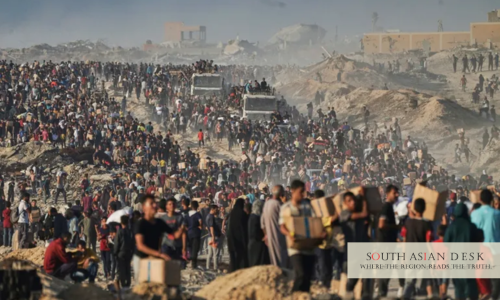
UN humanitarian appeal 2026 lists top crises. Gaza tops with a $4 billion request. It aids 2.3 million facing war devastation. Sudan follows for famine relief. Syria ranks third. These eat 40 per cent of funds. The rest splits across 50 countries.
South Asia gets smaller shares. But needs soar. Afghanistan requires $859 million less in 2026 versus 2023 levels. This equals 5 per cent of its gross national income. Pakistan loses key programmes. Over 36 USAID projects halted there. They covered food, health, and tuberculosis fights.
The UN Population Fund suspended US-backed services. This hits women and girls in crises. Regional director Pio Smith noted: “These provide a lifeline for women and girls in crises, including in South Asia.” Maternal deaths could rise by 1,200 in Afghanistan through 2028.
Climate shocks amplify the UN humanitarian appeal 2026 gaps. Pakistan eyes 4 per cent GDP growth in 2025. But floods erode gains. Afghanistan’s malnutrition affects 3 million children. Aid cuts close clinics. In Somalia, 150 health facilities shut. Similar fates loom in South Asia.
UN Funding Crisis South Asia: Local Fallout Deepens
UN funding crisis South Asia exposes vulnerabilities. Afghanistan’s aid shrank 33 per cent this year. The UN now aids 12.5 million, down from 16.8 million. Tom Fletcher visited Kabul in April 2025. He warned cuts “directly result in deaths.”
Pakistan absorbs shocks too. It received $500 million in US aid in 2023. Now, development halts. Emergency food continues under waivers. But education and health suffer. The American University of Afghanistan suspended classes. Midwifery programmes closed in Kabul. These were girls’ main higher education paths.
Global aid cuts impact Pakistan through refugee flows. Over 1 million Afghans returned in 2025. Pakistan hosts 1.4 million more. Resources stretch thin. The UN Assistance Mission in Afghanistan reports rising violence against women. Aid reductions close women-led groups.
In Bangladesh, 56 per cent of USAID programmes ended. Tajikistan lost 69 per cent. These ripple to South Asia’s borders. Trade and migration suffer. Pakistan’s economy targets stability. But UN funding crisis South Asia risks unrest.
Global Aid Cuts Impact Pakistan: Health and Food at Risk
Global aid cuts impact Pakistan beyond borders. The country fights tuberculosis with UN help. Pandemic programmes pause. Flood recovery stalls. In 2022, floods killed 1,700 and cost $30 billion. 2025 repeats bring new waves. Afghanistan’s cuts worsen cross-border issues. Taliban-Pakistan clashes escalated in November 2025. Tehrik-e-Taliban Pakistan ended its ceasefire. This displaces more. UNAMA warns of regional destabilisation.
In Pakistan, 9 million lost UNFPA services. These included reproductive health. Pio Smith highlighted the void. “Suspended services funded by US grants.” This leaves gaps in maternal care.
The Center for Global Development projects losses. Afghanistan tops South Asia at $859 million down. Pakistan follows in scale. Nominal cuts hit hard. Per capita aid drops. South Sudan’s aid per person fell from $110 to $68. Pakistan trends similar.
UN Secretary-General António Guterres urged funding. In past appeals, he said: “Chronic underfunding stretches the system to breaking.” 2025 saw 305 million in need. Up 30 per cent from 2024.
Background
UN appeals evolved with crises. The 2025 plan sought $47 billion for 181 million. Funding hit 20 per cent midway. Revisions followed US pauses in January 2025. Trump’s executive order froze aid for review. Waivers spared some food aid. But development ended.
South Asia’s history ties to aid. Pakistan joined UN efforts in 1950. Afghanistan relied post-2001. Shared floods and quakes built ties. 2025 saw cholera outbreaks in Congo. Similar risks hit Pakistan’s Indus basin. Donor shifts marked 2025. US aid to South Asia dropped 50 per cent by August. Earthquakes in Afghanistan tested responses. Save the Children noted weaker aid than in 2023 expulsions.
What’s Next
Donors meet soon. UN pushes for backing. Member states face calls in New York. South Asia seeks carve-outs. Pakistan plans bilateral pleas to Gulf states. Afghanistan eyes UNAMA extension to March 2026. The UN aid cuts 2026 end leaves 153 million without aid. Recovery hinges on pledges. South Asia braces for leaner support.
Published in SouthAsianDesk, December 8th, 2025
Follow SouthAsianDesk on X, Instagram, and Facebook for insights on business and current affairs from across South Asia.