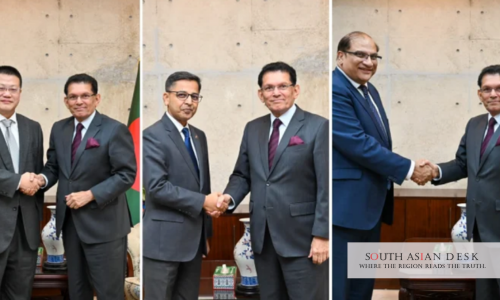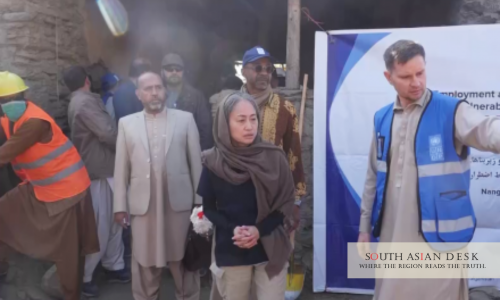
UNDP Nangarhar winter aid visit 2025 unfolded on Friday, November 21, when Deputy Resident Representative Ritsu Nacken visited earthquake-affected districts in eastern Afghanistan. The tour focused on assessing needs for Nangarhar earthquake survivors aid UNDP amid the approaching winter. Accompanied by UNAMA officials, Nacken met displaced families in Dara-e-Noor and Surkhrud districts. She promised expanded assistance through the REVIVE project, targeting shelter and livelihoods. The visit addressed the October 6.0-magnitude quake that killed 120 people and displaced 35,000 across Nangarhar, Kunar, and Laghman provinces.
UNDP Official Promises Afghanistan Winter Assistance in Quake Zones
UNDP official promises Afghanistan winter assistance took centre stage during the visit. Nacken inspected damaged homes and temporary camps housing 15,000 IDPs in Nangarhar alone. She announced $10 million in fresh funding for the UN’s $139 million winterisation appeal, with 40% allocated to eastern provinces. “Winter poses an immediate threat to vulnerable communities,” Nacken stated in a press briefing. “UNDP commits to scaling up cash-for-work programmes to rebuild quake-resistant shelters before snow blocks mountain passes.”
The pledge builds on UNDP’s post-quake response. Since the August 31 aftershock series, teams distributed 5,000 winter kits including blankets, heaters, and thermal clothing. A UNDP press release detailed partnerships with local NGOs for cash grants averaging $200 per family. In Dara-e-Noor, Nacken witnessed distribution to 500 households, emphasising women’s inclusion in recovery roles despite restrictions. Data from the agency’s area-based approach shows 63% of returnees in Nangarhar rate housing as poor, with unemployment at 70% among quake victims.
UNAMA’s humanitarian coordinator echoed the urgency. “The perfect socio-economic storm of floods, droughts, and returns strains resources,” the coordinator noted. Over 3 million Afghans repatriated since 2023, per UNDP figures, overwhelming Nangarhar’s infrastructure. The visit included site assessments for flood protection walls, a $2 million initiative to prevent secondary disasters.
Nangarhar Earthquake Survivors Aid UNDP: Focus on Livelihood Restoration
Nangarhar earthquake survivors aid UNDP prioritised early recovery during the tour. Nacken engaged with 200 families in Surkhrud, where 80% of homes sustained partial damage. Survivors shared stories of lost livestock and crops, vital for winter sustenance. UNDP’s REVIVE project, launched post-quake, employs 1,200 locals in debris clearance and reconstruction, paying $5 daily wages. “This aid restores dignity and builds resilience,” Nacken said. The programme targets 10,000 beneficiaries by March 2026, focusing on women-headed households.
Agency data reveals stark needs. The 6.0-magnitude event destroyed 4,500 structures and injured 300 people. Aftershocks hampered access, delaying initial relief. UNDP’s rapid assessments identified 20,000 at risk of hypothermia without intervention. In partnership with the Global Fund, $3.2 million supports health services, including malaria nets for 50,000 in high-risk areas like Nangarhar. Nacken inspected a mobile clinic treating quake-related injuries and winter illnesses.
Local elders praised the effort. One survivor recounted: “The UN kits saved my children from the cold last year.” Yet challenges persist. Road blockages from landslides limit truck deliveries, forcing air drops costing 30% more. UNDP advocates for $50 million in donor commitments to bridge gaps in the winter crisis.
UN Continued Support Nangarhar Winter Crisis: Multi-Agency Coordination
UN continued support Nangarhar winter crisis demands layered responses, as highlighted in the visit. Nacken met de facto provincial officials to align aid with community priorities. Discussions covered the area’s 1.7 million IDPs nationwide, with Nangarhar hosting 200,000. “Durable solutions start from the ground up,” a UNDP statement quoted Nacken. The agency employs an area-based model, visiting villages to co-design projects like community training on disaster preparedness.
Investments yield returns. Each dollar in risk reduction saves four in future aid, per UNDP estimates. In Nangarhar, $1.5 million rebuilt 300 irrigation canals, boosting agricultural output by 25%. The visit flagged ongoing issues: 40% of returnees face food insecurity, exacerbated by economic contraction. UNAMA reports $20 million disbursed since September, but funding covers only 60% of needs.
Coordination with civil society proved key. UNDP channels grants to 50 NGOs for cash assistance, reaching remote hamlets. Nacken stressed lifting barriers on women’s work to accelerate recovery, aligning with a November 12 report urging investments in return areas.
Aid Flows Shape South Asian Stability Amid Shared Crises
UNDP Nangarhar winter aid visit 2025 underscores humanitarian interdependence in South Asia. Afghanistan’s quakes and returns mirror Pakistan’s flood displacements and India’s border tensions, straining regional resources. Over $500 million in cross-border aid from Pakistan supports Afghan refugees, per UNHCR data. Economic shocks ripple, hiking food prices 15% in border markets. Sustained UN efforts prevent mass migrations, bolstering stability for 2.7 billion residents. Without them, winter crises could overwhelm neighbours, inflating refugee flows and security risks.
Background: Nangarhar’s Cascade of Crises Since 2025 Quake
Nangarhar grapples with layered disasters. The August 31, 6.0-magnitude quake struck mountain villages, triggering landslides that buried 50 homes. Centred near Dara-e-Noor, it followed a 5.8 precursor, killing 120 and displacing 35,000. Flash floods in September washed out bridges, while droughts halved crop yields. Returnees, 500,000 to the province since 2023, compete for scarce jobs.
UNDP’s response evolved from emergency kits to resilience building. Initial $5 million funded tents for 10,000 families. By October, focus shifted to livelihoods, training 800 in quake-proof construction. Historical data shows Nangarhar’s vulnerability: 2015 quakes killed 400, exposing weak infrastructure. The province’s 1.5 million residents, 40% rural, rely on agriculture hit by climate shocks.
De facto authorities restrict aid access, but UN negotiations secured 80% coverage. A 2024 UNDP survey found 75% of IDPs need psychosocial support, with child malnutrition at 20%.
What’s Next in UNDP Nangarhar Winter Aid
UNDP plans 20 more assessment trips by December, targeting 50 villages. Donor conferences in Geneva seek $100 million for 2026 recovery. REVIVE expands to 5,000 jobs, with monitoring via satellite for remote sites. Nacken pledged quarterly reviews to adapt to aftershocks. UN continued support Nangarhar winter crisis hinges on swift funding to avert famine.
UNDP Nangarhar winter aid visit 2025 marks a vital step, yet full recovery demands global resolve against compounding threats.
Published in SouthAsianDesk, November 23rd, 2025
Follow SouthAsianDesk on X, Instagram, and Facebook for insights on business and current affairs from across South Asia.