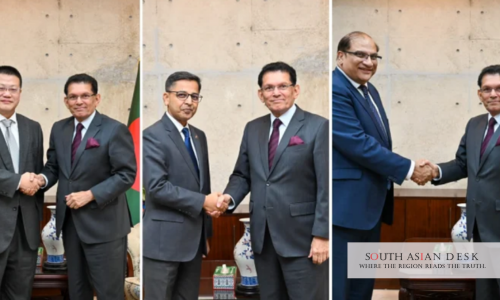
United Nations Development Programme-UNDP officials visit Afghanistan to hold key meetings with Taliban authorities in Kabul. Led by Resident Representative Stephen Rodriques, the team focused on economic recovery efforts and aid for returning Afghans. The visit, addressed surging returnees and Taliban-imposed women’s restrictions. It aimed to bolster UNDP Afghanistan returnees aid mission amid humanitarian strains. How these discussions unfold could shape regional stability.
This engagement matters across South Asia. Afghanistan’s influx of over 3 million returnees since 2023 pressures neighbouring Pakistan and Iran, risking cross-border tensions and economic spillovers. Sustained aid prevents wider instability, safeguarding trade routes and migration flows vital to the subcontinent’s 1.9 billion people.
UNDP Afghanistan Returnees Aid Mission Gains Momentum
The UNDP officials’ visit prioritised support for Afghan returnees. Data shows more than 3 million displaced Afghans returned home since September 2023, with the UN Refugee Agency noting over 2 million arrivals in the past year alone. This UNDP Afghanistan returnees aid mission targets reintegration challenges, including shelter and livelihoods.
In Kabul, officials reviewed ongoing projects. UNDP has delivered cash-for-work programmes to thousands of families, focusing on eastern provinces hit by recent displacements. “Returnees face acute needs in food security and employment,” Rodriques stated during the visit, urging scaled-up funding. Partners like the European Union and Japan back these initiatives, reaching 6 million Afghans overall.
Numbers highlight the scale. By mid-2025, UNDP supported 800,000 returnees with emergency kits and skills training. Yet, a recent assessment warns of a “perfect storm” from returns and natural disasters, like the August 31 earthquake in Nangarhar that displaced thousands more.
Challenges in Reintegration Efforts
Returning families grapple with limited services. In Nangarhar and Kunar, post-earthquake needs exceed capacity, with 1 million people requiring urgent aid before winter. UNDP’s mission includes building resilient infrastructure, such as irrigation canals benefiting 664,000 households and irrigating 265,200 hectares.
Local voices underscore urgency. Farmer Abdul Latif from Shamir-e-Bala said, “We used to dig with our hands. Now water reaches every corner of our fields… we feel more secure against drought.” Such projects, part of the ABADEI programme, protect 112,120 hectares from floods.
The visit aligned with a US$139.6 million emergency plan launched in September, targeting earthquake and returnee responses. Officials pledged to expand these, but funding gaps persist at 40%.
Taliban Women’s Restrictions Complicate UNDP Visit
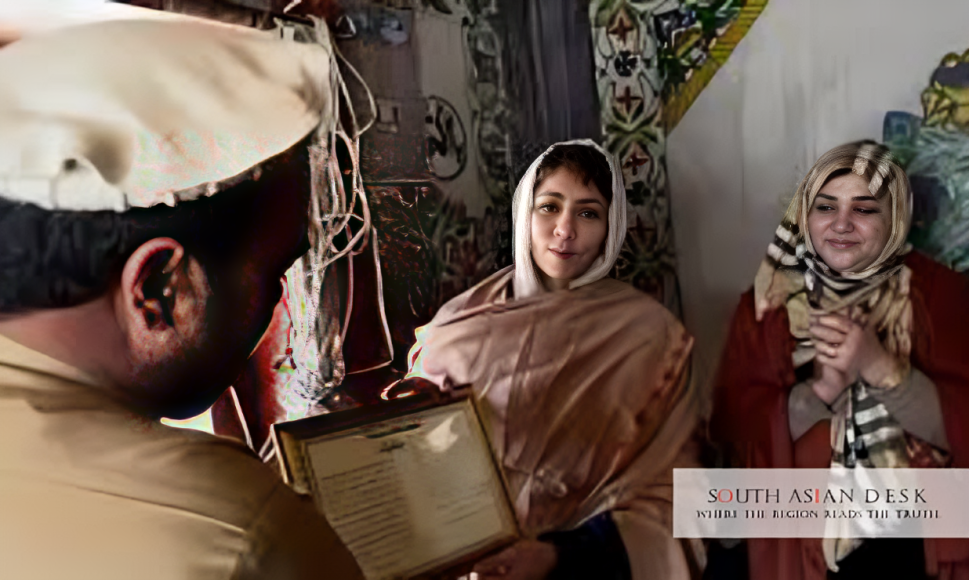
Taliban women’s restrictions emerged as a core concern during the UNDP visit. Bans on female employment in NGOs and education continue to hinder aid delivery, affecting 1.1 million girls out of school. Rodriques raised these in talks, stressing compliance with humanitarian principles.
Despite curbs, UNDP channels aid through male-led teams where needed. The visit highlighted impacts: women’s exclusion slows economic recovery, with female labour participation dropping to 5%. “Lifting restrictions on women’s work is essential for sustainable progress,” a UNDP statement noted post-meeting.
Aid Delivery Amid Constraints
UN reports detail threats to female staff, including death warnings, complicating operations. Yet, UNDP persists, training over 1,100 financial sector staff on inclusive practices from 2024-2025. This supports women entrepreneurs indirectly.
In Bamyan and Herat, past visits showed women-led radio groups and networks thriving under UNDP backing. The current trip echoed calls for reversal of bans to enable direct female involvement.
UNDP Kabul Meeting Focuses on Economic Recovery
The UNDP Kabul meeting on economic recovery dominated day-long discussions. Officials reviewed private sector growth, with UNDP granting loans to 3,623 businesses totalling USD 7.75 million by May 2025, sustaining 8,790 jobs. Of these, 981 went to women-owned enterprises.
Since 2021, UNDP aided 79,802 micro, small, and medium enterprises (MSMEs), 98% women-led, creating over 400,000 jobs. Solar installations powered 306 businesses, boosting resilience.
Trade promotion stood out. UNDP sponsored 340 Afghan firms mostly women-run to trade fairs, expanding markets and exports. “These efforts drive production and client networks,” Rodriques remarked.
Infrastructure and Livelihood Boosts
Water projects featured prominently. Under ABADEI, 1,154 structures improved access for 664,000 households. In Jalalabad, new canals support 200 jeribs of farmland.
Health infrastructure advanced too. A 100 kW solar system at Ibn-e-Sina Hospital ensures 24/7 operations. “This will help save lives,” Rodriques said at inauguration.
Data analytics guide strategies, with UNDP producing insights on sector growth. Partners committed USD 250 million from 2022-2024, impacting 33 provinces.
The meeting concluded with pledges for private sector engagement, vital amid 97% poverty rates.
Background for This UNDP Officials Visit Afghanistan
Afghanistan’s crisis deepened post-2021 Taliban takeover. GDP shrank 27% initially, with 24 million needing aid yearly. UNDP’s stay-and-deliver approach lifted 40 million from poverty fringes through targeted interventions. Returnees exacerbate strains, with 4.5 million abroad eyeing homecoming despite unfit conditions.
Women’s restrictions, including NGO work bans, drew global condemnation. UN delegations, like January 2023’s, pressed for reversals in Kandahar. Economic talks build on Brussels meetings, emphasising dignity and resilience.
What’s Next
Follow-up missions target eastern recovery post-earthquake. UNDP eyes USD 500 million more for returnees and women-led MSMEs. Regional donors convene in Doha next month.
The UNDP officials’ visit to Afghanistan marks a pivotal step toward inclusive recovery, blending aid with advocacy for lasting change.
Published in SouthAsianDesk, November 23rd, 2025
Follow SouthAsianDesk on X, Instagram, and Facebook for insights on business and current affairs from across South Asia.