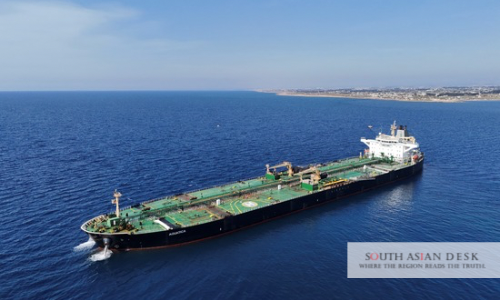
Can tariffs on China and India force Russia to end the Ukraine war? On Friday, September 12, 2025, the US urged to impose G7 EU tariffs on China and India for purchasing Russian oil, aiming to cut funding for Russia’s war in Ukraine. The call came during a G7 finance ministers’ meeting, raising tensions in global trade dynamics.
Why It Matters in South Asia
The US push for US G7 EU tariffs on China and India over Russian oil directly impacts South Asia, particularly India, which faces a 50% punitive tariff on its goods. This could strain US-India trade ties, disrupt regional energy markets, and affect India’s economic growth, given its reliance on discounted Russian crude.
US Intensifies Pressure on Russian Oil Buyers
On Friday, September 12, 2025, the US Treasury urged G7 and EU partners to impose “meaningful tariffs” on goods from China and India over their continued purchases of Russian oil, which Washington claims are financing Moscow’s war in Ukraine. While the Treasury confirmed the call for tariffs, it did not disclose specific figures. However, according to a Financial Times report citing a draft proposal circulated ahead of the G7 meeting, the US has suggested secondary tariffs in the range of 50–100 percent on Chinese and Indian goods. These figures, though widely reported, have not been officially confirmed by the US Treasury or the White House, and remain based on leaks from sources familiar with the discussions.
During a virtual G7 finance ministers’ meeting chaired by Canadian Finance Minister Francois-Philippe Champagne, discussions focused on economic measures to pressure Russia. The ministers agreed to expedite talks on using frozen Russian assets to fund Ukraine’s defence while exploring further sanctions and trade measures, including US G7 EU tariffs on China and India over Russian oil.
US Treasury Secretary Scott Bessent and Trade Representative Jamieson Greer emphasized a unified approach, stating, “Only with a unified effort that cuts off the revenues funding Putin’s war machine at the source will we be able to apply sufficient economic pressure to end the senseless killing.” The US has already imposed a 25% additional tariff on Indian imports, bringing total duties to 50%, souring trade negotiations with New Delhi.
India Faces Trade Strain, China Spared for Now
While India faces a 50 percent tariff on its goods from the U.S., similar additional tariffs have not been imposed on China due to an ongoing trade truce between the two countries. U.S. Treasury Secretary Scott Bessent is set to meet Chinese Vice Premier He Lifeng in Madrid from September 14-17, 2025, to discuss trade, TikTok’s U.S. operations, and anti-money laundering issues, signaling cautious diplomacy. Both sides have agreed to extend a 90-day tariff pause, currently valid until November 10, to avoid escalation.
India’s purchase of discounted Russian crude has been a point of contention, with the US arguing it sustains Russia’s war efforts. The 50% tariff has strained US-India relations, complicating ongoing trade talks. According to India’s Ministry of External Affairs, the tariffs are “unfair, unjustified, and unreasonable,” highlighting potential economic fallout in South Asia.
EU Hesitates on Tariffs, Prefers Sanctions
The EU, a key G7 partner, remains hesitant to adopt US G7 EU tariffs on China and India over Russian oil. European Commission President Ursula von der Leyen has called tariffs “taxes” on domestic consumers, favoring direct sanctions on Russia instead. The EU is finalizing its 19th sanctions package since Russia’s 2022 invasion of Ukraine, and the UK recently sanctioned 100 Russian oil tankers, companies, and individuals.
India and the European Union are accelerating negotiations for a Free Trade Agreement, with both sides working to finalize the deal by the end of 2025. Talks have reached an advanced stage, though sticking points remain around agriculture, dairy, non-tariff barriers, and market access. The EU has emphasized duty cuts on items like vehicles, wine, medical devices, and India is pressing for greater access for textiles, pharmaceuticals, steel, and petroleum products.
Trump’s Stance and Regional Implications
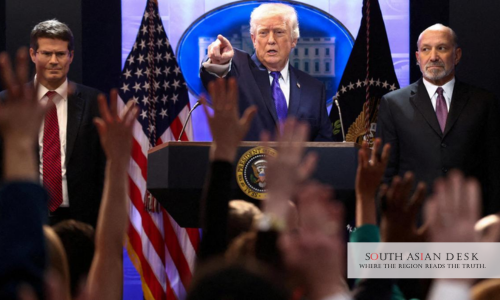
US President Donald Trump, in a Fox News interview on Friday, September 12, 2025, expressed frustration with Russian President Vladimir Putin’s refusal to end the Ukraine war, stating, “We’re going to have to come down very, very strong.” While hinting at bank and oil sanctions, Trump stopped short of new measures against Russia, emphasizing the need for European cooperation.
For South Asia, the US G7 EU tariffs on China and India over Russian oil could disrupt energy supplies and inflate costs, as India relies heavily on Russian crude. This may force India to diversify its energy sources, impacting its economy and regional trade dynamics. China’s continued purchases, shielded by the US-China trade truce, could further complicate global energy markets.
Background
Since Russia’s invasion of Ukraine in February 2022, Western nations have imposed sanctions to isolate Moscow economically. China and India have increased purchases of discounted Russian oil, filling the gap left by reduced European demand. The US, under Trump’s “Peace and Prosperity Administration,” views these purchases as enabling Russia’s war, prompting tariff proposals to pressure Moscow into peace talks.
What’s Next
The G7 and EU will continue discussions on US G7 EU tariffs on China and India over Russian oil, alongside sanctions and the use of frozen Russian assets. Bessent’s Madrid talks with China may clarify the US stance on Chinese imports. For South Asia, the outcome could reshape trade and energy strategies, with India facing the most immediate economic pressure.
Published in SouthAsianDesk, September 13th, 2025
Follow SouthAsianDesk on X, Instagram, and Facebook for insights on business and current affairs from across South Asia.