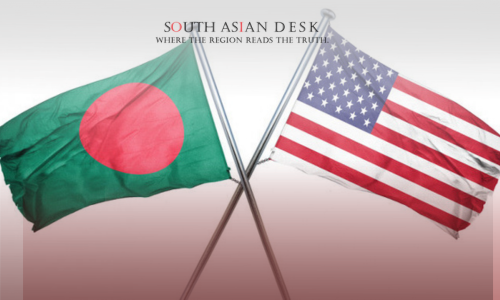
Bangladesh’s economy faces new hurdles as the United States introduces a 35% tariff on its exports, effective August 1, 2025, alongside a demand for 40% local value addition for goods labeled “Made in Bangladesh.” The tariff, which adds to an existing 16% duty, threatens the country’s $8.4 billion export market, particularly the ready-made garment (RMG) sector, which accounts for 80% of Bangladesh’s export earnings. The US, a key destination for Bangladeshi apparel, imported $7.6 billion in garments in 2023–24, making the sector vulnerable to these trade restrictions.
The 40% value addition requirement, which counts only domestic inputs and labor costs, poses a significant challenge for the woven garment industry, heavily reliant on imported fabrics, particularly from China. Industry leaders warn that meeting this threshold is nearly impossible without major shifts in production, potentially leading to a 25–30% drop in exports. Some US buyers have already paused orders, with companies like Walmart holding back due to the looming tariff.
Bangladesh’s government is engaging in talks with US authorities, proposing increased imports of American cotton to narrow the trade gap. However, unresolved issues from recent negotiations suggest challenges ahead. The tariff, combined with the value addition rule, could raise costs for US importers, prompting some to seek alternatives like Vietnam, which faces a lower 20% tariff. To mitigate the impact, Bangladesh is exploring market diversification and infrastructure improvements, but the immediate outlook remains uncertain for the RMG sector and its millions of workers.
Published in SouthAsianDesk, July 13th, 2025
Follow SouthAsianDesk on X, Instagram and Facebook for insights on business and current affairs from across South Asia.