India’s Chief Economic Adviser warns that 50% US tariffs on India could slash GDP growth by 0.5–0.6%, threatening exports and jobs in key sectors.
Why It Matters in South Asia
The US tariffs on India economic effects pose a significant challenge to India, a key economic driver in South Asia. As the region’s largest economy, India’s slowdown could ripple across neighbouring countries, affecting trade, investment, and regional stability. With the US being India’s largest export market, the tariffs threaten sectors like textiles and jewellery, critical for millions of livelihoods.
Economic Impact of US Tariffs on India
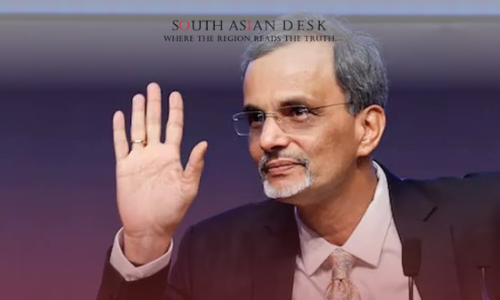
On Monday, September 8, 2025, India’s Chief Economic Adviser V. Anantha Nageswaran stated in a Bloomberg TV interview that the US tariffs on India economic effects could reduce India’s GDP by 0.5–0.6% this fiscal year, ending March 2026. The tariffs, effective from August 27, 2025, doubled from an initial 25% levy imposed earlier in August, targeting India’s purchases of Russian oil. The US claims these imports indirectly fund Russia’s war in Ukraine, a charge India rejects as unfair.
The US-India two-way goods trade reached USD 129 billion in 2024, with a USD 45.8 billion US trade deficit, according to US Census Bureau data. Exporter groups estimate that 55% of India’s USD 87 billion merchandise exports to the US, including textiles, gems, jewellery, leather, and chemicals, are at risk. Competitors like Vietnam and Bangladesh, facing lower tariffs, could gain market share, further straining India’s export-driven industries.
India’s Response to the Tariff Hike
Finance Minister Nirmala Sitharaman, on Monday, September 1, 2025, affirmed that India, the world’s third-largest oil importer, will continue purchasing Russian oil for economic reasons. According to the Ministry of Finance, “India’s energy security remains a priority, and we will source oil from markets that offer the best value.” To counter the economic effects of US 50% tariffs on India, the government is implementing reforms to boost domestic consumption. These include proposed changes to the goods and services tax (GST) to lower costs for insurance, cars, and appliances ahead of Diwali in October 2025.
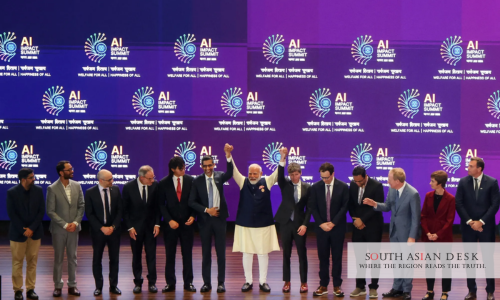
Prime Minister Narendra Modi, speaking at a rally in Gujarat on Monday, August 25, 2025, urged citizens to embrace “Swadeshi” (Made in India) products.
According to the Prime Minister’s Office, “India will withstand external pressures by strengthening local markets and supporting small businesses.” The Trade Ministry is also exploring export diversification to Latin America, Africa, and Southeast Asia, alongside expediting trade negotiations with the European Union.
Sectoral Fallout and Job Risks
The US 50% tariffs on India economic effects are expected to hit labour-intensive sectors hardest. The Global Trade Research Initiative (GTRI) estimates that exports in textiles, gems, jewellery, shrimp, and carpets could plummet by 70%, dropping from USD 60.2 billion to USD 18.6 billion. This could endanger millions of jobs, particularly in states like Tamil Nadu and West Bengal, where export-driven industries thrive. Unemployment, already at 5.6% nationally and 7.1% in urban areas in June 2025, may rise further.
Economist Teresa John from Nirmal Bank told Reuters, “We estimate a negative impact of about USD 36 billion, or 0.9% of GDP.” The tariffs, combined with weak urban demand and slow private investment, could drag India’s GDP growth from 7.8% in April–June 2025 to 6.7% for the fiscal year, according to a Reuters poll.
Background: US-India Trade Tensions
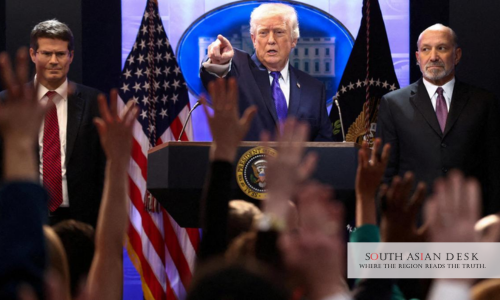
The US 50% tariffs on India economic effects stem from geopolitical tensions over India’s Russian oil imports, which rose from 1% pre-Ukraine war to 37% in 2025. The US, under President Donald Trump, imposed the tariffs to pressure India to halt these purchases. India, however, argues that its energy security and economic needs justify the imports, accusing the West of double standards as Europe and China also buy Russian oil.
Five rounds of US-India trade talks have failed to secure a deal, with India resisting US demands to open its agriculture and dairy sectors. India maintains these areas are sensitive and non-negotiable, stating that opening them would harm the livelihoods of millions of poor farmers. The US, meanwhile, has imposed up to 50 percent tariffs on Indian goods, citing India’s protective measures as a continued barrier to deeper trade ties. The talks remain unresolved with both sides holding firm on their red lines.
India’s Economic Resilience
Despite the economic effects of US 50% tariffs on India, Nageswaran remains optimistic, citing the strong 7.8% GDP growth in April–June 2025. The government’s focus on boosting domestic consumption, supported by tax cuts and salary hikes for 5 million government employees and 6.8 million pensioners starting in 2026, aims to cushion the blow. A recent sovereign rating upgrade by S&P Global on Monday, August 11, 2025, could also lower borrowing costs and attract foreign investment.
What’s Next for India’s Economy?
India faces a critical juncture as the US 50% tariffs on India economic effects threaten its export-driven growth. The government’s push for self-reliance and trade diversification may mitigate some losses, but prolonged tariffs could reshape India’s economic strategy, prioritising domestic markets and new global partnerships.
Published in SouthAsianDesk, September 8th, 2025
Follow SouthAsianDesk on X, Instagram, and Facebook for insights on business and current affairs from across South Asia.