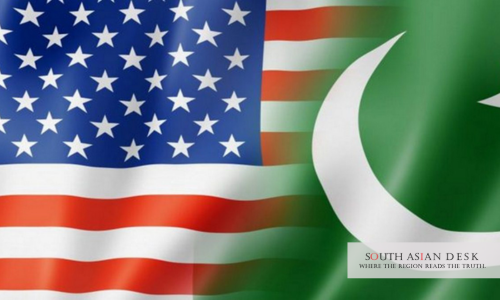
Islamabad, 17 January 2026 – The US Department of State has suspended immigrant visa issuance to applicants from Pakistan and 74 other selected countries starting January 21, 2026. This US visa pause Pakistan forms part of a broader policy review to strengthen screening processes and ensure immigrants do not become a public charge on US resources.
The measure affects family-based, employment-based, and diversity immigrant visas for thousands of Pakistani nationals. It underscores tightening US immigration controls impacting South Asian migration pathways.
US Visa Pause Pakistan Details from Embassy and State Department
The US Embassy in Islamabad confirmed the policy on January 16, 2026. “Effective January 21, the Department of State is pausing issuance to all immigrant visa applicants from selected countries, including Pakistan,” the embassy stated on X. Secretary of State Marco Rubio instituted this pause until new immigrants are vetted to the maximum degree to ensure eligibility for a US visa, including that they will not use public assistance.
The Trump administration focuses on protecting Americans by upholding the highest standards of screening and vetting. The State Department spokesperson Tommy Pigott highlighted the long-standing authority to deem ineligible those who would exploit US generosity through public charge risks.
This immigrant visa suspension applies only to immigrant visas. Non-immigrant categories such as tourist, student, business, and skilled worker visas continue without interruption.
The full list of affected countries, as detailed on travel.state.gov, includes Afghanistan, Albania, Algeria, Antigua and Barbuda, Armenia, Azerbaijan, Bahamas, Bangladesh, Barbados, Belarus, Belize, Bhutan, Bosnia and Herzegovina, Brazil, Burma, Cambodia, Cameroon, Cape Verde, Colombia, Cote d’Ivoire, Cuba, Democratic Republic of the Congo, Dominica, Egypt, Eritrea, Ethiopia, Fiji, The Gambia, Georgia, Ghana, Grenada, Guatemala, Guinea, Haiti, Iran, Iraq, Jamaica, Jordan, Kazakhstan, Kosovo, Kuwait, Kyrgyz Republic, Laos, Lebanon, Liberia, Libya, Moldova, Mongolia, Montenegro, Morocco, Nepal, Nicaragua, Nigeria, North Macedonia, Pakistan, Republic of the Congo, Russia, Rwanda, Saint Kitts and Nevis, Saint Lucia, Saint Vincent and the Grenadines, Senegal, Sierra Leone, Somalia, South Sudan, Sudan, Syria, Tanzania, Thailand, Togo, Tunisia, Uganda, Uruguay, Uzbekistan, and Yemen.
Applicants from these nations may submit applications and attend scheduled interviews, but no immigrant visas will be issued during the pause.
Reasons Behind the Immigrant Visa Suspension
The US visa pause Pakistan stems from concerns over high rates of public benefits usage among immigrants from certain nationalities. The Department of State is conducting a full review of policies, regulations, and guidance to prevent welfare reliance.
This builds on prior directives from November 2025 emphasising financial self-sufficiency. The policy reassesses the public charge provision in US immigration law.
No end date has been announced for the suspension. The review’s outcome will determine resumption conditions, potentially with enhanced eligibility criteria.
Pakistan’s Response to US Visa Pause Pakistan
Pakistan’s Foreign Office is closely monitoring the situation. Spokesperson Tahir Hussain Andrabi stated on January 15, 2026, that Islamabad remains in contact with US authorities to ascertain details.
“We understand that this is an internal ongoing process of review of US immigration policies and system, and hope that the routine processing of immigrant visas will resume soon,” Andrabi said.
The Foreign Office describes the US visa pause Pakistan as a temporary measure tied to US internal review.
This Pakistan visa freeze could delay family reunifications, skilled migration, and diversity visa opportunities for Pakistanis.
Background
The current immigrant visa suspension aligns with the Trump administration’s immigration priorities. It follows expanded scrutiny under the public charge rule and builds on previous proclamations restricting entry for security or safety reasons.
In South Asia, the policy affects Pakistan alongside Bangladesh and Nepal, potentially impacting remittances and professional exchanges. Pakistani communities in the US contribute significantly through skilled labour and family ties.
The pause covers 75 countries across multiple regions, marking a broad administrative action.
What’s Next
Diplomatic discussions between Pakistan and the US may intensify to seek clarity and early resumption. Affected applicants should check official US Embassy Islamabad and travel.state.gov channels for updates.
The duration depends on the review’s progress. Success could lead to stricter but resumed processing.
In conclusion, the US visa pause Pakistan highlights evolving immigration vetting standards, with expectations for resolution through ongoing review and dialogue.
Published in SouthAsianDesk, January 17th, 2026
Follow SouthAsianDesk on X, Instagram and Facebook for insights on business and current affairs from across South Asia.