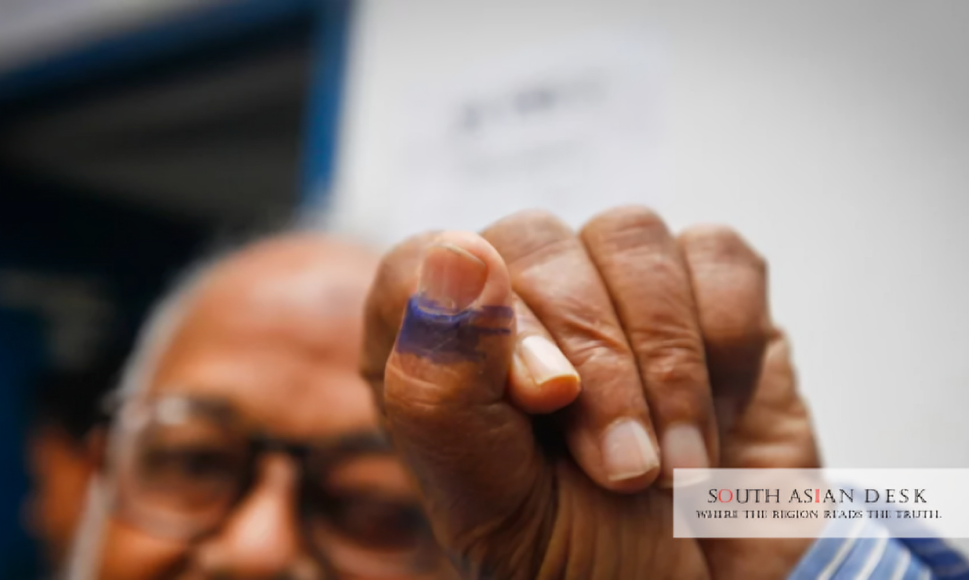
A legal notice has been served on Bangladesh’s election authorities demanding urgent steps to secure voting rights for three million people with disabilities ahead of national polls. Issued on Tuesday, it highlights constitutional duties and past exclusion, with a five-day deadline for action or a High Court petition.
This development underscores the push for inclusive democracy in Bangladesh, a key South Asian nation where electoral participation shapes regional stability and human rights standards. Ensuring access for marginalised groups like the disabled strengthens governance and aligns with international commitments, potentially influencing reforms across the subcontinent.
The Legal Notice on Election Accessibility
A legal notice has targeted Bangladesh’s chief election commissioner, the Election Commission secretary, and secretaries of the Local Government Division, Ministry of Public Administration, and Ministry of Social Welfare. Sent via email on Tuesday, it comes from Supreme Court lawyer Barrister Mohammad Humayun Kabir Pallab, representing the human rights organisation Law & Life Foundation Trust alongside lawyers Naeem Sardar and Shah Sarwar Salf Shaon.
The document stresses the state’s constitutional responsibility to guarantee participation for people with disabilities in elections. It points to inaction by authorities as the reason an estimated three million voters with disabilities face deprivation of meaningful involvement.
Media reports cited in the notice reveal stark disparities. In the 2018 national polls, only 10% of disabled voters cast ballots, leaving 90% unable to participate. This exclusion, the notice argues, weakens democratic processes and silences millions in governance. The core issue revolves around legal notice election accessibility. Despite guarantees under Article 118 of the constitution and the Representation of the People Order 1973, administrative failures have rendered participation uncertain for disabled voters.
Authorities have overlooked national daily reports urging action, the notice claims. It demands immediate intervention to uphold these rights.
Demands for Braille Voting Facilities in Bangladesh
Among the specific calls is the implementation of Braille voting facilities Bangladesh-wide for visually impaired voters. This measure aims to enable independent voting, addressing a gap that has persisted despite legal frameworks.
The notice outlines broader reforms to enhance voting rights for people with disabilities in Bangladesh. It seeks exemption for disabled candidates from submitting security deposits with nomination papers in both national and local government elections. Such a step would lower barriers to candidacy, fostering greater representation.
Another key demand involves reserved seats for disabled candidates. Proponents argue this would ensure proportional inclusion at national and local levels, reflecting the community’s size and needs. These proposals stem directly from the notice’s review of past elections. The 10% participation rate in 2018 serves as a benchmark, highlighting systemic issues in polling stations and procedures. The visually impaired and physically disabled form the focus, with three million affected nationwide. The notice frames their exclusion as a breach of democratic equity.
Constitutional and Legal Foundations
Article 118 mandates the state’s role in free and fair elections, implicitly covering accessibility. The Representation of the People Order 1973 reinforces this by outlining voter qualifications without adequate disability provisions. The notice integrates these elements to build its case. It notes that while laws exist, enforcement lags, leading to the current crisis. Barrister Pallab’s involvement adds weight, given his Supreme Court standing. The Law & Life Foundation Trust, as the lead organisation, positions this as public interest advocacy.
Lawyers Naeem Sardar and Shah Sarwar Salf Shaon co-sign, amplifying the legal push. The five-day response window underscores urgency. Non-compliance triggers a writ petition in the High Court, potentially setting precedents for future polls.
Historical Context of Disabled Voter Participation
The 2018 elections provide the most recent data point. Only one in ten disabled individuals voted, per cited media. This figure translates to widespread disenfranchisement among three million eligible voters. Reasons include inaccessible polling sites, lack of assistive tools, and procedural hurdles. The notice does not detail every instance but generalises from reports.
Such patterns risk repeating in upcoming national elections, the document warns. Without reforms, the 90% exclusion rate persists. The push for legal notice election accessibility gains traction amid broader human rights dialogues in Bangladesh. It aligns with global standards, though the notice stays grounded in local laws.
Implications for National Elections
Reforms like reserved seats for disabled candidates could reshape candidate slates. Exempting security deposits would encourage more entries from this group. Braille voting facilities Bangladesh implementation requires logistical planning, from template design to staff training. The notice implies Election Commission oversight.
These changes, if adopted, would boost turnout beyond 10%. They address root causes of the 90% gap. The notice’s recipients hold pivotal roles. The chief election commissioner directs policy, while ministry secretaries handle administration and welfare. Coordination among them is essential, the document suggests.
Challenges in Achieving Inclusion
Administrative failure emerges as the primary obstacle. Despite constitutional backing, practical steps lag. National dailies have flagged issues repeatedly, yet responses remain inadequate. The notice positions the Law & Life Foundation Trust as a watchdog, ready to escalate judicially.
Public interest writs have succeeded in similar cases, though specifics are not elaborated here. Voters with special needs—visually impaired and physically disabled—face compounded barriers. Physical access, information formats, and support mechanisms all factor in. The three million estimate underscores scale, demanding scaled solutions.
Broader Reforms Needed
Beyond immediate demands, the notice signals a need for comprehensive policy. Reserved seats for disabled candidates at local levels would decentralise inclusion. National quotas could follow, mirroring gender reservations in some contexts.
Exemptions from deposits target financial hurdles, common for marginalised aspirants. Braille voting facilities Bangladesh would set a model for other aids, like audio for the illiterate. The 1973 Order’s provisions require updating, the notice implies. Election Commission reports, though not quoted, inform the 2018 stats.
Stakeholder Roles
Barrister Mohammad Humayun Kabir Pallab leads the effort, leveraging expertise. The Trust’s human rights mandate fits this advocacy. Lawyers Sardar and Shaon provide legal depth. Government bodies must now respond, balancing deadlines with feasibility. The five-day clock started Tuesday, pressing for swift review.
Path to Greater Participation
Implementing these measures could lift disabled voter turnout significantly. It would affirm Bangladesh’s democratic credentials. The notice’s tone is firm yet procedural, avoiding confrontation. As polls approach, such initiatives gain relevance. The legal framework offers tools; activation depends on will. Voting rights for people with disabilities in Bangladesh hinge on this moment, with potential for lasting change.
Background
The notice references the 2018 national polls, where only 10% of disabled voters participated, excluding 90% due to administrative shortcomings. It invokes Article 118 of the constitution and the Representation of the People Order 1973 as bases for state responsibility. An estimated three million voters with disabilities—visually impaired and physically disabled—are affected nationwide.
What’s Next
Authorities have five days from Tuesday to respond, or the Law & Life Foundation Trust will file a High Court writ petition. This could lead to court-mandated reforms before the next national elections.
Published in SouthAsianDesk, November 25th, 2025
Follow SouthAsianDesk on X, Instagram, and Facebook for insights on business and current affairs from across South Asia.