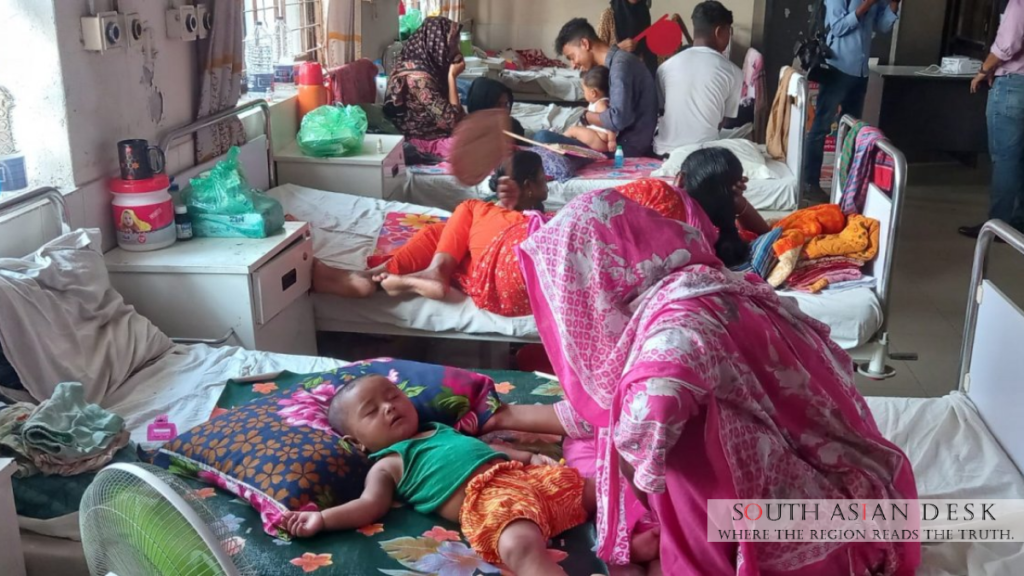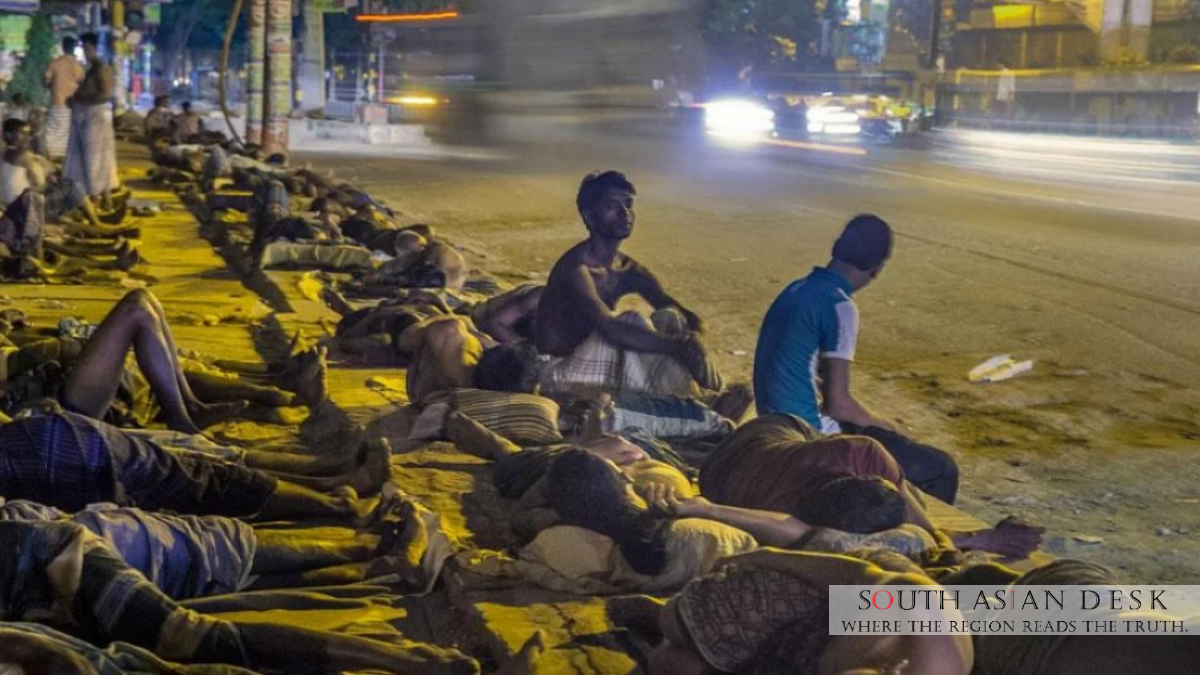
The World Bank has issued a stark warning that the ongoing conflict in the Middle East, coupled with global economic instability, could push an additional 1.2 million people in Bangladesh into poverty this year. This alarming projection was detailed in the World Bank’s Bangladesh Development Update released on April 8, 2026, emphasizing the growing risks to livelihoods and economic stability.
The report highlights that rising inflation and declining incomes may prevent a significant portion of the population from escaping poverty. Prior to the escalation of the Middle East conflict, around 1.7 million Bangladeshis were anticipated to rise above the poverty line in 2026. However, this figure is now expected to drop to approximately 500,000, leaving 1.2 million people unable to improve their economic standing.
Bangladesh’s progress in poverty reduction has been slowing in recent years, with the national poverty rate increasing from 18.7% in 2022 to 21.4% in 2025. The World Bank warns that external shocks, particularly the Middle East conflict, are exacerbating existing economic pressures and could reverse previous gains.
The World Bank projects that Bangladesh’s GDP growth may slow to 3.9% in the 2025–26 fiscal year due to global uncertainties affecting consumption and investment. Jean Pesme, World Bank Director for Bangladesh and Bhutan, highlighted the challenges posed by weak revenue collection, rising trade barriers, and persistent inflation, stressing the need for sustained reform efforts to support long-term poverty reduction.
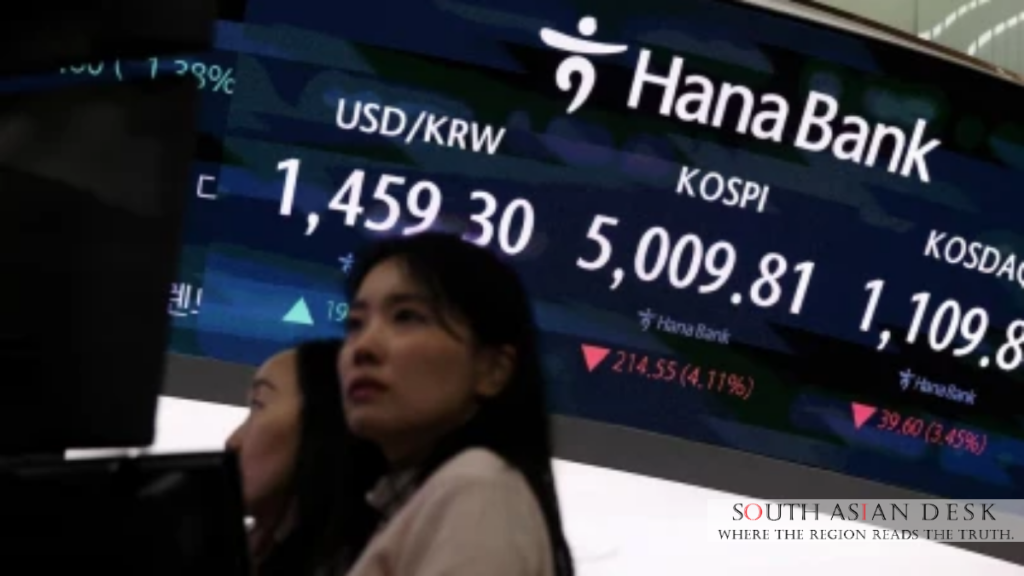
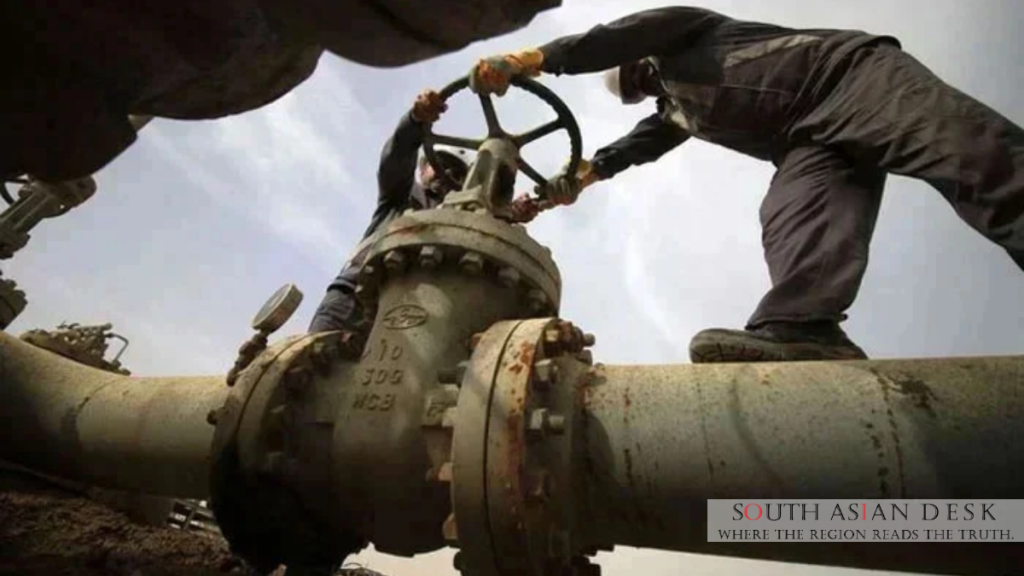
The report identifies various channels through which the conflict could impact Bangladesh’s economy, including disruptions in imports, exports, and remittances, as well as exchange rate volatility. Rising global fuel prices are expected to increase transport costs, further contributing to inflation, while government finances may face additional strain due to higher subsidy requirements.
Without the conflict’s impact, Bangladesh’s poverty rate could have declined to 19.3% by 2028. However, current conditions may delay this trajectory. The report underscores the importance of controlling inflation, expanding employment opportunities, and strengthening the investment environment to mitigate the negative effects. As global uncertainties persist, the World Bank’s warning signals a growing risk of deeper economic hardship for millions in Bangladesh.
Published in SouthAsianDesk, April 9, 2026
Follow SouthAsianDesk on X, Instagram and Facebook for insights on business and current affairs from across South Asia.