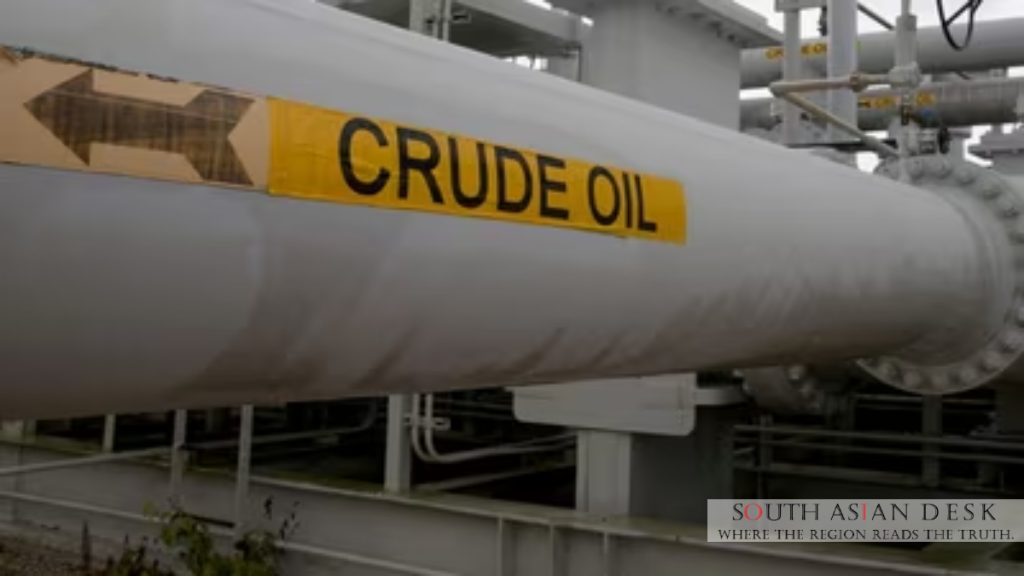
A recent World Bank report outlines actionable strategies to enhance energy efficiency and decarbonization in Pakistan’s key industrial sectors, including cement, steel, fertilizer, textile, and paper and pulp. These industries, vital to the nation’s economy, account for nearly 37% of Pakistan’s energy consumption and 19% of its GDP. The report emphasizes practical measures to reduce energy use and emissions, addressing barriers like limited access to financing, lack of policy incentives, and misconceptions about the cost of adopting energy-efficient technologies.
In the textile sector, the report highlights dyeing and finishing processes as the most energy-intensive, with potential savings of up to 60% through equipment upgrades and process optimization. The cement industry, where some plants have adopted waste heat recovery systems, could cut energy use by 6-20% and emissions by up to 35% with further investments. For steel, produced primarily from scrap in electric induction furnaces, additional efficiency measures could lower energy consumption by 8-10%. The fertilizer sector, heavily reliant on natural gas, faces challenges from price volatility but could benefit from fuel-switching and process improvements. The paper and pulp industry, growing at 7.2% annually, has room for improvement through modernized equipment.
The report identifies financial constraints and a lack of awareness as major hurdles. Many firms view energy efficiency investments as costly, despite evidence that these measures can enhance competitiveness and reduce exposure to volatile global fuel markets. To address this, the World Bank suggests establishing credit lines through commercial banks to provide affordable financing for energy-efficient upgrades. Social media discussions on platforms like X reflect growing public interest in sustainable industrial practices, with users emphasizing the need for government support to scale up these initiatives.
Pakistan’s industrial sector faces pressure to align with global sustainability goals, given its reliance on fossil fuels, which contribute to 84% of the country’s energy demand. By adopting these strategies, industries could save costs, improve energy security, and reduce environmental impact, positioning Pakistan as a more competitive player in the global market.
Published in SouthAsianDesk, July 21st, 2025
Follow SouthAsianDesk on X, Instagram and Facebook for insights on business and current affairs from across South Asia.