Muhammad Yunus has resigned as chief adviser after 18 months, clearing the path for the elected Bangladesh Nationalist Party administration led by Tarique Rahman following the February 12 polls.
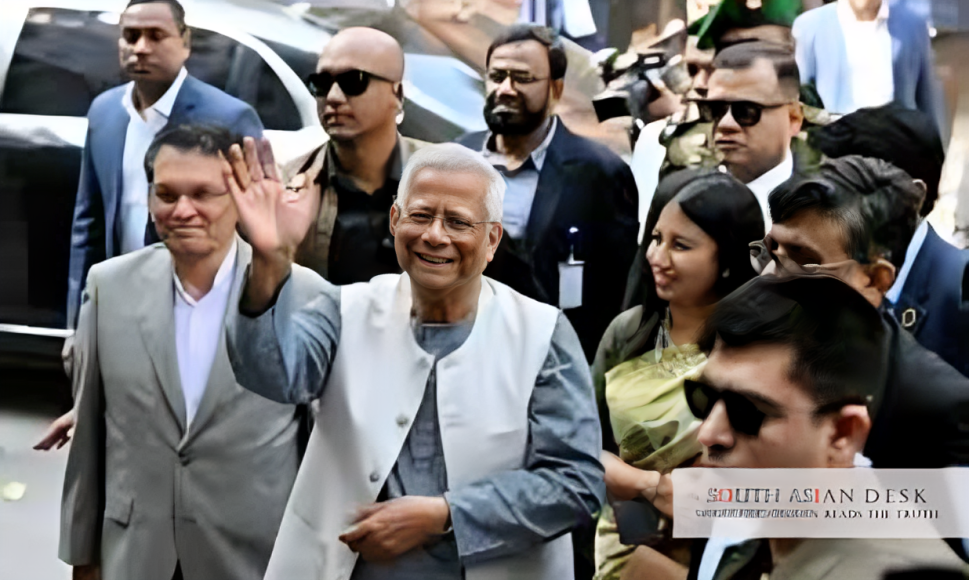
DHAKA: Muhammad Yunus steps down as Bangladesh’s interim leader on Monday, February 16, 2026, ending an 18-month transition period that began after the 2024 student-led uprising toppled Sheikh Hasina’s government. The 85-year-old Nobel Peace Prize laureate announced his resignation in a televised farewell broadcast to the nation, paving the way for the new government to be sworn in on Tuesday.
The move completes the handover to the Bangladesh Nationalist Party (BNP), which secured a landslide victory with at least 212 seats in the 300-member parliament. Tarique Rahman new government will assume office later today after lawmakers took their oaths in the morning.
Yunus resigns Bangladesh after steering reforms
In his address, Yunus steps down with a call to protect democratic gains. “Let the practice of democracy, freedom of speech, and fundamental rights that has begun not be halted,” he said. He praised voters, political parties and institutions for setting “a commendable example” and noted that the interim administration had “swept away the ruins, rebuilt institutions and set the course for reforms.”
The Chief Adviser’s Press Wing confirmed that Yunus also delivered a separate farewell address to officials and staff at the Chief Adviser’s Office in Tejgaon, Dhaka, on Monday afternoon, followed by a group photograph. His tenure, which started on August 8, 2024, formally concludes with Tuesday’s swearing-in ceremony.
Bangladesh interim government ends after credible polls
Bangladesh interim government ends following the general election held on February 12, 2026 the first since the 2024 uprising. The BNP-led alliance won a decisive mandate. Jamaat-e-Islami emerged as the main opposition with 77 seats. Sheikh Hasina’s Awami League was barred from contesting.
European Union observers described the polls as “credible and competently managed” and a benchmark for future elections. Voters also backed the “July Charter” in a national referendum, endorsing term limits for prime ministers, an upper house of parliament, stronger presidential powers and greater judicial independence. The charter is binding on winning parties but requires parliamentary ratification.
Tarique Rahman new government takes charge
Tarique Rahman new government will be formed after the BNP parliamentary party formally elects him leader on Tuesday. President Mohammed Shahabuddin is expected to administer the oath to Rahman and his cabinet in the afternoon. The 60-year-old BNP chairman returned from exile in December 2025 and led his party to victory from a position many once considered impossible.
In his victory speech on February 14, Rahman said: “This victory belongs to Bangladesh, belongs to democracy.” He acknowledged the fragile economy, weakened institutions and law-and-order challenges inherited from the previous era and called for unity across political lines. “Our paths and opinions may differ, but in the interest of the country, we must remain united,” he added.
Background
The interim period began in August 2024 when Yunus returned from self-imposed exile to head a non-party government after weeks of deadly protests forced Hasina to flee to India. The student-led movement demanded reforms and an end to what protesters called authoritarian rule. Over the next 18 months, the administration focused on institutional rebuilding, electoral preparations and the July Charter reforms.
Only seven women were directly elected to the new parliament, with 50 reserved seats to be allocated proportionally. Four members from minority communities, including two Hindus, won seats. Jamaat-e-Islami has challenged results in 32 constituencies, but the overall process remained calm. Hasina, 78, issued a statement from India calling the election “illegal”.
What’s Next
The new parliament will convene shortly to ratify the July Charter and address pressing economic issues, including reviving investor confidence in the garment sector. Rahman has pledged to restore stability and growth. Analysts say success in governance will determine whether the democratic transition strengthens or faces new tests.
Yunus steps down having fulfilled the mandate to restore voting rights. Bangladesh interim government ends, marking the return of elected rule. The region watches closely as Tarique Rahman new government begins its term.
Published in SouthAsianDesk, February 17th, 2026
Follow SouthAsianDesk on X, Instagram and Facebook for insights on business and current affairs from across South Asia.