

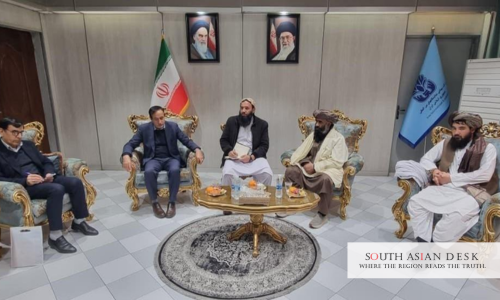
Kabul, Sunday, January 4, 2026 – Afghan and Iranian officials met to advance Afghan Iranian agriculture cooperation. Deputy Minister Mawlawi Sadr Azam Usmani hosted Iran’s Ambassador to Afghanistan, Safdar Niazi Shahraki. They focused on modern irrigation cooperation, livestock sector ties, and bilateral agricultural investment.
This development fosters economic resilience in Afghanistan. It aids recovery from conflict and drought through shared resources. Such ties enhance cross-border trade and stability in South Asia.
Modern Irrigation Cooperation: Focus on Technologies
The meeting highlighted modern irrigation cooperation. Both sides discussed technical exchanges in water management. They emphasized efficient resource use and modern systems, such as drip and sprinkler irrigation.
Usmani assured facilitation for Iranian firms in this area. Shahraki expressed Iran’s willingness to share expertise. Iranian companies specialising in irrigation design and production received invitations to invest.
The discussions aim to address Afghanistan’s water scarcity. Modern irrigation cooperation could improve crop yields. It supports sustainable farming practices.
Livestock Sector Ties: Addressing Market Challenges
Livestock sector ties formed a key part of the agenda. Officials explored marketing opportunities for Afghan products in Iran. Afghan private sector representatives raised concerns about Iran’s monopoly on table egg imports.
They noted the need for hatching eggs and one-day-old chicks. Strengthening livestock sector ties seeks to expand trade. It includes cross-border cultivation initiatives.
Shahraki affirmed Iran’s readiness to facilitate transit. This could ease export barriers. Enhanced livestock sector ties benefit herders in both nations.
Bilateral Agricultural Investment: Commitments and Opportunities
Bilateral agricultural investment drew significant attention. Usmani pledged IEA support for Iranian private sector ventures. This covers agriculture, irrigation, and livestock.
Shahraki highlighted participation in Afghan exhibitions. He stressed expanding trade relations. Bilateral agricultural investment aims to attract funds for development.
The commitments follow recent delegations. A separate Afghan team visited Tehran for an exhibition on irrigation. They sought investments in modern equipment.
Background
Afghan-Iranian agricultural relations have grown since 2021. Iran shares borders and cultural links with Afghanistan. Past cooperation includes water-sharing agreements.
Droughts have hit Afghan farming hard. Over 80 per cent of Afghans rely on agriculture. Iran’s expertise in arid farming offers value.
Recent pacts include food regulation plans in December 2025. An MOU on the agricultural sectors was signed recently. These build on economic ties worth USD 2 billion annually.
The Usmani-Shahraki meeting aligns with broader efforts. Afghanistan seeks foreign investment post-conflict. Iran provides a nearby partner for technology transfer.
What’s Next in Afghan Iranian Agriculture Ties
Further meetings may lead to specific projects. Delegations could formalise MOUs. Exhibitions offer platforms for deals. This progress signals deeper integration of Afghan and Iranian agriculture. It promises mutual benefits in food production.
Published in SouthAsianDesk, January 4th, 2026
Follow SouthAsianDesk on X, Instagram and Facebook for insights on business and current affairs from across South Asia.
