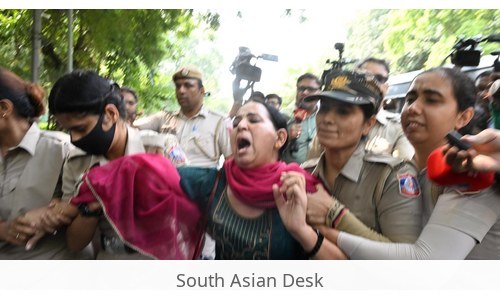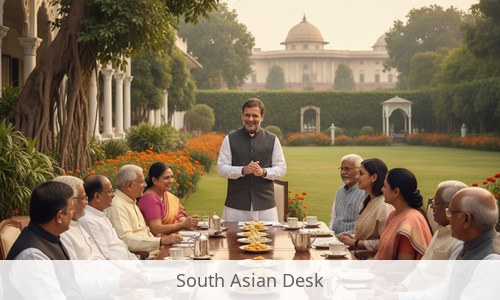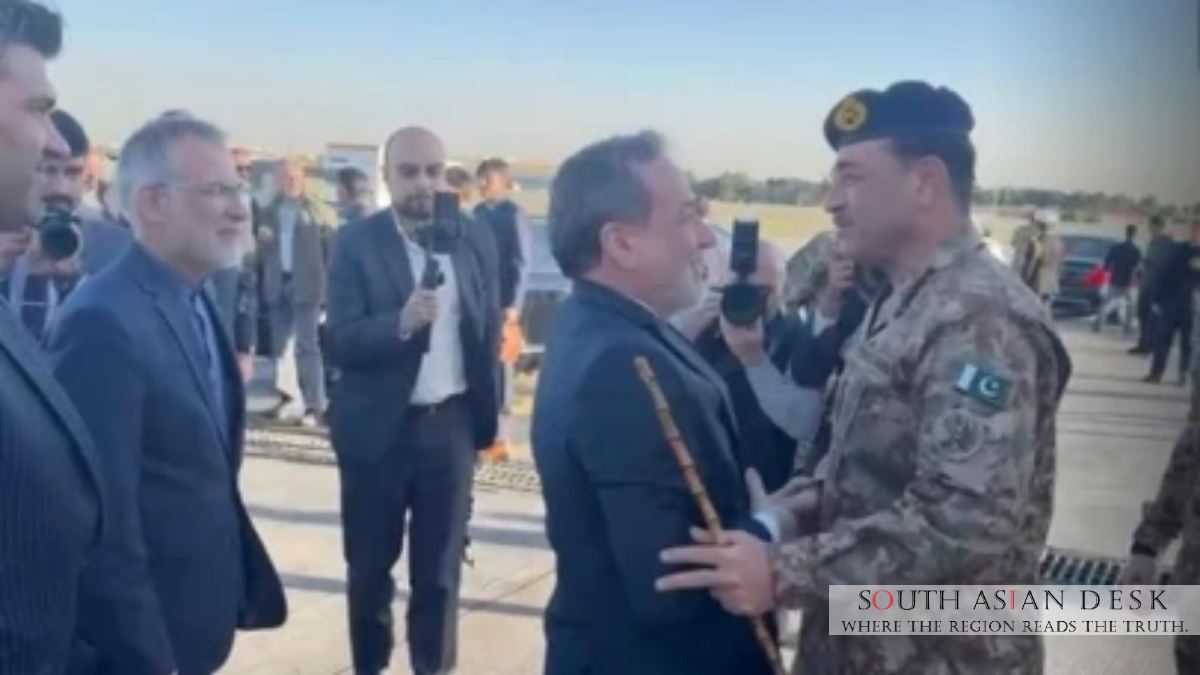
Pakistan has embarked on an intense diplomatic mission to mediate between Iran and the United States, aiming to facilitate a second round of crucial negotiations. On April 16, 2026, Prime Minister Shehbaz Sharif arrived in Saudi Arabia, marking the start of a multi-country tour, while Chief of Defence Forces and Army Chief Field Marshal Asim Munir made a surprise visit to Tehran.
These engagements highlight Pakistan’s emerging role as a mediator in a volatile geopolitical crisis, seeking to transform a fragile ceasefire into a structured peace process. Field Marshal Munir, with Interior Minister Mohsin Naqvi and other officials, was welcomed in Tehran by Iranian Foreign Minister Abbas Araghchi.
Officials report that Munir has become a pivotal figure in Pakistan’s diplomatic strategy, maintaining backchannel communications with both Washington and Tehran to foster trust. Iranian Foreign Ministry spokesperson Esmaeil Baqaei confirmed the ongoing exchange of messages through Pakistani intermediaries since the talks in Islamabad.
The White House expressed optimism about holding a second round of peace talks in Pakistan, acknowledging Islamabad’s crucial mediation role. Press Secretary Karoline Leavitt emphasized Pakistan’s unique position as the sole mediator, with President Trump supporting continued communication through Islamabad.
Iranian sources indicated that Munir’s visit aimed to bridge gaps between Tehran and Washington, embedding Pakistan deeply in shaping any future agreement. Despite previous negotiations ending without consensus, channels remain open, fostering hope for progress.
Iran presented a ten-point proposal during earlier talks, including US troop withdrawal and sanctions relief. While the Iranian delegation returned to Tehran citing lack of trust, both sides continue to communicate through Pakistan, signaling potential for advancement.
The nuclear issue remains a contentious point, but Iran shows some flexibility. Baqaei mentioned possible discussions on enrichment levels while insisting on Iran’s right to enrichment based on national needs. Iran will decide on further talks after Pakistani consultations.
Prime Minister Sharif’s visit to Saudi Arabia is seen as integral to Pakistan’s broader diplomatic strategy. Discussions with Crown Prince Mohammed bin Salman focused on regional peace, highlighting Saudi Arabia’s essential role in any de-escalation framework.
Sharif’s itinerary includes visits to Qatar and Türkiye, where he will engage with global leaders to support Pakistan’s mediation efforts. Pakistan’s intensified diplomacy follows its role in brokering a ceasefire on April 8, preventing a potential wider conflict.
The success of upcoming talks depends on Pakistan’s ability to help both sides agree on a framework. While tensions persist, Pakistan’s diplomatic vigor suggests a strong determination to advance the peace process, potentially elevating its global standing if successful.
Published in SouthAsianDesk, April 16, 2026
Follow SouthAsianDesk on X, Instagram and Facebook for insights on business and current affairs from across South Asia.