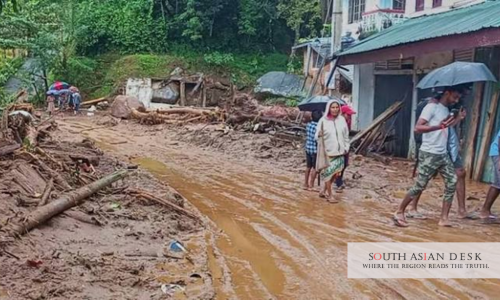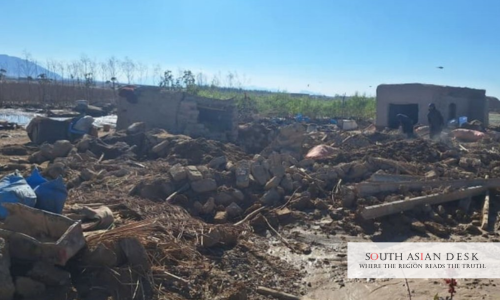
Afghanistan Floods: Heavy rains triggered flash floods across western provinces in Afghanistan on Monday, December 29, 2025, killing at least 17 people and injuring 11 others. Authorities reported severe damage in Farah and Herat, prompting WFP Afghanistan assistance for affected families.
The Farah Herat floods expose Afghanistan’s vulnerability to climate extremes. In South Asia, such disasters disrupt livelihoods and strain humanitarian resources, potentially affecting regional food security and migration patterns.
Afghanistan Flash Floods Strike Western Provinces
Flash floods swept through Farah and Herat provinces following heavy rains and snowfall that ended a long dry spell. The downpours began on Monday, December 29, 2025, causing widespread destruction. By Friday, January 2, 2026, officials confirmed at least 17 fatalities.
In Herat’s Kabkan district, a mud roof collapsed on Thursday, January 1, 2026, killing five family members, including two children. Mohammad Yousaf Saeedi, spokesman for the Herat governor, provided details of the incident.
The Afghanistan National Disaster Management Authority recorded casualties across multiple provinces. Spokesman Mohammad Yousaf Hammad stated on Wednesday, January 1, 2026, that 12 people died and 11 were injured over three days in 11 provinces, including Kapisa, Parwan, Daikundi, Uruzgan, Kandahar, Helmand, Badghis, Faryab, Badakhshan, Herat, and Farah.
Hammad noted the floods destroyed 274 houses completely and partially damaged 558 others. Public infrastructure suffered as well, with eight mosque prayer halls affected, 209 kilometres of roads damaged, eight small bridges collapsing, and 27 shops impacted. Dozens of acres of agricultural land and orchards faced devastation.
Farah Herat Floods: Local Devastation
In Farah province, the Farah-Herat floods have injured at least 10 people. Mohammad Esraeel Sayar, head of the Natural Disaster Preparedness Department under Taliban control, reported injuries in Farah city and districts like Farah Rud, Bakwa, Gulistan, Bala Buluk, Khak-e-Safid, and Pusht Rod.
Sayar confirmed 242 homes destroyed and over 1,300 head of livestock killed. The disaster affected 3,186 families in Farah alone.
Across the region, Afghanistan flash floods damaged homes, farmlands, and infrastructure. Videos showed a truck overturning on the Herat-Kandahar highway near Dasht-e Bakwa and a bus swept away in strong currents, with passengers escaping.
Hammad added that the floods killed livestock and impacted 1,800 families, exacerbating poverty in urban and rural areas.
WFP Afghanistan Assistance Deployed
The World Food Programme responded swiftly to the flooding in Afghanistan. On Monday, January 5, 2026, WFP posted on X that teams, with partners, assessed needs in Farah and Herat.
“Recent floods across Farah and Herat Provinces of Afghanistan have caused damage to homes, farmlands, and infrastructure, with casualties reported in some districts,” the statement read. “WFP teams, together with partners, were quickly deployed to assess needs and provide assistance. So far, 140 households have received support.”
WFP Afghanistan assistance includes emergency food and supplies. Assessments continue to identify further requirements for food, drinking water, shelter, and sanitation.
The United Arab Emirates expressed solidarity on Saturday, January 3, 2026, by conveying condolences to the victims of the flood in Herat.
Broader Impacts of Afghanistan Floods
The Afghanistan floods compound existing challenges. Heavy snowfall blocked roads in colder areas, stranding travellers. In warmer regions, rain caused flash floods.
Authorities noted the weather disrupted daily life in central, northern, southern, and western Afghanistan. The Farah Herat floods highlight infrastructure weaknesses, with roads and bridges vital for trade.
Humanitarian needs surged. Affected families face immediate shortages amid Afghanistan’s economic struggles.
Similar incidents occurred earlier. In July 2025, flash floods in eastern Afghanistan affected hundreds of people. In June 2025, northern floods prompted WFP assessments.
Background
Afghanistan is prone to frequent natural disasters due to its challenging terrain and climate. Floods often follow droughts, as seen in late 2025. The Taliban administration manages responses through the National Disaster Management Authority.
International aid, including from WFP, supports millions. Since 2021, humanitarian crises have intensified, with over half the population needing assistance.
Past floods, like those in May 2025, killed dozens and destroyed homes, underscoring the need for resilient infrastructure.
What’s Next
Assessment teams will finalise damage reports by mid-January 2026. The WFP plans to expand its assistance if funding allows.
Taliban authorities may seek international support. In the long term, flood mitigation projects can reduce risks.
In conclusion, coordinated efforts are essential to recover from these Afghanistan floods and build resilience.
Published in SouthAsianDesk, January 5th, 2026
Follow SouthAsianDesk on X, Instagram and Facebook for insights on business and current affairs from across South Asia.