India aims to reset ties with Bangladesh’s opposition ahead of key elections, as New Delhi engages BNP leaders following years of strain under exiled former PM Sheikh Hasina.
New Delhi’s outreach to Dhaka signals a shift in India-Bangladesh relations, vital for regional stability amid shared borders, trade links, and security concerns in South Asia.
Recent Diplomatic Moves in India-Bangladesh Relations
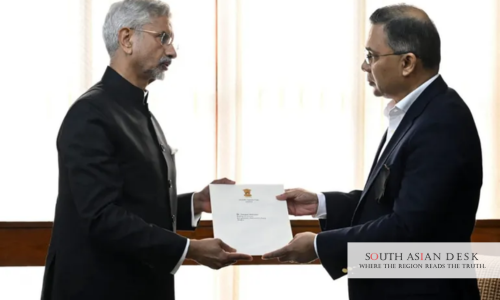
India’s External Affairs Minister, S. Jaishankar, met with BNP acting chairman Tarique Rahman in Dhaka on December 31, 2025. The visit focused on conveying condolences for the death of former PM Khaleda Zia, who passed away on 30 December 2025 at age 80. Jaishankar delivered a letter from PM Narendra Modi and expressed confidence that Zia’s vision would guide future partnerships.
This meeting marks a potential new phase in India-Bangladesh relations. Humayun Kabir, foreign affairs adviser to the interim government, described it as offering “the potential of a new phase in the bilateral relationship.” He emphasized the need for a “clean break from the past,” noting that under Sheikh Hasina, Bangladesh had been relegated to a subordinate role in its ties with India.
Historical tensions in India-Bangladesh relations stem from the BNP’s 2001-2006 rule, when India accused Dhaka of sheltering anti-India militants and fostering closer Pakistan links through alliances like Jamaat-e-Islami. Dhaka denied these claims. Water sharing, border disputes, and migration issues further strained bonds. In contrast, India backed Hasina’s Awami League for its secular stance.
Post-2024, relations soured after a student-led uprising ousted Hasina in July 2024. Anti-India protests erupted in Bangladesh, including attacks on minorities and a temporary visa suspension. India’s support for Hasina, now in exile, fueled resentment. Kabir called Hasina a “terrorist” and urged India to avoid complicity in any destabilisation efforts from her side.
Analysts view India’s pivot as a pragmatic move. Harsh Vardhan Shringla, former Indian foreign secretary, noted Rahman has “matured during his years in exile” and recognises the need for India’s backing. Sreeradha Datta, a professor at OP Jindal Global University, said Rahman is “saying all the correct things” to bring stability.
Jon Danilowicz, a former US diplomat, highlighted Rahman’s maturity, while Michael Kugelman, a South Asia analyst, said India engages Rahman out of necessity despite past baggage. Anil Trigunayat, another former Indian diplomat, warned of the challenges in countering anti-India groups if the BNP regains power.
India’s Ministry of External Affairs has issued statements underscoring concerns. On 26 December 2025, the MEA expressed worry over minority violence in Bangladesh and reiterated support for democratic processes, including free and fair elections. Earlier, on 17 December 2025, the MEA rejected “false narratives by extremist elements” in Bangladesh and affirmed commitment to peace and inclusive polls.
These align with broader India-Bangladesh relations goals, including economic cooperation. Bilateral trade stands at USD 12 billion annually, with India as Bangladesh’s largest export market in Asia. Energy ties include India’s supply of 1,160 MW of power to Bangladesh. Border management remains key, with 4,096 km of shared frontier.
Bangladesh Elections 2026: A Pivotal Moment
The Bangladesh elections in 2026, scheduled for February, are set to take place amid political upheaval. The Awami League faces a ban from participating, leaving the BNP and a Jamaat-e-Islami-led coalition as frontrunners. The BNP recently ended its alliance with Jamaat, which now partners with a party of 2024 student leaders.
Voter turnout is expected to be high, with over 170 million eligible voters. The interim government under Muhammad Yunus has pledged reforms, but tensions persist. India supports stable, inclusive polls, as stated in MEA releases. A smooth transition could bolster India-Bangladesh relations by reducing border insecurities.
International observers, including those from the UN, may monitor the process. Past elections under Hasina drew criticism for irregularities, leading to her ouster. The 2026 vote presents an opportunity for democratic renewal, influencing regional dynamics.
BNP Tarique Rahman Emerges as Key Figure
BNP Tarique Rahman, 60, returned to Dhaka on 25 December 2025 after 17 years in exile. Greeted by thousands, he attended Zia’s burial on 31 December 2025. Rahman fled in 2008 amid allegations of graft that he claims were politically motivated.
As acting chairman, Rahman positions himself for premiership. He pledged an “inclusive Bangladesh, where minorities are safe,” addressing India’s concerns. Analysts view this as a strategic move, given India’s significant influence. Kabir echoed a focus on “people-to-people ties” beyond past leader-centric relations.
Rahman’s popularity surges post-return, with surveys showing BNP leading polls. His break from Jamaat signals moderation, easing fears in New Delhi. Shringla noted Rahman understands success requires India’s support.
However, challenges remain. Trigunayat highlighted the risks of Pakistan’s influence under the BNP. Rahman must navigate internal party dynamics and public demands for justice over 2024 crackdowns, where UN estimates cite 1,400 deaths.
Sheikh Hasina Exile Complicates Ties
Sheikh Hasina’s exile in New Delhi since August 2024 strains India-Bangladesh relations. Ousted after 15 years, she faces in-absentia convictions, including a death sentence for the 2024 crackdown.
Dhaka demands her extradition, with Kabir warning the “onus” lies on India. He said retaining Hasina risks perceptions of complicity in destabilisation. India has refused, citing humanitarian grounds and provisions of its bilateral extradition treaty.
Hasina’s presence sparked anti-India sentiment, including protests and a Hindu man’s lynching. MEA summoned Bangladesh’s envoy on December 17, 2025, over security concerns. Bangladesh countered by protesting Hasina’s statements.
Experts urge resolution. Kabir called for rekindling ties beyond Hasina, focusing on cooperation and mutual benefits. India maintains its commitment to Bangladesh’s people, as per a 19 November 2025 meeting between Bangladesh’s NSA and India’s Ajit Doval.
Background: Evolution of India-Bangladesh Relations
India-Bangladesh relations date back to 1971, when India provided significant support to Bangladesh’s independence. Economic pacts followed, but political shifts caused fluctuations. Under Hasina, ties reached their peak with the resolution of enclaves and transit deals.
Post-2024, relations hit lows. Visa services have resumed partially, but rebuilding trust is key. Shared rivers, such as the Teesta, remain unresolved, with talks stalled.
What’s Next for India-Bangladesh Relations
As the 2026 Bangladesh elections near, India-Bangladesh relations hinge on poll outcomes. A BNP win could usher in cooperation if the issues of extradition and minority representation are resolved. Failure risks renewed tensions.
Both nations eye mutual benefits: Bangladesh needs India’s markets; India seeks stable borders. Diplomatic engagements may intensify, fostering a balanced partnership.
Published in SouthAsianDesk, January 6th, 2026
Follow SouthAsianDesk on X, Instagram and Facebook for insights on business and current affairs from across South Asia.