Dhaka: Bangladesh has agreed to collaborate with the International Cricket Council to address T20 World Cup security concerns, which India and Sri Lanka will co-host. The decision follows a virtual meeting on Tuesday, during which the Bangladesh Cricket Board raised concerns about player safety in India, prompting calls for a shift of the T20 World Cup 2026 venue.
The move underscores the escalating diplomatic strains between Bangladesh and India, which have spilled over into cricket. With all Bangladesh group matches scheduled in Indian venues, the issue could disrupt the tournament, set to start on February 7. South Asian cricket ties often mirror political relations, and this dispute risks affecting fan engagement across the region.
ICC Bangladesh India Talks Progress
The Bangladesh Cricket Board confirmed on Wednesday its intention to work with the ICC on security for the Bangladesh T20 World Cup. “The ICC has conveyed its willingness to work closely with the BCB to address the concerns and has assured that the board’s inputs will be welcomed and duly considered as part of the detailed security planning for the event,” the BCB said.
Officials from both sides held discussions via video call. The ICC reportedly informed the Bangladesh Cricket Board that, based on current assessments, no specific security threats are currently in place. However, the Bangladesh Cricket Board maintains its stance on potential risks, citing recent incidents.
Bangladesh initially refused to travel to India for the tournament. The refusal centred on Bangladesh T20 World Cup security worries linked to broader tensions. The Bangladesh Cricket Board has formally requested a venue shift for the T20 World Cup 2026, relocating its fixtures to Sri Lanka.
According to multiple reports, the ICC rejected this request. “There is no security red flag, no venue shift,” a source close to the ICC told The Times of India. The governing body emphasised that standard security protocols would apply without evidence of credible threats.
Despite the denial, the Bangladesh Cricket Board refuted claims of an ICC ultimatum. “Such claims are completely false, unfounded, and do not reflect the nature or content of the communication received from the ICC,” the board stated. This clarification aims to ease domestic pressure while pursuing Bangladesh’s T20 World Cup security assurances.
Mustafizur Rahman IPL Release Fuels Dispute
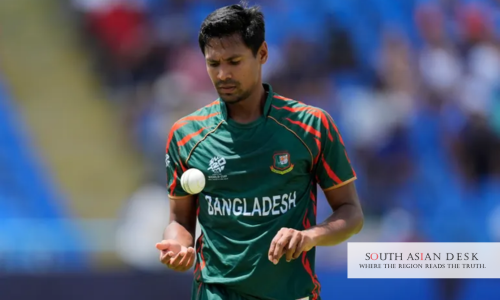
The controversy gained momentum after the release of Mustafizur Rahman from the IPL. The star fast bowler was let go by Kolkata Knight Riders on directives from the Board of Control for Cricket in India. This move came amid heightened bilateral friction.
Bangladesh’s interim government responded by banning IPL broadcasts. Officials described the release of Mustafizur Rahman from the IPL as illogical and detrimental to public sentiment. “The unceremonious dumping of a star player defied logic and hurt people,” a government spokesperson said.
Mustafizur Rahman has since joined the Pakistan Super League draft, marking a shift from IPL participation. The decision reflects reciprocal actions in cricket administration. Fans in Bangladesh expressed outrage online over the release of Mustafizur Rahman from the IPL, viewing it as politically motivated.
This incident is linked to the security narrative surrounding the Bangladesh T20 World Cup. The Bangladesh Cricket Board sees it as part of a pattern affecting player welfare. Discussions on ICC Bangladesh-India relations now include potential impacts on future tournaments.
Background
Tensions between Bangladesh and India have escalated since August 2025, when former Prime Minister Sheikh Hasina fled to New Delhi after an uprising. Bangladesh accuses India of supporting Hasina during her rule, contributing to internal instability.
Recent events include the lynching of a Hindu man in Bangladesh over blasphemy allegations. In response, Hindutva activists attempted to storm the Bangladesh High Commission in New Delhi, protesting minority protection failures.
These diplomatic strains have extended to the realm of sports. Cricket, a unifying force in South Asia, now faces division. The Bangladesh T20 World Cup security concerns echo past boycotts, such as Pakistan’s hesitation to tour India.
The 2026 T20 World Cup will feature 20 teams, with matches scheduled to take place across nine Indian cities and three in Sri Lanka. Bangladesh is grouped with strong opponents, adding pressure to resolve the issue swiftly.
Data from the ICC shows the tournament is expected to have over 1 billion viewers globally. In South Asia, viewership could drop if Bangladesh withdraws, affecting revenue. The ICC Bangladesh India dialogue aims to prevent such outcomes.
What’s Next
Further meetings between the ICC and the Bangladesh Cricket Board are expected in the coming weeks. The focus will remain on Bangladesh T20 World Cup security protocols, including enhanced measures for the team.
If unresolved, the Bangladesh Cricket Board may escalate its request to shift the T20 World Cup 2026 venue. Alternatives could include neutral venues, though this is unlikely given existing hosting agreements.
The ICC plans to conduct a comprehensive security review by March, incorporating input from all boards. This could set precedents for handling political influences in cricket.
Stakeholders hope for a resolution preserving the sport’s integrity. As preparations advance, ensuring security for the Bangladesh T20 World Cup remains key to ensuring fair participation.
The ongoing ICC Bangladesh-India engagement underscores the importance of diplomacy in sports governance. With the tournament approaching, a conclusive agreement on Bangladesh T20 World Cup security is essential.
Published in SouthAsianDesk, January 8th, 2026
Follow SouthAsianDesk on X, Instagram and Facebook for insights on business and current affairs from across South Asia.