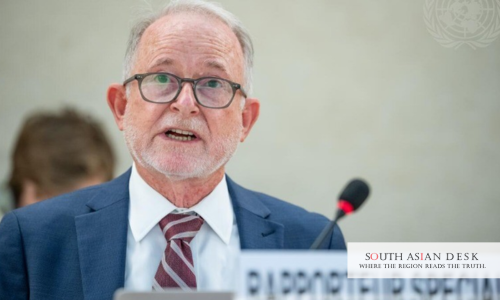
Kabul – The United Nations Special Rapporteur on human rights in Afghanistan, Richard Bennett, has called for the immediate and unconditional release of two detained Afghan Journalists, including female journalist Nazera Rashidi. Bennett expressed deep alarm over the continued detention of Rashidi in Kunduz province and Khadija Ahmadzada in Herat province. The appeal highlights persistent threats to press freedom and women’s rights under Taliban rule.
These cases underscore the deteriorating environment for media workers and women in Afghanistan. Arbitrary detentions contribute to a climate of fear that restricts freedom of expression and civic space across South Asia’s fragile region.
Detained Afghan Journalists: Details of Cases
Nazera Rashidi, a local journalist in Kunduz province, was detained by Taliban intelligence agents on January 6, 2026, after leaving her home following a phone call. She has been held for over a week without formal charges. Family members report pressure for forced confessions, risks of character defamation, and fabrication of a security case. Rashidi serves as the sole caregiver for her two young children.
Taliban authorities in Kunduz confirmed the detention, describing it as related to a “criminal case” involving Rashidi and four other women. They denied any link to her media work, calling contrary reports misleading propaganda. Investigations continue, with detainees to be handed over to judicial institutions upon completion.
Khadija Ahmadzada, a 22-year-old female taekwondo coach, was detained on January 13, 2026, in Herat province along with her father. Reports indicate she was conducting secret training sessions when Taliban officials intervened. She was transferred to the provincial prison.
Taliban Detains Journalists: UN Rapporteur Afghanistan Response
UN rapporteur Afghanistan Richard Bennett posted on X expressing extreme concern. He stated he was alarmed by the continued detention of Nazera Rashidi in Kunduz and Khadija Ahmadzada in Herat. Bennett called for their immediate release and assurance of safety.
Bennett described these arrests as part of a wider pattern of human rights violations. He highlighted the detention of women, activists, journalists, and civilians as clear breaches of fundamental rights.
Media watchdog groups note that the Taliban have detained an average of about six journalists per month since August 2021. Arbitrary arrests contribute to severe restrictions on press freedom.
Afghan Women Journalists Detained: Broader Implications
Afghan women journalists detained face heightened risks in the current environment. Rashidi’s case exemplifies pressures on female media workers, who encounter discrimination and threats. Family concerns include mistreatment resembling prisoner-of-war conditions.
The detentions reflect systemic challenges to women’s participation in public life. Restrictions on education, employment, and mobility compound risks for female professionals.
No further public statements from Taliban officials address the specific UN appeal or the women’s current status.
Background
Since the Taliban regained control in August 2021, Afghanistan has seen significant erosion of press freedom. Journalists face intimidation, censorship, and arbitrary detention. Women journalists encounter additional barriers due to gender-specific policies.
UN reports document hundreds of violations against media workers, including arrests, torture, and ill-treatment. The pattern persists despite international calls for accountability.
These incidents occur amid broader human rights concerns, including bans on female education beyond primary levels and limits on women’s work.
What’s Next
The international community watches closely for Taliban response to the UN appeal. Release of the detained women could signal willingness to address human rights concerns.
Continued detentions may intensify diplomatic isolation and affect humanitarian aid. Monitoring groups urge swift action to protect journalists and uphold freedom of expression.
The situation with detained Afghan journalists remains a critical test of press freedom in Afghanistan.
Published in SouthAsianDesk, January 18th, 2026
Follow SouthAsianDesk on X, Instagram and Facebook for insights on business and current affairs from across South Asia.