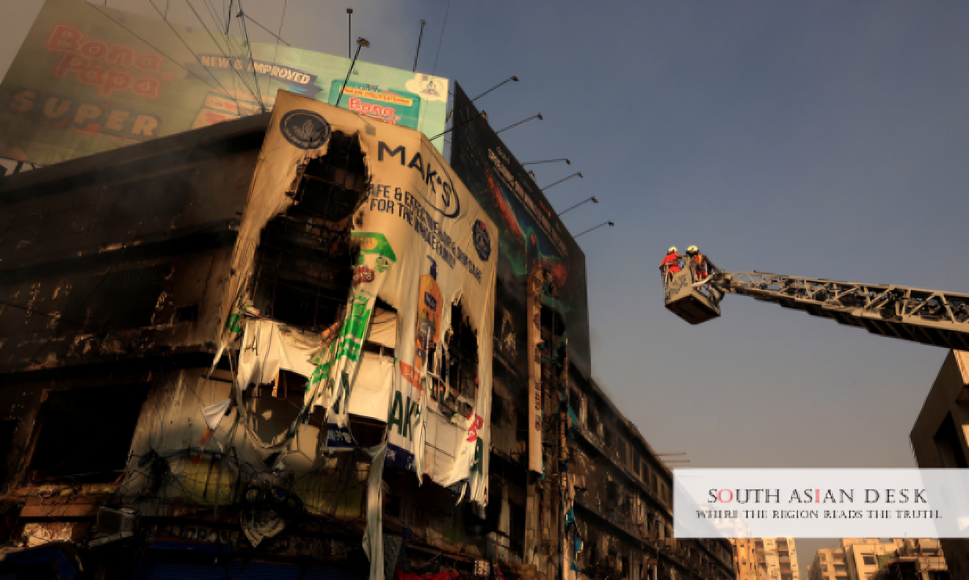
A Kabul blast ripped through a Chinese noodle restaurant in a Kabul hotel on Monday, January 19, 2026, killing seven people including one Chinese national and injuring at least 13 others. The attack occurred in the afternoon in the Shahr-e-Naw neighbourhood, a commercial district with offices, shops and embassies. Police confirmed the explosion was near the kitchen. ISIS claimed it as a suicide bombing aimed at Chinese citizens over Beijing’s treatment of Uighurs.
The incident underscores ongoing security challenges in Afghanistan under Taliban rule, with implications for South Asian stability. ISIS affiliates continue sporadic attacks despite reduced violence since the 2021 US withdrawal. Regional neighbours like Pakistan and India monitor such events closely, given cross-border terror threats and economic ties with Afghanistan.
Details of the Kabul Explosion
Taliban police spokesperson Khalid Zadran stated that one Chinese national named Ayub and six Afghans died in the Kabul explosion. Several others sustained injuries. The restaurant, jointly operated by Chinese Muslim Abdul Majid, his wife and Afghan partner Abdul Jabbar Mahmood, served the Chinese Muslim community.
The Italian NGO Emergency reported receiving 20 people at its Kabul surgical centre, with seven dead on arrival. Four women and one child were among the wounded. “Twenty people have been received at EMERGENCY’s Surgical Centre in Kabul following an explosion this afternoon in the Shahr-e-Naw area, near the hospital. Among those received were seven people dead on arrival,” the organisation said in a statement.
Videos on social media showed debris on the street and smoke from a large hole in the restaurant’s front. The district is one of Kabul’s safest, highlighting vulnerabilities even in guarded areas.
ISIS Kabul Attack Claim
The Afghan branch of ISIS claimed the ISIS Kabul attack via its Amaq news agency. In a statement, the group said it targeted Chinese citizens due to “growing crimes by the Chinese government against Uighurs”. Rights groups accuse Beijing of abuses against the Muslim minority in Xinjiang, which China denies.
This marks another ISIS Kabul attack amid the group’s opposition to the Taliban. ISIS has conducted bombings in Afghanistan since 2014, often hitting minorities and foreigners.
Background
Afghanistan has seen fewer blasts since the Taliban seized power in August 2021, pledging security. However, ISIS-Khorasan remains active, claiming attacks on mosques, schools and hotels. A 2022 Kabul hotel blast targeted Chinese businessmen, killing five.
China shares a 76-kilometre border with Afghanistan and has invested in mining and infrastructure. Beijing maintains ties with the Taliban, urging action against terror groups. The Kabul blast could strain these relations, affecting projects like the Mes Aynak copper mine.
In South Asia, such incidents raise concerns. Pakistan’s president attributed the explosion to a bomb in a statement, accusing the Taliban of failing ceasefire obligations. Pakistan hosts Afghan refugees and faces ISIS-linked threats. India, with historical ties to Afghanistan, views ISIS expansion as a regional risk.
Taliban Interior Ministry spokesperson Abdul Mateen Qani said preliminary reports confirmed casualties, with the cause under investigation. No official Taliban comment on the ISIS claim yet.
The Kabul explosion highlights ISIS’s strategy to exploit ethnic tensions. Uighur militants have joined ISIS in Afghanistan, fueling anti-China actions. Regional forums like the Shanghai Cooperation Organisation discuss counter-terrorism, involving Pakistan, India and China.
Casualty figures remain provisional. Emergency noted the toll could rise. Hospitals in Kabul treated the injured, with some in critical condition.
Witnesses described chaos. One local told reporters of shattered glass and screams. Security forces cordoned off the area quickly.
The Chinese embassy in Kabul has not issued a statement.
What’s Next
Investigations continue into the Kabul blast. Taliban forces may increase patrols in Shahr-e-Naw. Analysts expect heightened security for foreign nationals, potentially impacting aid and investment.
ISIS could attempt more attacks, testing Taliban control. Regional diplomacy may intensify, with calls for joint anti-terror efforts.
The Kabul blast serves as a reminder of fragile peace in Afghanistan, with ripple effects across South Asia.
Published in SouthAsianDesk, January 20th, 2026
Follow SouthAsianDesk on X, Instagram and Facebook for insights on business and current affairs from across South Asia.