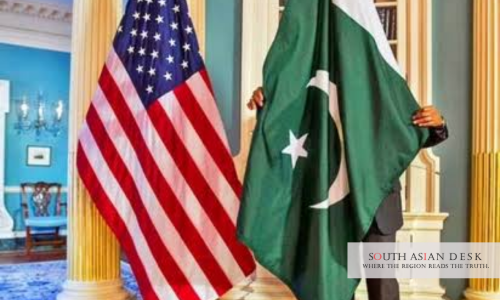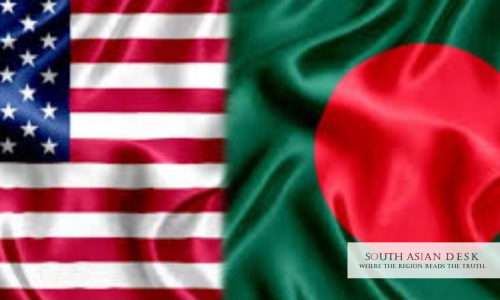
As Bangladesh approaches its parliamentary election on February 12, the interim government is set to sign a significant US Tariff deal with Washington on February 9. This move has stirred controversy due to the timing and confidentiality surrounding the deal, raising questions about the appropriateness of an outgoing administration finalizing such a long-term commitment.
The agreement, which focuses on tariffs and trade relations, is seen by some political leaders, economists, and business groups as a decision that should be left to the incoming government. Concerns center on the potential restrictions on policy flexibility that could arise from binding commitments, particularly those related to tariffs, imports, and procurement.
Commerce Adviser Sk Bashir Uddin stated that Bangladesh aims to secure zero tariffs on readymade garments, its principal export to the US. However, the outcome of these negotiations remains uncertain. The backdrop to these talks includes the imposition of reciprocal tariffs by President Donald Trump in April 2025, initially set at 37% and later reduced to 20%. Combined with a pre-existing 15% duty, Bangladeshi goods face a total tariff of 35%.
To address the approximately $6 billion annual trade deficit with the US, Bangladesh has expanded imports of American agricultural products and advanced a plan to purchase 14 Boeing aircraft by 2035. This aircraft deal, approved by the national carrier’s board, includes eight 787-10 Dreamliners and could cost Tk30,000–35,000 crore, raising concerns about fiscal priorities.
The confidentiality of the negotiations, enforced by a non-disclosure agreement, has drawn criticism from business leaders and policy analysts. The Dhaka Chamber of Commerce and Industry has expressed concerns over the lack of stakeholder involvement, while economists warn of the long-term economic and geopolitical implications. Future adjustments may be sought through the Trade and Investment Cooperation Framework Agreement platform, but the rigidity of the final commitments remains a concern.
Published in SouthAsianDesk, February 9th, 2026
Follow SouthAsianDesk on X, Instagram and Facebook for insights on business and current affairs from across South Asia.