Oil prices surged on March 2, 2026, following a series of attacks involving the United States and Israel against Iran, which led to retaliatory strikes on Israeli and US military installations in the Gulf region. These events have caused significant disruptions in the global energy supply chain, particularly affecting oil exports from the region.
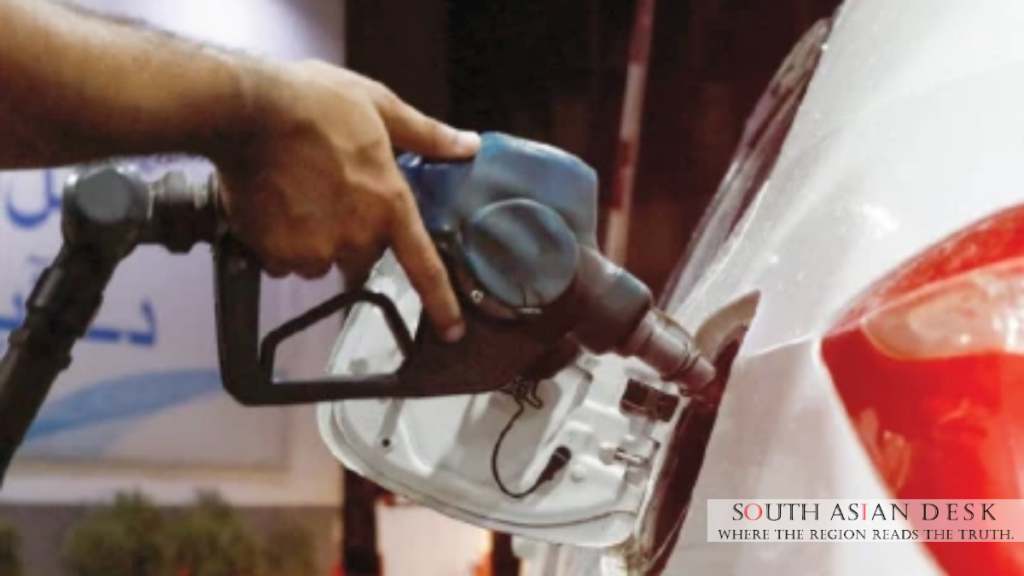
Traders are concerned that the supply of oil from Iran and other West Asian countries may slow significantly or even come to a halt. The attacks have also targeted vessels traveling through the Strait of Hormuz, a crucial passage for the global oil supply, which has further restricted the ability of countries to export oil worldwide. Energy experts predict that prolonged disruptions could lead to higher prices for crude oil and gasoline.
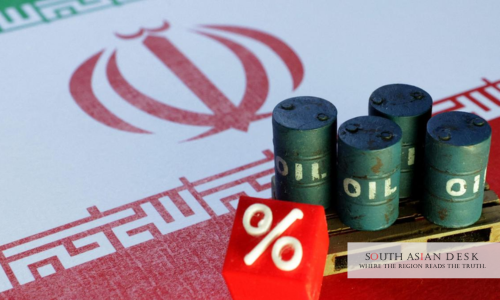
West Texas Intermediate, a light and sweet crude oil from the US, saw its price rise to approximately $72 per barrel, marking a 7.3% increase from its previous price of about $67. Similarly, Brent crude, the international benchmark, was trading at $78.55 per barrel, up 7.8% from $72.87, which was a seven-month high.
The Strait of Hormuz is a vital oil chokepoint, with about 15 million barrels of crude oil passing through daily, accounting for roughly 20% of the world’s oil supply. Iran’s temporary closure of parts of the strait for military drills in mid-February had already caused oil prices to increase by around 6%.
In response to the current crisis, OPEC+ announced an increase in crude production by 206,000 barrels per day starting in April, exceeding analysts’ expectations. However, experts like Jorge León, Rystad’s head of geopolitical analysis, emphasize that the ability to move barrels through the Gulf is more critical than production targets. If Iran’s oil exports are disrupted, countries like China may need to seek alternative suppliers, potentially driving energy prices even higher.
Published in SouthAsianDesk, March 3rd, 2026
Follow SouthAsianDesk on X, Instagram and Facebook for insights on business and current affairs from across South Asia.