Pakistan’s inflation rate soared to 7% in February 2026, marking the highest level since October 2024. This increase was primarily driven by significant electricity price hikes resulting from subsidy cuts, which have severely impacted households. Concurrently, escalating unrest in the Middle East poses a threat to global oil prices, potentially exacerbating the economic challenges for Pakistan, an import-reliant nation.
The consumer price index (CPI) rose by 6.98% year-on-year, accelerating from 5.8% in January 2026, and significantly higher than the 1.5% recorded in February of the previous year, according to the Pakistan Bureau of Statistics. The removal of cross-subsidies and the imposition of fixed charges led to a sharp increase in electricity tariffs. The housing, water, electricity, gas, and fuels index rose by 9.65% annually, with electricity alone surging by 10.03% from January.
Core inflation, excluding volatile food and energy prices, showed a slight reduction. Urban core inflation decreased to 7.1% from 7.2%, while rural core inflation remained stable at 8.3%. The uptick in the CPI has caused real interest rates to shrink by 120 basis points. Despite this, the State Bank of Pakistan kept its policy rate unchanged at 10.5%, resisting calls for a rate cut.
The Wholesale Price Index (WPI) also increased to 1.0% during February, up from 0.2% in the previous month. This rise suggests increasing cost pressures at the producer level, which could lead to higher retail inflation in the coming months. Analysts highlight the risks posed by domestic energy reforms and Middle East tensions, which could increase Pakistan’s oil import bill, weaken the rupee, and drive inflation higher.
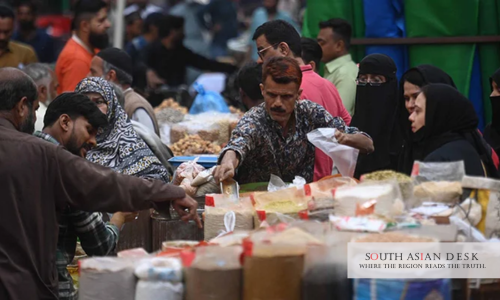
Food and non-alcoholic beverages recorded a 5.8% inflation rate, up from 3.9% in January. Some staple food items saw significant price increases, with tomatoes up by 82%, wheat by 42.6%, and wheat flour by 25.9%. In contrast, prices for potatoes, chicken, and certain pulses saw sharp declines, helping to offset overall food inflation.
As Pakistan navigates these economic challenges, the potential for increased public discontent looms, especially if tensions in the Middle East further impact remittances, a vital economic lifeline for many households. The government faces the difficult task of balancing economic reforms with the need to support struggling citizens.
Published in SouthAsianDesk, March 3rd, 2026
Follow SouthAsianDesk on X, Instagram and Facebook for insights on business and current affairs from across South Asia.