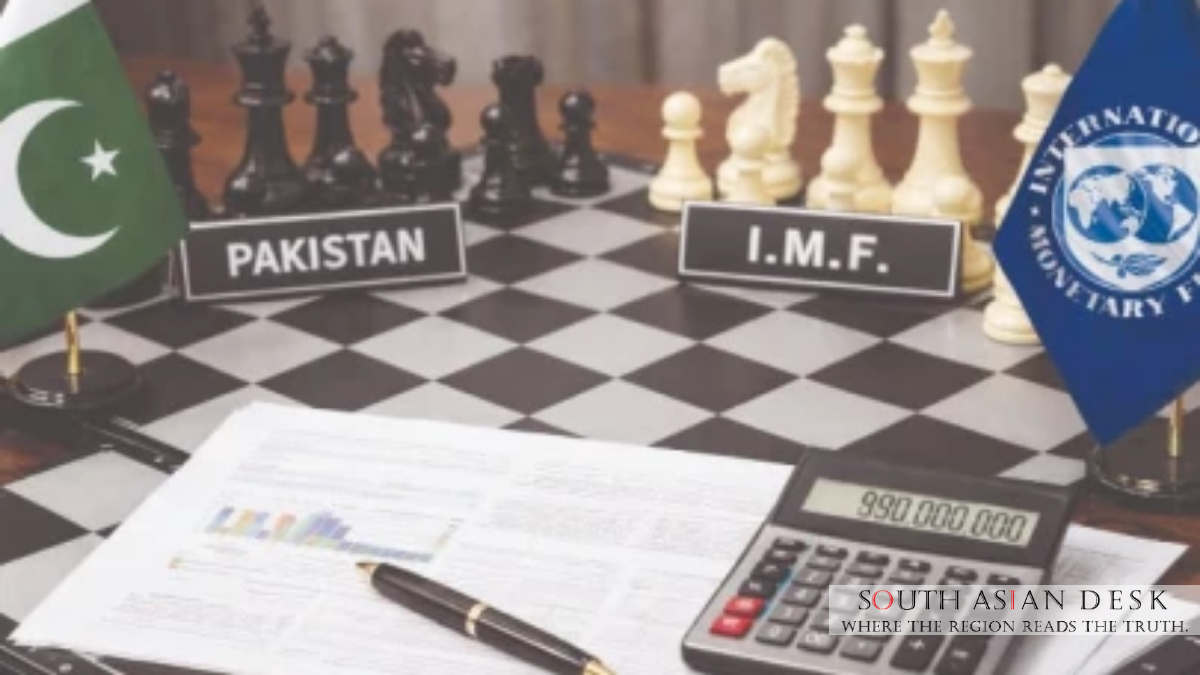
The International Monetary Fund (IMF) has raised objections to Pakistan’s proposal to allocate nearly Rs1 trillion for power subsidies in the fiscal year 2026-27, which includes over Rs500 billion to address electricity theft and inefficiencies. This proposal reflects an 11% increase from the previous year’s allocation of Rs893 billion, highlighting ongoing challenges in the power sector.
Pakistan’s Power Subsidy Proposal
Government sources revealed that the Power Division informed the IMF about the need for Rs990 billion in subsidies. The IMF, however, has urged the government to reduce this allocation, emphasizing the need for fiscal discipline. The Power Division argued that additional funds are necessary to cover loan write-offs for K-Electric and manage higher interest payments on circular debt, following China’s refusal to renegotiate energy contracts.
The IMF’s concerns are compounded by the projected increase in circular debt flow due to lower recoveries and persistent electricity theft. Despite previous targets to reduce circular debt to zero, the current program allows for some increase, but within limits. The Power Division anticipates over Rs500 billion in additional circular debt for the next fiscal year, while the IMF prefers a cap of Rs300 billion to Rs325 billion.
Pakistan’s power sector crisis is rooted in high transmission and distribution losses, a demand-supply mismatch, and governance issues, including electricity theft and poor bill recoveries. Last month, Power Minister Sardar Awais Leghari acknowledged the financial burden of these inefficiencies, which are not reflected in tariffs but instead covered by government subsidies paid by taxpayers.
The government is transitioning from a net metering to a net billing policy, affecting electricity pricing dynamics. Under this system, electricity from the national grid is sold at rates up to Rs60 per unit, while solar-generated electricity is purchased at less than Rs9 per unit. This shift, along with annual base tariff adjustments, monthly fuel cost adjustments, and quarterly tariff adjustments, reflects ongoing efforts to stabilize the power sector.
Published in SouthAsianDesk, March 6, 2026
Follow SouthAsianDesk on X, Instagram and Facebook for insights on business and current affairs from across South Asia.