

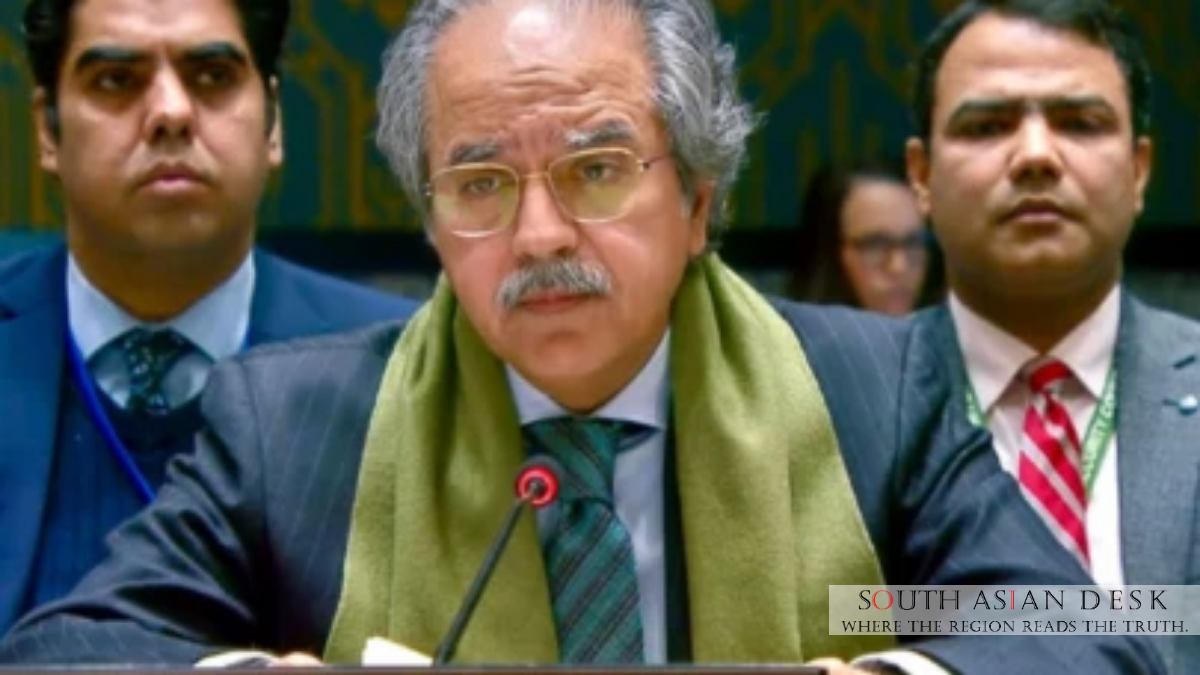
Pakistan has urged the United Nations Security Council to ensure that the world’s natural resources are utilized for economic development and shared prosperity rather than becoming sources of coercion and conflict. This plea was made by Ambassador Asim Iftikhar Ahmad, Pakistan’s permanent representative to the UN, during a debate on March 8, 2026, focused on ‘Energy, critical minerals, and security.’
Ambassador Ahmad emphasized that the competition for natural resources is not a novel issue but has intensified, creating new geopolitical and geo-economic pressures. He warned that if not managed responsibly, such competition could disrupt supply chains, increase tensions, undermine sovereignty, and lead to instability.
Highlighting the importance of shared water resources, Ambassador Ahmad condemned the ‘weaponization of water,’ particularly accusing India of ‘water terrorism’ by suspending the 1960 Indus Waters Treaty. He called on the international community to urge India to comply fully with the Treaty, as mandated by the August 2025 Court of Arbitration award.
The meeting, chaired by US Secretary of Energy Chris Wright, underscored that mineral wealth, when combined with weak governance and poverty, risks fueling conflict and violence. Ambassador Ahmad argued for the respect of national ownership and the rights of developing countries to add value and industrialize their resources.
Looking forward, the Ambassador advocated for transforming developing countries from mere raw material exporters to integrated hubs for processing and refining, ensuring stability and prosperity.
Published in SouthAsianDesk, March 8, 2026
Follow SouthAsianDesk on X, Instagram and Facebook for insights on business and current affairs from across South Asia.
