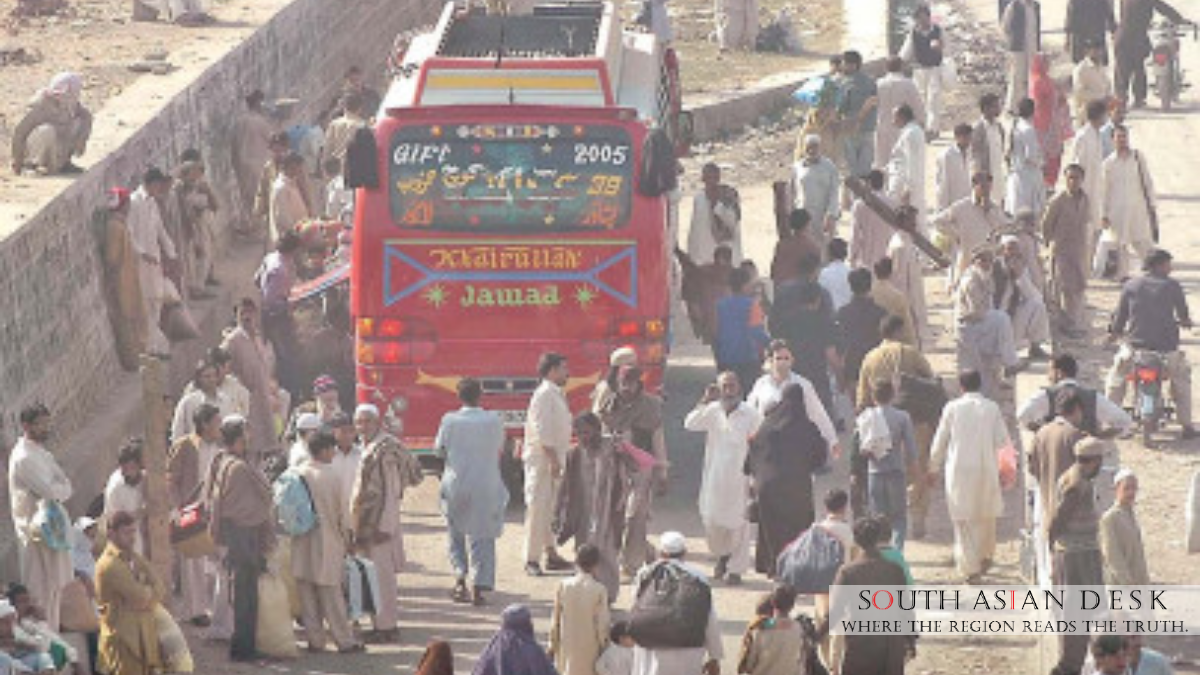
Pakistan Fuel Price Hike: On March 7, 2026, Pakistan experienced an unprecedented surge in transport fares, following a historic Rs55 increase in petrol and diesel prices announced by the federal government. This adjustment, the largest in the country’s history, prompted immediate fare hikes across various transport sectors, including Pakistan Railways.
In response to the fuel price increase, many citizens have opted for more economical modes of transport, switching from cars to motorcycles, and from motorcycles to bicycles. The sharp rise in transport fares has significantly affected passengers, students, and daily commuters traveling to district courts and between the twin cities and surrounding areas.
Local transport operators have raised stop-to-stop fares to Rs50, while fares from the city to district courts have escalated to Rs100, and from the city to Morgah to Rs130. Long-distance transport fares have increased by Rs100 to Rs150 per passenger, severely impacting those planning to travel for Eid festivities, with family travel budgets rising by Rs5,000 to Rs10,000.
Throughout the day, disputes between passengers and conductors over the increased fares were reported, with some passengers being asked to disembark for refusing to pay the additional charges. Additionally, pick-and-drop services for students and working women have raised their rates by 30 to 40 percent, leading many parents to seek alternative arrangements.
Goods transporters have also sharply increased freight charges. Transporting goods containers from Karachi to Peshawar now costs around Rs0.4 million, up from Rs0.26 million. This surge in transport costs is expected to drive up the prices of essential commodities like pulses, rice, and white chickpeas by up to Rs15 per kilogram, while prices for milk, meat, and chicken have risen by about 20 percent.
Trade association leaders have urged Deputy Commissioner Hassan Waqar Cheema to convene a meeting of the price control committee to establish new pricing strategies. Meanwhile, transport terminals have canceled advance bookings for Eid travel from Rawalpindi and Islamabad to various long-distance destinations, demanding higher fares.
The rise in transport costs has also affected ride services and rickshaw fares, with motorcycle ride fares increasing from Rs100 to Rs150, and rickshaw fares from Raja Bazaar and Moti Bazaar to Saddar doubling from Rs600 to Rs1,200. Public transport fares have surged on intercity routes, causing widespread concern among commuters.
Published in SouthAsianDesk, March 8, 2026
Follow SouthAsianDesk on X, Instagram and Facebook for insights on business and current affairs from across South Asia.