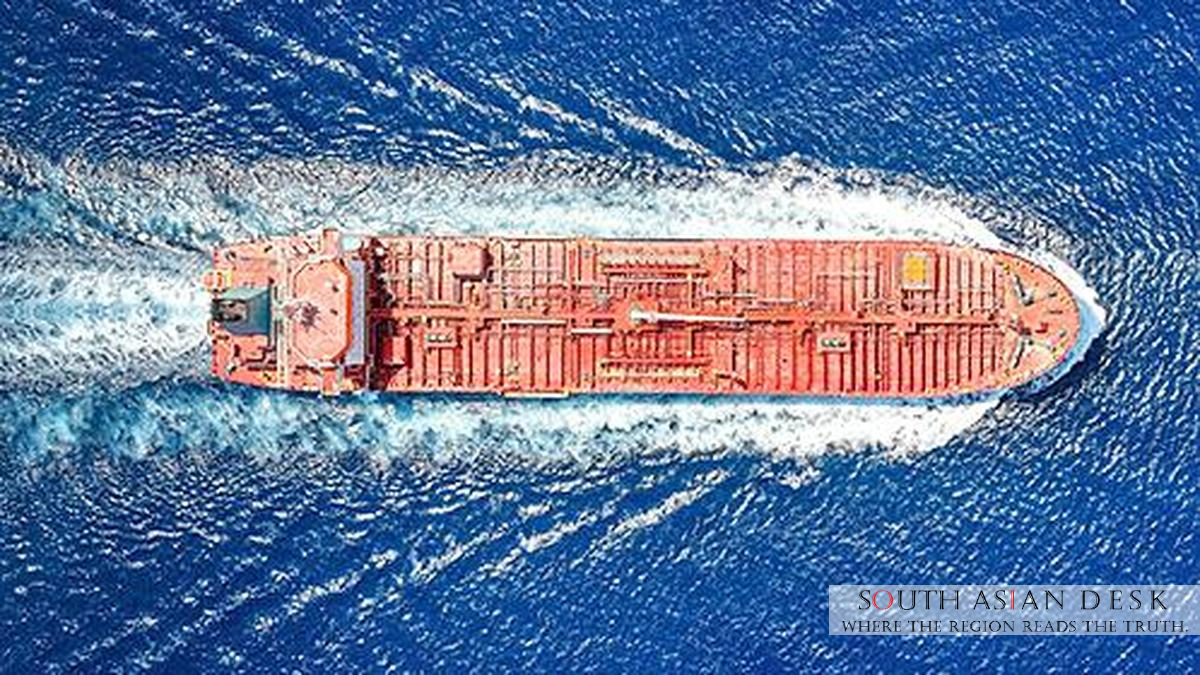
Strait of Hormuz Disruptions Amid Iran Conflict
Indian refiners are actively negotiating for additional crude oil supplies from the United States, Russia, and West Africa as the Iran conflict in West Asia continues to threaten traditional supply routes. Industry officials and analysts have confirmed these efforts to maintain adequate oil reserves.
Refineries in India have postponed planned maintenance shutdowns and are maintaining normal processing rates to build buffers against potential supply shortages. As of now, India imports approximately 88% of its crude oil, with a significant portion traditionally passing through the Strait of Hormuz, a critical energy transit route.
The ongoing military strikes by the U.S. and Israel on Iran, along with Iran’s retaliatory attacks, have significantly disrupted tanker movements through the Strait of Hormuz, escalating tensions in the region. Consequently, Indian refiners are increasingly sourcing oil from non-conflict zones.
A senior oil ministry official stated that non-Strait sources accounted for 60% of India’s oil supplies in 2025, a figure that has risen to 70% due to the Middle East conflict. Indian companies are now tapping into crude from West Africa, Latin America, and the U.S.
The U.S. Treasury Department has issued a 30-day waiver allowing the sale of Russian oil already loaded on vessels to India, providing an additional avenue for crude imports. This waiver permits transactions involving Russian oil loaded before March 5, with the exemption valid until April 5.
India’s strategic petroleum reserves and onshore storage facilities currently hold approximately 144 million barrels of crude, providing a buffer for about 30 days at 2025 import levels. The country’s total storage capacity covers around 74 days of net oil imports, according to the Petroleum Ministry.
Despite securing alternative sources, analysts warn that the overall cost of crude imports could rise due to higher global oil prices, increased freight and insurance premiums, and longer shipping routes. Crude oil prices have surged to over ₹92 per barrel, and LNG prices have doubled.
The higher prices are expected to impact India’s import bill, widen the current account deficit, and put pressure on the rupee. With India being the world’s third-largest crude importer, the halt in tanker traffic through the Strait of Hormuz poses significant challenges for its energy security.
Published in SouthAsianDesk, March 8, 2026
Follow SouthAsianDesk on X, Instagram and Facebook for insights on business and current affairs from across South Asia.