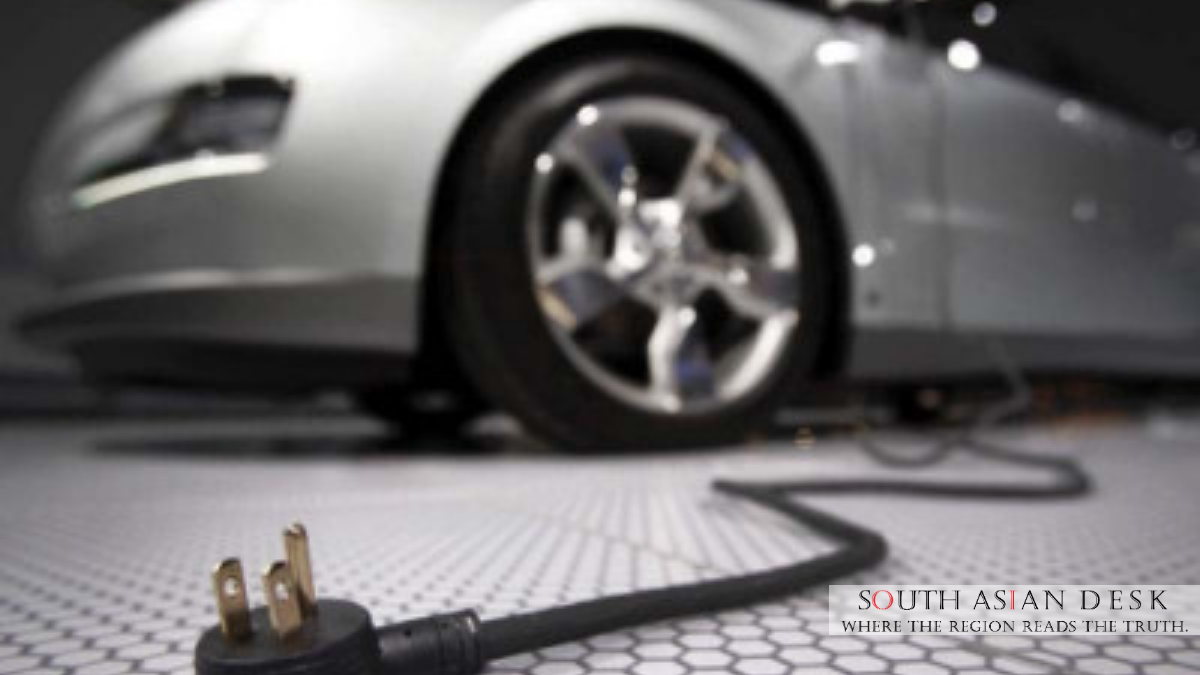
Pakistan is poised to save up to $2 billion by 2030 by accelerating the adoption of electric vehicles (EVs), a move that promises to significantly reduce the nation’s dependence on imported oil. This strategic shift was highlighted during a recent think tank session at the Pakistan China Joint Chamber of Commerce and Industry (PCJCCI) Secretariat on March 9, 2026.
During the session, PCJCCI President Nazir Hussain emphasized the critical role of electric mobility in addressing Pakistan’s economic and environmental challenges. He noted that transitioning to EVs would not only lower the country’s oil import bill but also assist in meeting climate commitments. Hussain highlighted the government’s initiatives to introduce a favorable tariff regime for EVs, which he believes will encourage both consumers and investors to embrace electric mobility.
Hussain further pointed out the potential of reducing carbon emissions by up to 1.54 metric tonnes through widespread EV adoption, marking a significant step towards combating climate change. The session also underscored the importance of leveraging technological cooperation with China under the China-Pakistan Economic Corridor, particularly in EV manufacturing, battery technology, and charging infrastructure.
Senior Vice President Brig Mansoor Saeed Sheikh (Retd) stressed the necessity of establishing a nationwide network of EV charging stations to support this transition. As Pakistan continues to explore these opportunities, the focus remains on sustainable growth and environmental stewardship.
Published in SouthAsianDesk, March 9, 2026
Follow SouthAsianDesk on X, Instagram and Facebook for insights on business and current affairs from across South Asia.