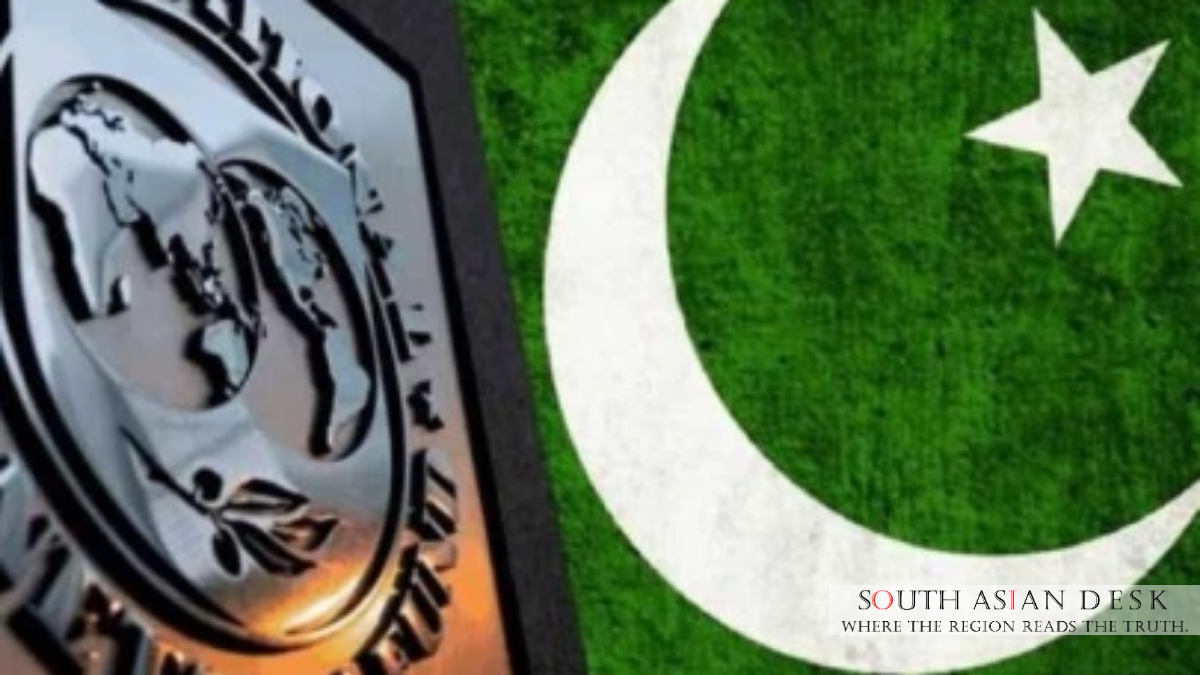
Pakistan IMF Loan Talks: On March 12, 2026, negotiations between Pakistan and the International Monetary Fund (IMF) for a $1 billion loan tranche concluded without resolution. The discussions, which began on February 26, were hindered by disagreements over the viability of Pakistan’s current budget, largely due to underperformance by the tax machinery.
Government officials revealed that the staff-level agreement with the IMF would require more time than initially planned. Although Pakistan met the quantitative performance criteria for July-December 2025, the IMF expressed concerns about the country’s ability to achieve the primary budget surplus target by the end of June.
The IMF delegation, led by Mission Chief Iva Petrova, had to leave Karachi abruptly on March 2 due to security concerns following geopolitical tensions. Subsequent talks were conducted virtually from Turkiya. Despite the lack of a formal agreement, Pakistani officials remain optimistic about concluding negotiations before the IMF’s anticipated May visit.
A significant issue in the negotiations was the performance of the Federal Board of Revenue (FBR). The IMF doubted the FBR’s ability to collect the targeted Rs13.5 trillion in taxes this fiscal year. The original target was Rs14.13 trillion, later revised to Rs13.98 trillion by the IMF. The FBR requested a further reduction during the talks.
In addition, Pakistan missed two indicative targets related to tax collection for the July-December period. The government had implemented incentives for FBR employees, including new cars and extra salaries, but these measures failed to boost performance.
Prime Minister Shehbaz Sharif recently announced energy conservation measures, including a four-day workweek for government staff. However, the FBR issued a notification mandating a five-day workweek, contradicting the Prime Minister’s directive.
The IMF is also seeking clarity on Pakistan’s next fiscal year’s budget, with plans to send a mission to Pakistan. The government, however, is hesitant to accept the budget mission, fearing further complications.
Additional challenges include the IMF’s dissatisfaction with projections of dividend incomes from state-owned enterprises (SOEs) and the petroleum levy. The IMF criticized the government’s breach of the governance and anti-corruption framework and requested amendments to the Election Commission of Pakistan Act.
The IMF also highlighted gaps in SOEs reforms and questioned the appointment of government officials as private members on SOEs boards. Despite meeting most structural benchmarks, Pakistan failed to amend the Sovereign Wealth Fund Act to the IMF’s satisfaction.
The IMF rejected Pakistan’s request to abolish the carbon levy on furnace oil and to allow zero sales tax on oil refineries. However, there may be concessions regarding captive power plants. The IMF also demanded a reduction in power subsidies and circular debt additions for the next fiscal year.
Published in SouthAsianDesk, March 12, 2026
Follow SouthAsianDesk on X, Instagram and Facebook for insights on business and current affairs from across South Asia.