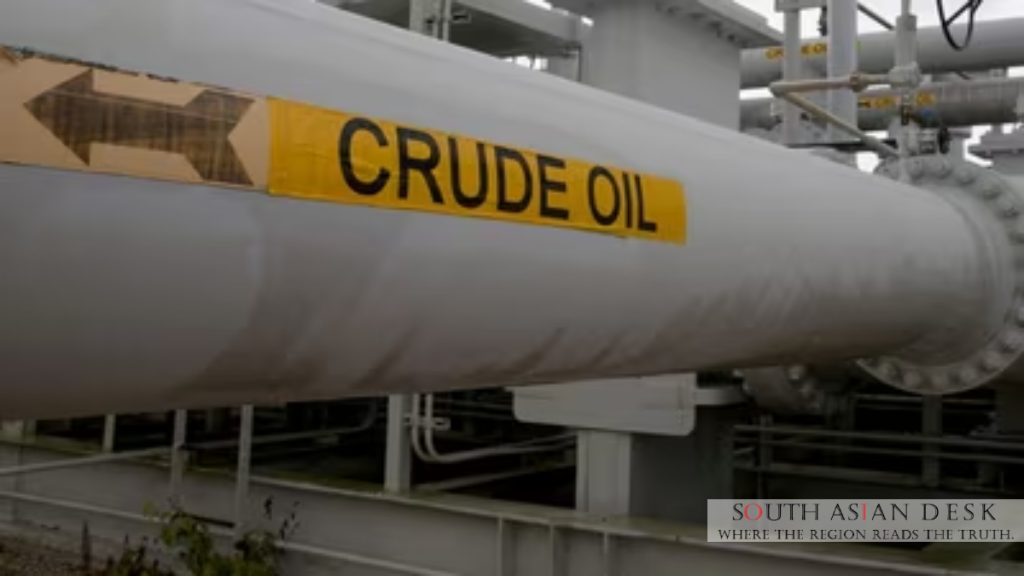
On March 19, 2026, Iran attacks intensified on Gulf Arab neighbours energy infrastructure, targeting Qatari liquefied natural gas facilities. This escalation follows an Israeli attack on Iran’s primary natural gas field, marking a significant intensification in the ongoing West Asian conflict and causing global fuel prices to soar.
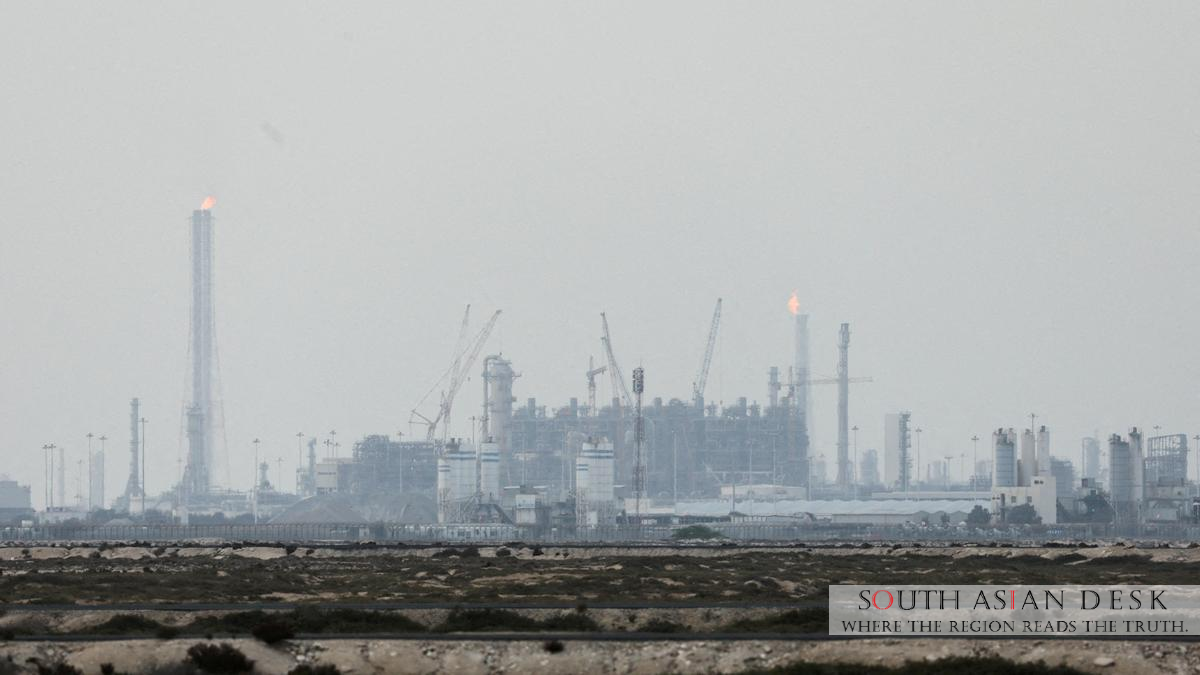
A vessel was set ablaze off the United Arab Emirates coast, and another was damaged near Qatar, highlighting the persistent threat to maritime traffic due to Iran’s control over the Strait of Hormuz. The UAE and Qatar have reported significant damage to energy facilities, with Qatar’s major LNG site suffering extensive fires and damage.
Qatar Energy confirmed that a missile strike on its Ras Laffan LNG facility caused a major fire. The attack has halted production, delaying Qatar’s gas supply to global markets. Saudi Arabia and the UAE condemned the Iranian attacks, with Saudi officials stating that trust in regional stability has been completely eroded.
Iran’s actions come after Israel targeted the South Pars gas field, jointly owned by Iran and Qatar, threatening Iran’s domestic energy supply. With 80% of Iran’s power generation dependent on natural gas, the attack poses a direct threat to its electricity and domestic energy needs.
The ongoing conflict has seen over 20 vessels attacked, with Iran maintaining a tight grip on the Strait of Hormuz. While some ships navigate the passage, Iran restricts access to U.S. and allied vessels, creating significant disruptions in global oil shipments.
Published in SouthAsianDesk, March 19, 2026
Follow SouthAsianDesk on X, Instagram and Facebook for insights on business and current affairs from across South Asia.