

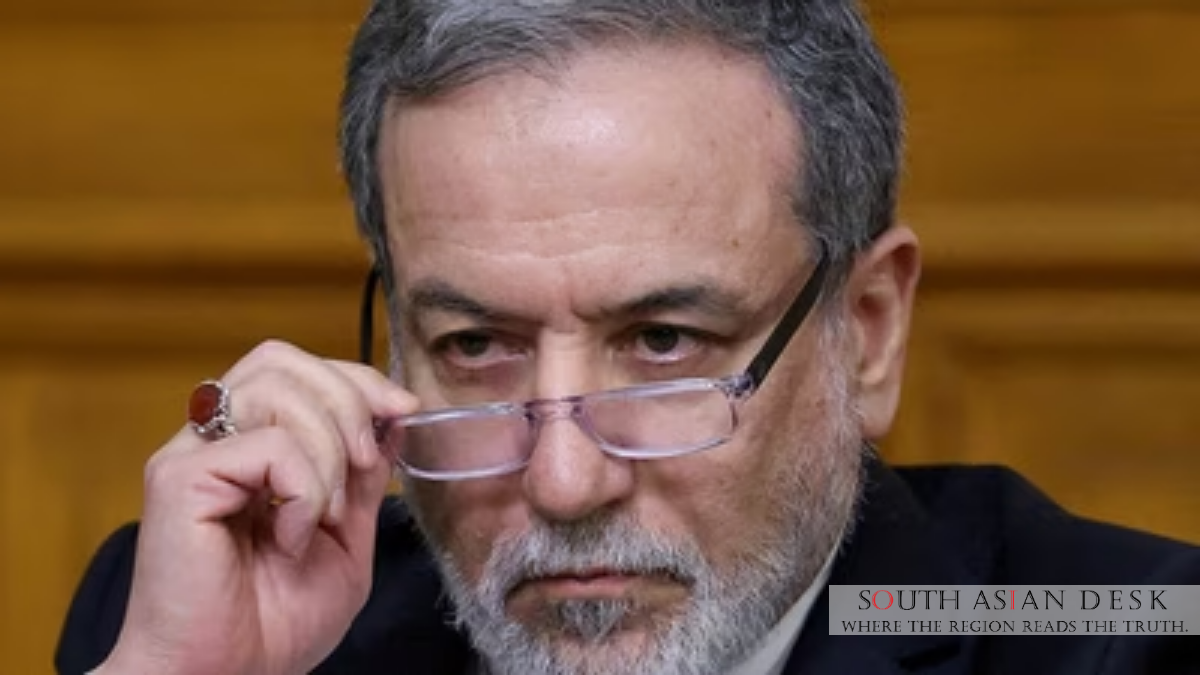
Iran has announced that it will allow ‘friendly nations’ such as India, Pakistan, Iraq, China, and Russia to utilize the Strait of Hormuz, a crucial waterway in the Gulf region, amidst ongoing tensions with the United States. Iranian Foreign Minister Abbas Araghchi made this declaration on March 26, 2026, signaling a strategic move to maintain alliances and ease regional tensions.
The Hormuz Strait, a vital channel for global oil transportation, has become a focal point in the Iran-US conflict. As oil prices rise and shortages loom, Iran’s decision to permit passage to selected nations aims to mitigate the potential global energy crisis. The Iranian Consulate in Mumbai confirmed this development, emphasizing the importance of maintaining open channels with key partners.
The closure of the Strait by Iran has been a significant point of contention, with global bodies like the United Nations urging its reopening to stabilize fuel prices. UN Secretary-General Antonio Guterres highlighted the severe impact on civilian life and global agriculture due to restricted movement of oil and fertilizers.
Historically, the Hormuz Strait has been a strategic chess piece in Middle Eastern geopolitics. Iran’s current stance reflects its demands for international recognition of its sovereignty over the Strait, countering previous assertions by US President Donald Trump about shared control with Iran’s leadership.
Looking ahead, Iran’s parliament is considering legislation to impose a toll on ships passing through the Strait, potentially creating a new revenue stream while asserting control. This development could further influence diplomatic negotiations and impact global trade routes.
Published in SouthAsianDesk, March 26, 2026
Follow SouthAsianDesk on X, Instagram and Facebook for insights on business and current affairs from across South Asia.
