

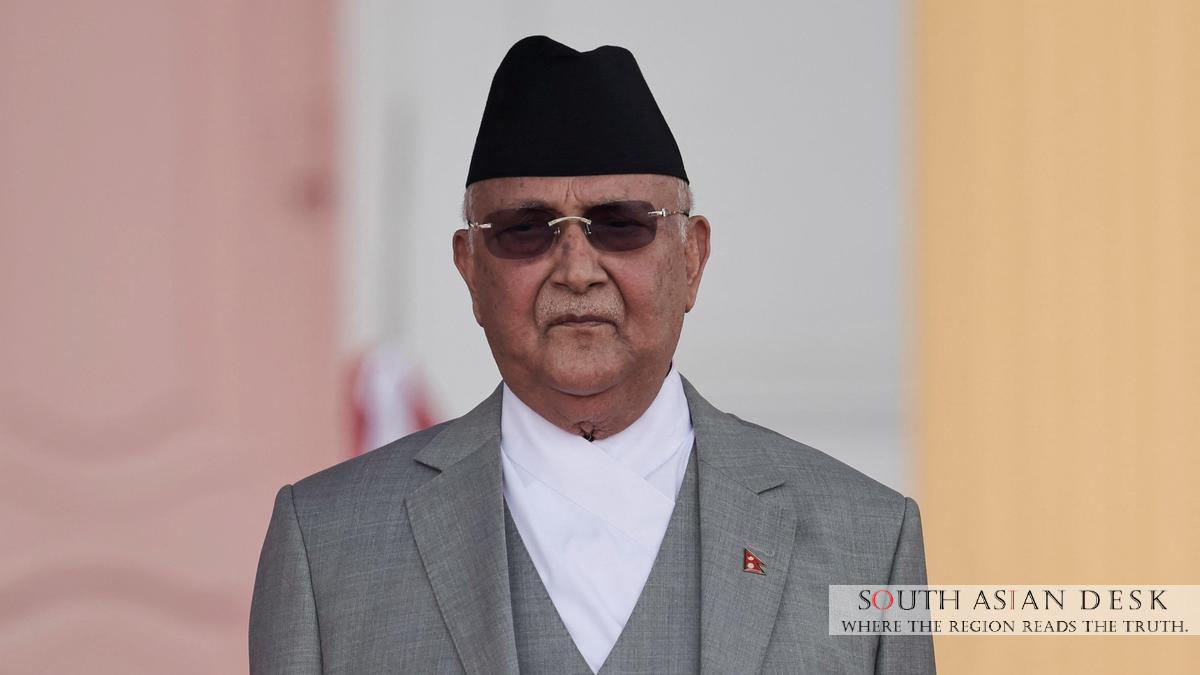
Nepal: Former Prime Minister KP Sharma Oli was arrested on March 28, 2026, over his alleged involvement in a deadly crackdown on protests in September 2025. The protests, initially triggered by a government-imposed social media ban, resulted in over 70 deaths, many of whom were protestors shot by the police.
The arrest follows recommendations from an investigative panel that also called for the prosecution of former Home Minister Ramesh Lekhak and former police chief Chandra Kuber Khapung for criminal negligence. Oli, who previously dismissed the panel’s findings as ‘character assassination,’ has denied any wrongdoing. His legal team argues that his detention is unwarranted and politically motivated.
The unrest, known as the ‘Gen-Z protests,’ erupted on September 8, 2025, as young people took to the streets in response to the social media shutdown. The protests rapidly expanded, fueled by widespread frustration over corruption, economic stagnation, and high unemployment. The demonstrations led to significant violence, including the burning of parliament buildings and police stations.
The political crisis prompted early elections, resulting in a landslide victory for Balen Shah’s Rastriya Swatantra Party on March 5, 2026. Shah, a former rapper, was sworn in as Nepal’s new prime minister, marking a significant shift in the nation’s political landscape. His administration has vowed to hold those responsible for the crackdown accountable, with new Home Minister Sudan Gurung publicly supporting the arrests.
The arrests of Oli and Lekhak are seen as a critical step towards justice for the families of the victims. However, the situation remains tense, with potential implications for Nepal’s political stability and international relations. Observers are closely watching how Shah’s government will navigate these challenges and whether it can deliver on its promises of reform.
Published in SouthAsianDesk, March 28, 2026
Follow SouthAsianDesk on X, Instagram and Facebook for insights on business and current affairs from across South Asia.
