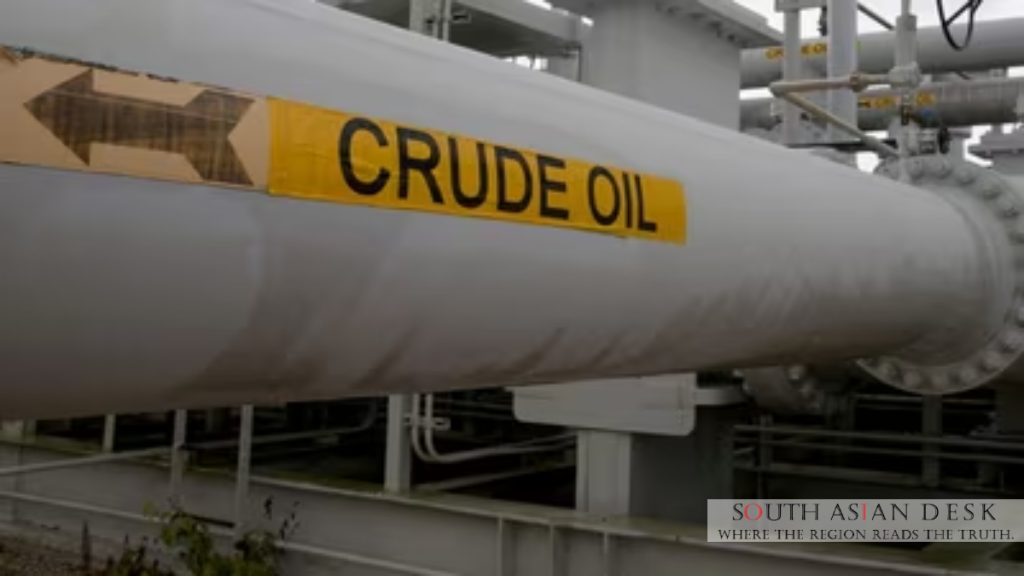
Pakistan IMF agreement: Pakistan has reached an agreement with the International Monetary Fund (IMF) to pass on increases in oil prices to consumers, while developing targeted subsidy mechanisms to shield vulnerable segments of the population. This decision comes amid rising global volatility, particularly due to geopolitical conflicts in the Gulf region.
To mitigate the adverse effects of increased fuel and food prices, the Pakistani government will enhance the monthly stipend under the Benazir Income Support Program (BISP) from Rs14,500 to Rs19,500 starting January 2027. This move is part of a new structural benchmark aimed at supporting the nation’s most vulnerable.
The government has also established the Prime Minister’s Austerity Fund, reduced the Public Sector Development Programme (PSDP) by Rs100 billion, and saved Rs27 billion through a reduction in fuel allowances and a 20% cut in non-salary expenditures. These measures are temporary, with regular fuel price adjustments crucial to managing demand.
In light of high volatility in oil and fertilizer prices, the government will delay increasing the Federal Excise Duty (FED) on fertilizers and pesticides. Official sources emphasize the strategic importance of fertilizers and the uncertainties faced by the agricultural sector.
Efforts to protect the vulnerable from food and fuel price volatility include improving the Benazir Income Support Program (BISP) and increasing health and education expenditures. By the end of FY26, the government plans to add 200,000 households to the program, raising total enrollment to 10.2 million households. The FY27 budget will accommodate an increase in the Kafaalat benefit, absorbing inflationary pressures.
The government also plans to expand conditional cash transfer programs, increasing enrollment in the Taleemi health and education program by 700,000 and the Nashonama nutrition program by 200,000 over FY26. A new program targeting skills development is also in the works, in collaboration with the World Bank to avoid overlap with provincial programs.
Progress in the payment mechanism under BISP includes creating e-wallets for 7 million beneficiary families and distributing SIM cards for mobile transactions. These improvements aim to enhance transparency and efficiency in benefit disbursement.
Pakistan’s inflation surged to a year-and-a-half high in March 2026, driven by disruptions in the Strait of Hormuz affecting fuel and energy prices. The consumer price index rose 7.3% year-on-year, with transport costs leading the surge. Analysts warn of further inflationary pressures in the coming months.
Prime Minister Shehbaz Sharif has directed the formulation of a comprehensive strategy to mitigate the financial and economic impacts of the regional situation. He emphasized the need for a balanced approach to supply and demand across sectors and highlighted successful management of domestic food and commodity supplies.
The government is also prioritizing technical and vocational training for youth, aiming to integrate them into the workforce with skills in high demand globally. This initiative is part of a broader strategy to boost foreign investment and digital economy growth.
Published in SouthAsianDesk, April 2, 2026
Follow SouthAsianDesk on X, Instagram and Facebook for insights on business and current affairs from across South Asia.