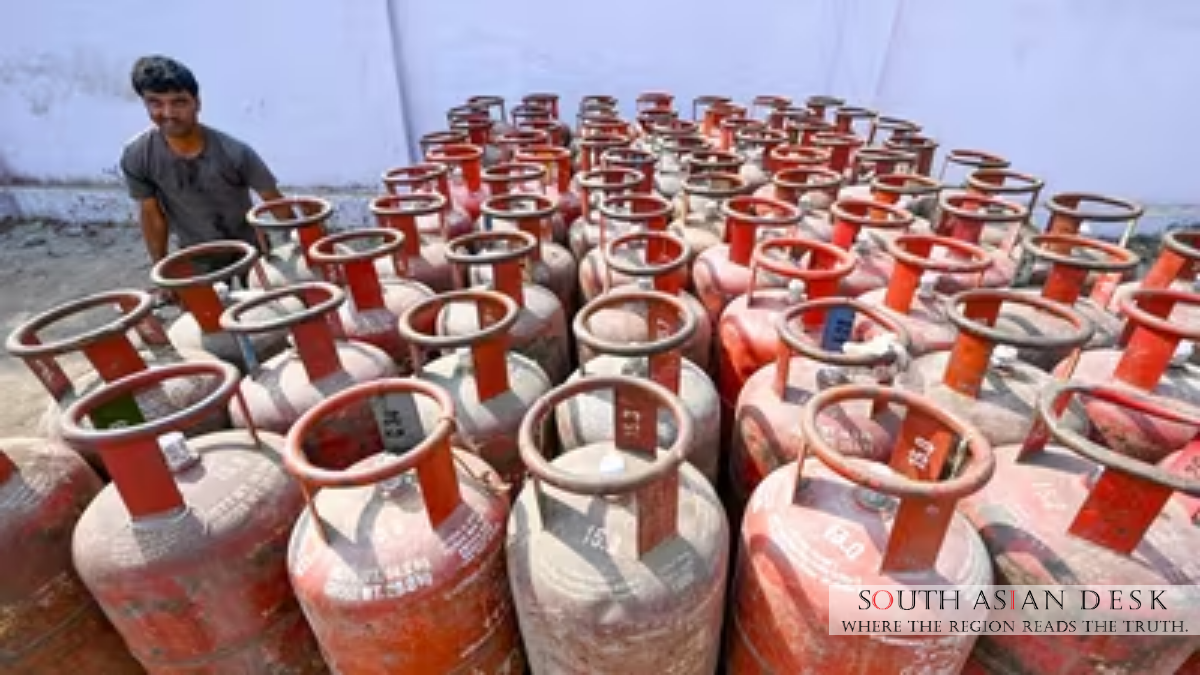
India’s domestic production of liquefied petroleum gas (LPG) has surged to nearly 60% of its requirements, significantly up from 40% on March 18, according to the petroleum ministry’s announcement on April 11, 2026. This increase comes amid disruptions in supply from West Asia due to ongoing regional conflict.
Sujata Sharma, the joint secretary of the petroleum ministry, stated that the country’s refineries are operating at full capacity and that there is a sufficient inventory of crude. She noted, “Domestic LPG production has increased and it is close to 60% of our need right now.”
The annual LPG consumption in India for 2025-26 was recorded at 33.21 million tonnes. However, consumption dropped sharply in March due to supply disruptions from West Asia following the outbreak of conflict on February 28. Before the conflict, India imported 60% of its LPG needs, primarily from Qatar.
As the conflict affected the Strait of Hormuz and Qatar’s Ras Laffan gas facility, India prioritized household supply over commercial use, ensuring full supply to over 332 million households. Indian refineries were instructed to boost LPG output, even at the expense of petrochemical production.
Prospects for LPG imports have improved with a temporary ceasefire in West Asia and assurances from Qatar to fulfill supply commitments. During a visit to Doha on April 9, India’s petroleum minister Hardeep Singh Puri met with Qatar’s energy officials, who reaffirmed their commitment to being a reliable energy supplier to India.
The meeting also highlighted the strategic relations between India and Qatar, covering trade, investment, and cultural ties. The ministers expressed hope for a swift return to regional stability and further strengthening of bilateral relations.
Published in SouthAsianDesk, April 11, 2026
Follow SouthAsianDesk on X, Instagram and Facebook for insights on business and current affairs from across South Asia.