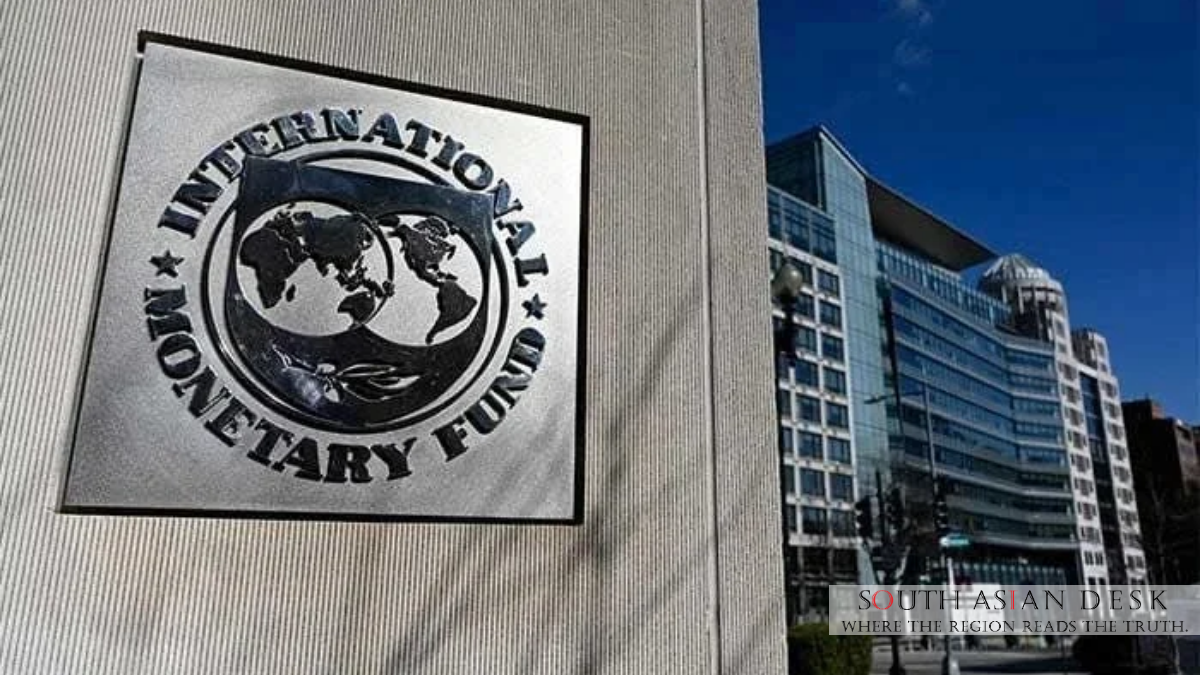
The International Monetary Fund (IMF) has revised Pakistan’s economic growth forecast to 3.5% for the fiscal year 2026-27, citing the ongoing Middle East conflict as a significant factor. This adjustment was announced on April 14, 2026, during the spring meetings, where the global lender also increased its inflation projection for Pakistan to 8.4% for the next fiscal year.
In its World Economic Outlook report, the IMF highlighted that Pakistan’s dependency on energy imports from the Middle East makes it particularly vulnerable to regional instability. The conflict has led to increased oil prices, which are expected to range between $100 and $120 per barrel under adverse scenarios.
The IMF’s report aligns with projections from the Asian Development Bank and Fitch rating agency, maintaining the current fiscal year’s growth at 3.6%. However, the inflation forecast of 8.4% is the highest among international financial institutions, potentially pressuring Pakistan’s central bank to raise interest rates.
Additionally, the IMF has revised Pakistan’s current account deficit projection to 0.9% of GDP, approximately $5 billion, for the next fiscal year. This marks a significant increase from the 0.4% projection for the current year, reflecting the economic impact of the conflict.
Pakistan’s role as a mediator in the Middle East, having hosted peace talks between the United States and Iran, underscores its geopolitical significance. However, the ongoing conflict poses challenges to its economic stability, with potential repercussions on global trade and energy markets.
Published in SouthAsianDesk, April 15, 2026
Follow SouthAsianDesk on X, Instagram and Facebook for insights on business and current affairs from across South Asia.