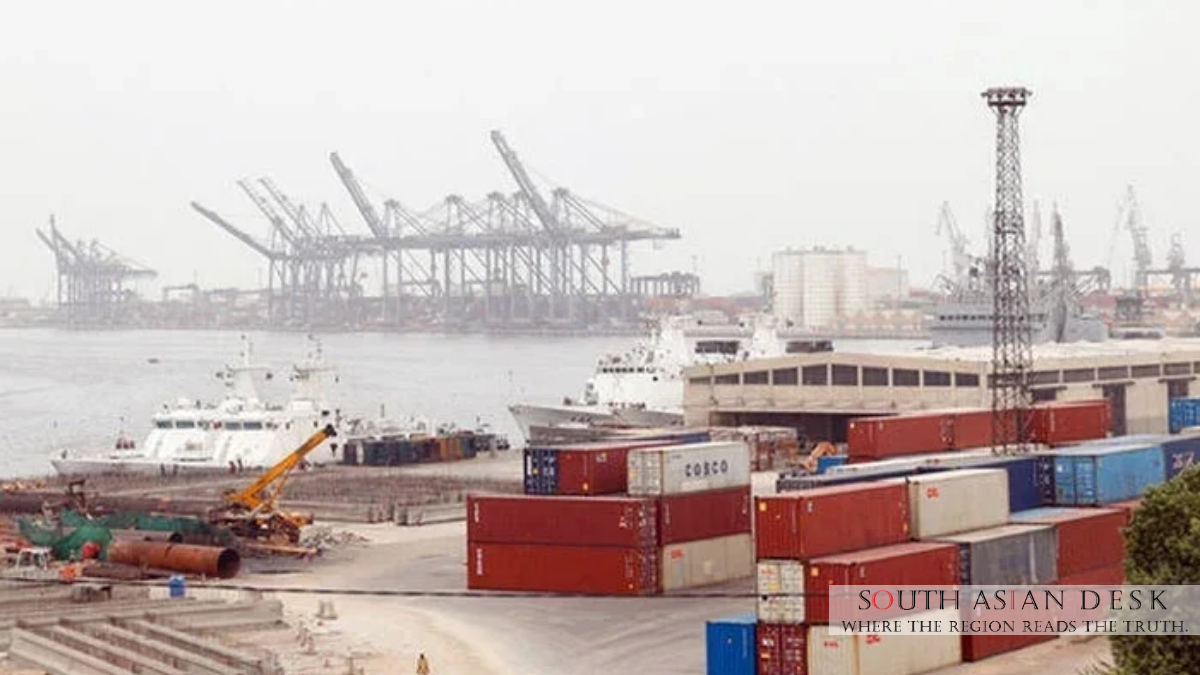
Pakistan’s trade deficit has widened significantly, increasing by 20% to reach $32 billion during the first ten months of the fiscal year 2026. This alarming expansion was reported by the Pakistan Bureau of Statistics, highlighting the country’s ongoing economic challenges.
Between July 2025 and April 2026, Pakistan’s imports rose by nearly 7% to $57.2 billion, while exports fell by over 6% to $25.2 billion. This imbalance has intensified worries about the depletion of foreign exchange reserves and mounting pressure on the Pakistani rupee.
The trade deficit situation worsened in April 2026, with the monthly deficit increasing by nearly 4% compared to the previous year, totaling just over $4 billion. Although monthly exports grew by 14% to $2.48 billion, imports surged by 7.5% to $6.55 billion, exacerbating the fiscal imbalance.
While the services trade sector showed some positive signs, with a 6.7% reduction in the deficit to $2.15 billion during July-March FY26, the overall economic outlook remains bleak. Services exports rose by 17% to $7.35 billion, but were outpaced by an 11% increase in services imports, reaching $9.5 billion.
Economists warn that Pakistan’s sluggish export growth, coupled with high import levels, continues to threaten economic stability. The reliance on foreign loans to stabilize cash reserves further complicates the situation. Looking ahead, Pakistan must address these imbalances to secure economic resilience.
Published in SouthAsianDesk, May 5, 2026
Follow SouthAsianDesk on X, Instagram and Facebook for insights on business and current affairs from across South Asia.