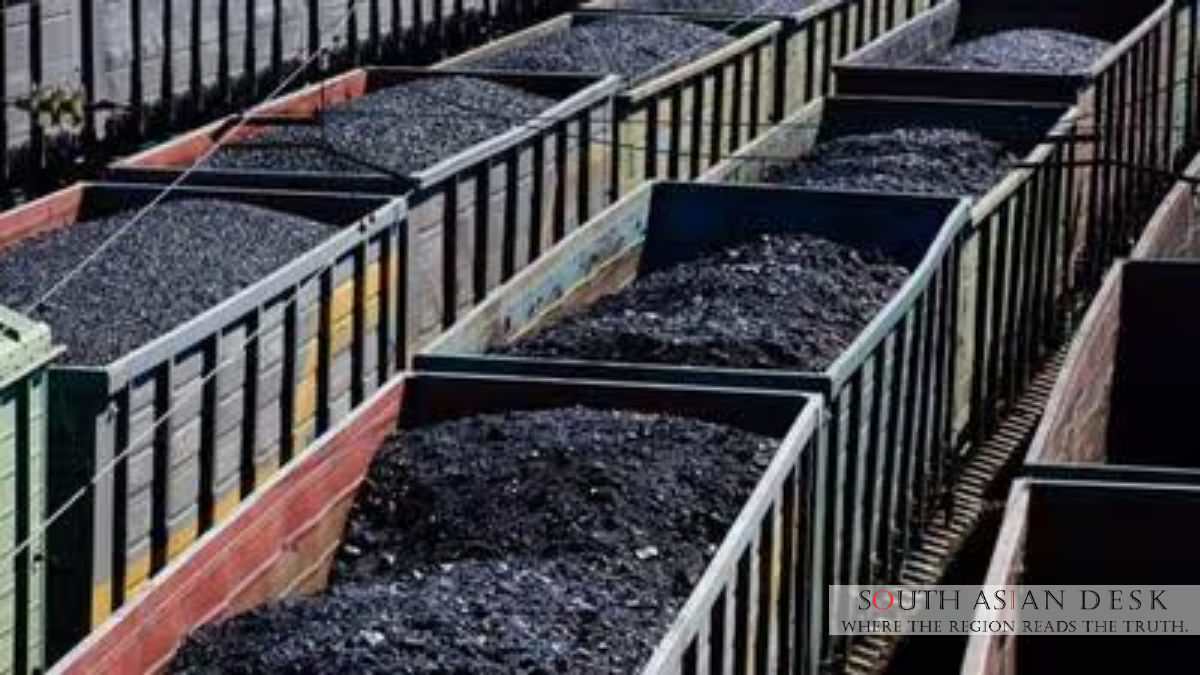
On May 13, 2026, the Indian government approved a substantial coal and lignite gasification scheme with a financial outlay of ₹37,500 crore. This initiative is a pivotal move towards achieving the national target of gasifying 100 million tonnes of coal by 2030, thereby bolstering India’s energy security and diminishing reliance on imported products like liquefied natural gas (LNG), urea, ammonia, and methanol.
The scheme builds on the National Coal Gasification Mission established in 2021 and follows a previous ₹8,500 crore initiative approved in January 2024. Under the new scheme, financial incentives are set at a maximum of 20% of the plant and machinery costs, with a competitive bidding process in place to evaluate project costs, coal gasification input, and syngas output. The financial cap for any single project is ₹5,000 crore, with a limit of ₹9,000 crore for any single product (except synthetic natural gas and urea) and ₹12,000 crore for any single entity group across all projects.
India’s dependence on imports for key products has been a significant economic vulnerability, highlighted by the geopolitical tensions in West Asia. In the financial year 2025, the import bill for LNG, urea, ammonium nitrate, ammonia, coking coal, and methanol was approximately ₹2.77 lakh crore. The new coal gasification scheme is designed to insulate India from global price volatility and supply chain disruptions, aligning with the Atmanirbhar Bharat and Make in India objectives.
With one of the world’s largest coal and lignite reserves, India is well-positioned to leverage this resource for energy production. The scheme is expected to generate around 50,000 direct and indirect jobs across 25 projects in coal-rich regions. This move is not only a strategic step towards energy independence but also a significant contributor to economic growth and job creation in the country.
Published in SouthAsianDesk, May 14, 2026
Follow SouthAsianDesk on X, Instagram and Facebook for insights on business and current affairs from across South Asia.