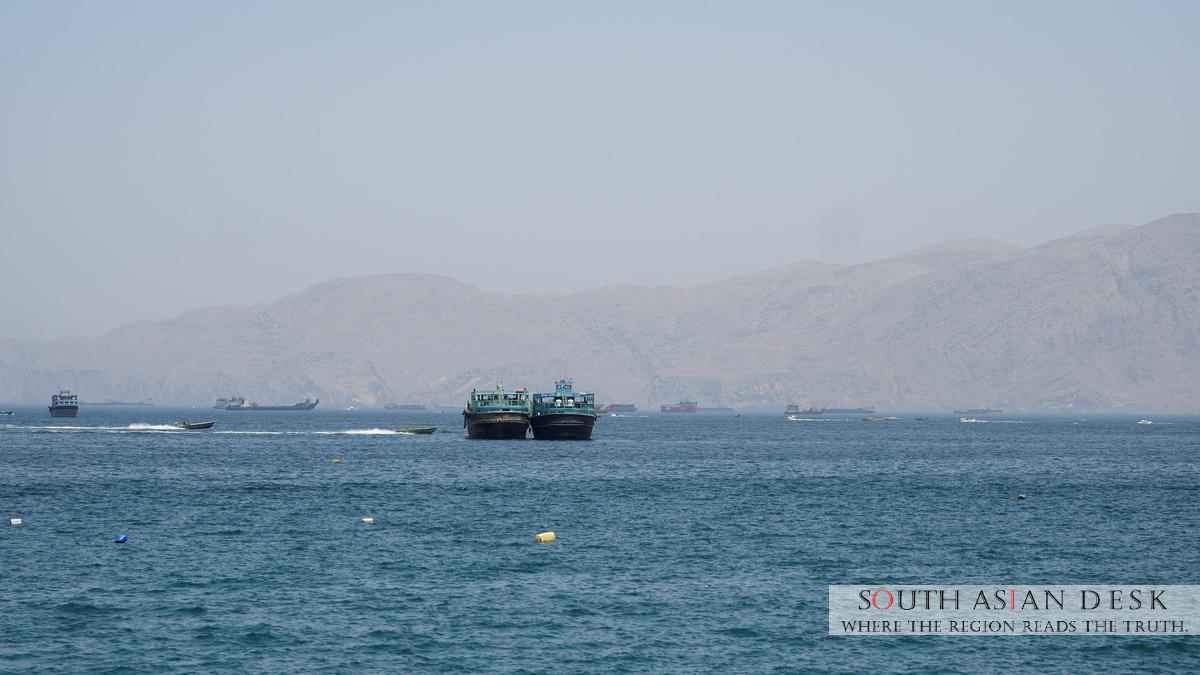
India oil tankers carrying more than 860,000 metric tonnes of oil have safely crossed the Strait of Hormuz and are now heading towards Indian ports, according to Union Ports, Shipping and Waterways Minister Sarbananda Sonowal.
The three Indian-flagged tankers were identified as Desh Vaibhav, Desh Vibhor and Sanmar Herald. Sonowal said the vessels completed their transit through the strategic waterway with 94 Indian crew members on board.
The development offers some relief for India’s shipping and energy sectors after weeks of disruption around one of the world’s most important oil routes. Before the latest transit, several Indian-flagged cargoes had reportedly remained stuck in the Strait of Hormuz due to security concerns.
India Oil Tankers Resume Movement Through Hormuz
The safe passage of the three Indian-flagged tankers comes as oil shipments through the Strait of Hormuz have begun to increase following a ceasefire agreement between the United States and Iran.
The waterway is a critical route for global energy trade, connecting the Persian Gulf with the Gulf of Oman and the Arabian Sea. According to the US Energy Information Administration, oil flows through the strait averaged around 20 million barrels per day in 2024, equal to about 20% of global petroleum liquids consumption.
For India, the route is especially significant because the country depends heavily on imported crude and liquefied petroleum gas. Indian government statements earlier this year said a large share of India’s LPG imports and a major portion of crude imports were linked to the Hormuz route before the recent crisis.
Indian Seafarers’ Safety Remains Priority
Sonowal said his ministry was coordinating with relevant agencies to ensure the safety of Indian seafarers and protect the country’s energy supply routes.
The issue has remained sensitive for New Delhi because Indian nationals form a major part of global maritime crews, including on vessels operating through the Gulf. Any escalation in the region can therefore affect both India’s energy security and the safety of its citizens working at sea.
The latest movement of Indian-flagged tankers suggests that some shipping activity is returning, although risks remain. The US and Iran have released the text of an interim agreement aimed at ending the conflict, but Washington has warned that military action could resume if commitments are not honoured.
Strait of Hormuz Still Faces Security Concerns
Despite the passage of the three tankers, shipping through the Strait of Hormuz remains closely watched by governments, oil markets and maritime companies.
The strait has long been treated as a vulnerable energy chokepoint because there are limited alternative routes for large volumes of Gulf oil and gas exports. Any prolonged disruption can raise freight costs, insurance premiums and crude prices, while also delaying deliveries to Asian importers.
India has been trying to reduce exposure to disruptions by diversifying crude supply routes and securing alternative volumes. However, the safe movement of Indian-flagged vessels through Hormuz remains important for maintaining confidence in energy flows from the Gulf.
Crude Oil Supply Concerns Ease Slightly
The crossing of Desh Vaibhav, Desh Vibhor and Sanmar Herald is likely to be viewed as a positive signal by Indian refiners and shipping operators. However, it does not mean that normal conditions have fully returned.
The pace of further vessel movement will depend on security guarantees, regional diplomacy, insurance conditions and whether the ceasefire arrangement holds. Gulf producers are expected to increase exports if the route remains stable, but market caution is likely to continue.
For now, Indian officials are presenting the tankers’ safe passage as a sign that coordination efforts are working and that energy supply lines are being protected.
Published in SouthAsianDesk, June 21, 2026
Follow SouthAsianDesk on X, Instagram and Facebook for insights on business and current affairs from across South Asia.