Bangladesh technical education vacancies have left more than half of approved teaching posts unfilled, raising fresh concerns about the country’s ability to expand vocational learning and prepare students for a skills-based economy.
Education Minister A N M Ehsanul Hoque Milon said technical education institutions have 15,844 approved teaching posts, but only 7,074 are currently filled. That leaves 8,770 posts vacant, meaning more than 55 percent of sanctioned teaching positions in the sector remain empty.
The figures highlight a serious staffing gap at a time when Bangladesh is trying to make technical and vocational education a stronger part of its national education strategy. Without enough teachers, laboratories, practical classes and industry-linked training programmes are difficult to run effectively.
Bangladesh Technical Education Vacancies Raise Quality Concerns
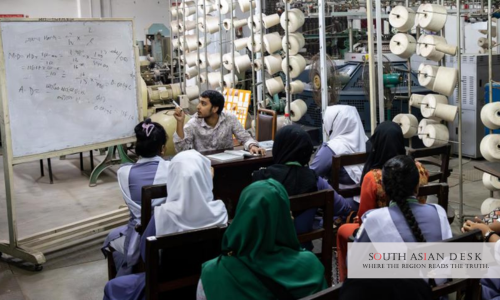
The scale of Bangladesh technical education vacancies is particularly worrying because technical education depends heavily on trained instructors. Unlike general classroom teaching, vocational education requires subject specialists, workshop trainers and teachers who can guide students through practical skills.
Shortages in these posts can directly affect learning outcomes. Students may complete courses without enough hands-on training, institutions may be forced to combine classes, and existing teachers may carry excessive workloads.
This weakens the purpose of technical education itself. The sector is supposed to produce employable graduates in areas such as engineering trades, information technology, electrical work, mechanical skills, agriculture, healthcare support and industrial services. If institutions do not have enough teachers, the gap between classroom learning and labour-market needs grows wider.
Recruitment Underway, But Gap Remains Large
Milon said recruitment is already underway for 1,552 technical education posts. The Directorate of Technical Education has also sent a requisition to the Public Service Commission to fill another 1,579 positions.
Even if both processes are completed, the sector would still face a large shortfall. Filling around 3,131 posts would reduce pressure, but it would not fully resolve a vacancy pool of 8,770 posts.
The problem therefore appears structural rather than temporary. Bangladesh needs not only one round of recruitment but a faster, regular and better-planned hiring system for technical institutions.
Why Technical Education Matters for Bangladesh
Bangladesh has been placing growing emphasis on vocational education because the country needs a workforce that can support industrial growth, overseas employment, digital services and local enterprise.
A strong technical education system can help young people move from low-paid informal work into skilled employment. It can also support export industries, reduce youth unemployment and make the economy more competitive.
But that promise depends on quality. Technical education cannot succeed through enrolment targets alone. Institutions need qualified teachers, updated equipment, functioning workshops, industry partnerships and courses that match job-market demand.
Teacher shortages undermine all of these goals. A technical institute without enough instructors is unlikely to deliver the practical training students need.
Wider Teacher Shortage Adds Pressure
The technical education crisis is part of a broader staffing problem in Bangladesh’s education sector. Earlier figures placed nationwide teacher vacancies at more than 92,000 across different categories of institutions.
That wider shortage affects schools, madrasas and technical institutions alike. But the impact is especially severe in vocational education because subject-specific teaching capacity is harder to replace.
A general teacher shortage can be managed temporarily through redistribution or temporary appointments. Technical education is less flexible. A welding instructor, computer networking teacher or electrical trade trainer cannot easily be replaced by a general subject teacher.
Skills-Based Education Needs Stronger Planning
Bangladesh’s education reform agenda has repeatedly spoken of skills, employability and modernised learning. Those aims will remain difficult to achieve unless staffing is treated as a core reform issue.
The government needs a clear technical education workforce plan. That should include faster recruitment, better retention, teacher training, updated service rules and incentives for specialists to join technical institutions.
It should also include stronger coordination between the Directorate of Technical Education, the Public Service Commission and education authorities so that vacancies do not remain pending for years.
Vacancies Could Slow Economic Ambitions
The shortage of technical education teachers is not just an education-sector problem. It is also an economic problem.
Bangladesh wants to move up the value chain, diversify exports and prepare workers for changing domestic and international labour markets. That requires a pipeline of skilled graduates. If technical institutes remain understaffed, the country may struggle to produce enough trained workers for industry.
The vacancy figures should therefore be treated as a warning. Expanding technical education on paper is not enough. The system needs teachers in classrooms, trainers in workshops and institutions capable of delivering real skills.
For Bangladesh, filling technical education vacancies is now essential to making vocational education credible, employable and useful for the next generation.
Published in SouthAsianDesk, June 28, 2026
Follow SouthAsianDesk on X, Instagram and Facebook for insights on business and current affairs from across South Asia.