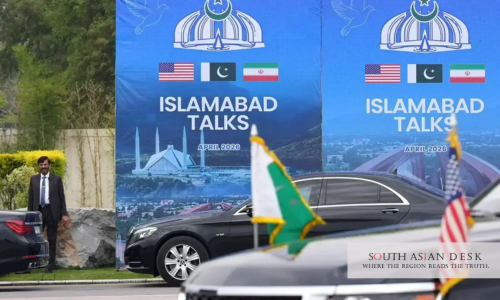
US-Iran talks are expected to resume on July 11, with Islamabad emerging as the leading venue for the next round of technical negotiations between Washington and Tehran.
Diplomatic sources cited in reports said Islamabad is currently the more likely option, although Switzerland’s Burgenstock resort is also under consideration. A final venue has not yet been formally announced.
The renewed push follows earlier indirect discussions in Doha, where Qatari and Pakistani mediators held separate meetings with US and Iranian negotiators. Those talks focused on implementing the Islamabad MoU, a framework intended to keep diplomatic channels open after weeks of regional tension.
US-Iran Talks to Focus on Nuclear Issues and Sanctions Relief
The next round of US-Iran talks is expected to cover Iran’s nuclear programme, sanctions relief and frozen Iranian assets held abroad. Regional security will also remain central, particularly freedom of navigation in the Strait of Hormuz.
The Strait of Hormuz remains one of the world’s most sensitive energy routes, and any renewed confrontation there could unsettle oil markets and regional security. This is why mediators are trying to preserve the fragile diplomatic track before tensions escalate again.
The Islamabad MoU reportedly gives both sides a limited window to work towards a broader agreement. That would include nuclear restrictions, economic relief measures and steps to prevent further military confrontation.
Pakistan Mediation Places Islamabad in Diplomatic Spotlight
Pakistan’s possible role as host would mark a notable moment in its regional diplomacy. Alongside Qatar mediation, Pakistan has helped facilitate indirect engagement between the United States and Iran at a time when direct dialogue remains politically difficult.
The talks were paused due to funeral ceremonies for Iran’s late Supreme Leader Ayatollah Ali Khamenei. Iranian officials are expected to finalise their delegation after those ceremonies conclude.
Despite diplomatic movement, the atmosphere remains tense. US and Iranian officials have continued to exchange sharp public remarks, showing that the negotiation process remains fragile. Still, the willingness to hold another technical round suggests both sides are not yet ready to abandon diplomacy.
For now, Islamabad’s possible hosting of the next round signals that Pakistan may continue to play a quiet but important role in efforts to stabilise US-Iran relations, protect Gulf maritime routes and prevent another regional crisis.
Published in SouthAsianDesk, July 6, 2026
Follow SouthAsianDesk on X, Instagram and Facebook for insights on business and current affairs from across South Asia.