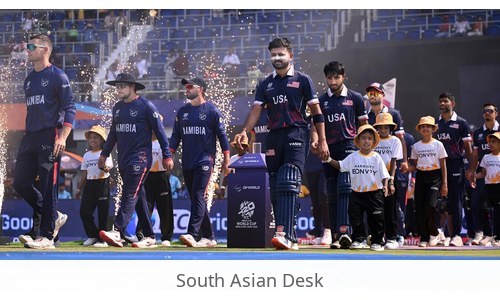
The 2027 ODI World Cup format is set to undergo significant changes, with the International Cricket Council (ICC) announcing structural updates to the tournament. On 2026-07-16, the ICC introduced a preliminary round for the three lowest-ranked qualifiers, with only one progressing to the main group stage of 12 teams. The main group stage will consist of two pools of six teams, according to ESPNcricinfo. The ICC aims to enhance the significance of matches with the new structure, as stated in the ESPNcricinfo article.
2027 ODI World Cup format: Impact on Traditional Rivalries
The new 2027 ODI World Cup format could lead to an additional match between Pakistan and India, a significant draw for fans, as reported by Dawn. Historical matches between these rivals have drawn massive audiences, with encounters often surpassing 100 million viewers globally, according to regional media archives.
The potential for an extra encounter may heighten competitive stakes, as these matches are not only sporting events but also symbolic of geopolitical and cultural narratives in South Asia. However, the format’s emphasis on progression through preliminary rounds could alter the dynamics of traditional rivalries, shifting focus from head-to-head confrontations to broader qualification battles. This structural change may inadvertently reduce the frequency of direct clashes between top teams, potentially affecting the emotional resonance of these matches for fans.
Challenges Facing the ODI Format
The ODI format faces challenges in maintaining its identity amid the rising popularity of T20 cricket, as noted by The Hindu. The changes aim to address declining viewer engagement by increasing the number of high-stakes matches.
In South Asia, where ODI cricket holds cultural significance, the balance between preserving the format’s legacy and adapting to modern preferences remains a critical concern. The 50-over format, which has been the cornerstone of international cricket since the 1970s, is increasingly perceived as outdated by younger audiences who favor the faster-paced T20 format.
This shift has prompted the ICC to re-evaluate the structure of tournaments, with the 2027 World Cup serving as a test case for revitalizing interest in longer formats. However, critics argue that the proposed changes may not fully address the underlying issue of declining viewership, as the core appeal of ODI—its blend of strategy and endurance—may not align with the instant gratification offered by T20.
Broader Implications for Cricket’s Competitive Landscape
The restructuring of the World Cup format reflects ongoing debates within cricket about how to maintain viewer engagement and competitiveness in the face of evolving formats like T20. This is particularly relevant in South Asia, where cricket holds immense cultural significance.
The inclusion of a preliminary round for lower-ranked teams introduces a new layer of competition, potentially elevating the status of associate nations. However, this could also lead to logistical challenges, such as scheduling conflicts and increased travel demands for teams participating in both the preliminary and main stages.
Additionally, the format’s emphasis on progression through qualifiers may place greater pressure on teams to perform consistently across multiple matches, altering the strategic approach of coaches and players.
Conclusion
The revamped structure of the World Cup may reshape cricket’s competitive landscape, particularly for traditional rivals like Pakistan and India. While the preliminary round could add excitement through increased match opportunities, the long-term success of the ODI format will depend on its ability to retain relevance in an evolving cricketing ecosystem.
The ICC’s balancing act between formats will be closely watched by fans and stakeholders alike, as the outcome of these changes could influence the future trajectory of international cricket. The decision to prioritize high-stakes matches and ensure the inclusion of iconic rivalries underscores the ICC’s efforts to preserve the sport’s heritage while adapting to contemporary demands.
Follow SouthAsianDesk on X, Instagram and Facebook for insights on business and current affairs from across South Asia.
Sources
- Cricket World Cup – Will expansion lead to elevation? – thehindu.com
- ICC revamp of ODI, T20I World Cup formats may result in extra Pakistan-India clash – dawn.com
- ICC adds Super Series and Super 7 twist to 2027 ODI World Cup – cricinfo.com
Image: th-i.thgim.com