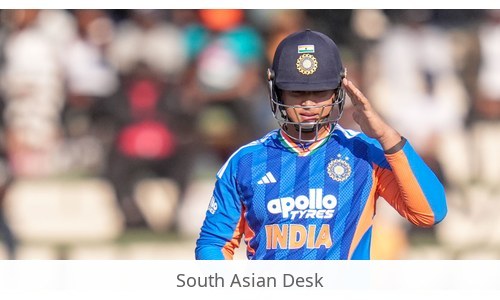
India vs Zimbabwe T20I: On July 23, 2026, India’s cricket team secured a convincing 7-wicket victory against Zimbabwe, marking Shreyas Iyer’s debut win as captain of the national side. The match, played at a neutral venue, underscored Iyer’s leadership potential as India continues its preparations for upcoming international tournaments. This result follows a period of transition for Indian cricket, with Iyer’s leadership style emphasizing adaptability and composure under pressure, a trait that has been critical in the high-stakes T20I format.
India vs Zimbabwe T20I: Impact of Iyer’s Leadership
Shreyas Iyer’s captaincy in this match demonstrated a calculated approach to batting and fielding. His decision to open the innings with a balanced lineup allowed India to post a competitive total of 168/5, with Vaibhav Sooryavanshi scoring a crucial 54 off 38 balls. Iyer’s tactical adjustments during Zimbabwe’s innings, including strategic bowling changes and field placements, proved decisive in restricting the hosts to 161/7. This approach aligns with Iyer’s broader philosophy of leveraging data-driven decision-making and maintaining a disciplined structure, which has been a hallmark of his leadership since assuming the captaincy.
The victory comes after a period of transition for Indian cricket, with Iyer’s leadership style emphasizing adaptability and composure under pressure. Analysts note that his calm demeanor during critical moments, such as the 15th over of Zimbabwe’s innings, helped maintain India’s momentum. This win provides a confidence boost ahead of the T20 World Cup qualifiers later this year, where India’s ability to perform under pressure will be tested against higher-ranked opponents. Iyer’s focus on building a cohesive team dynamic and fostering resilience in the middle order has already begun to bear fruit, as evidenced by the 43-run partnership between Ravindra Jadeja and Axar Patel in the lower order, which proved pivotal in India’s chase.
Zimbabwe’s Performance
Zimbabwe’s performance highlighted both strengths and vulnerabilities in their T20I strategy. Their batting lineup, led by Sean Williams, showed resilience in chasing a challenging target, with contributions from Tendai Chatara (42) and Sikandar Raza (32). However, inconsistencies in their middle order and a lack of depth in the bowling attack limited their ability to capitalize on India’s early wickets. This match revealed the challenges Zimbabwe faces in maintaining consistency against top-tier teams, a recurring issue in their T20I campaigns.
Comparing this match to Zimbabwe’s recent encounters with stronger teams, their aggressive approach in the powerplay was notable but faltered in the middle overs. The team’s inability to contain India’s lower-order partnerships, particularly the 43-run stand between Ravindra Jadeja and Axar Patel, proved costly. Zimbabwe’s bowling unit, while showing flashes of brilliance, struggled to maintain pressure throughout the innings, allowing India to accelerate in the final overs. This performance underscores the need for Zimbabwe to address their middle-order stability and bowling depth if they are to compete effectively in high-stakes T20I matches.
Regional Cricket Context and Implications
The India vs Zimbabwe T20I match also reflects broader trends in South Asian cricket, where T20I formats have become increasingly competitive and strategically nuanced. India’s focus on developing a balanced team capable of adapting to different conditions and oppositions is a key factor in their continued dominance in the region. Iyer’s leadership, which prioritizes team cohesion and tactical flexibility, aligns with India’s long-term strategy to maintain its position as a top-tier T20I team. This victory not only strengthens India’s position in the T20I rankings but also sets a benchmark for their upcoming fixtures against other regional rivals.
For Zimbabwe, the match serves as a reminder of the challenges faced by associate nations in the T20I landscape. While their aggressive batting and occasional bowling brilliance are assets, the lack of depth in their squad and the need for greater consistency in key areas remain critical hurdles. The performance against India highlights the importance of building a more resilient middle order and developing a bowling attack capable of sustaining pressure over the full 20 overs.
Follow SouthAsianDesk on X, Instagram and Facebook for insights on business and current affairs from across South Asia.
The wider context of this developing story also includes Shreyas Iyer captaincy, India cricket victory, and Zimbabwe cricket performance.
Sources
- India beat Zimbabwe by 7 wickets in Shreyas Iyer’s first win as captain – indianexpress.com
- Zimbabwe look to expose vulnerable India searching for winning formula – cricinfo.com
Image: images.indianexpress.com