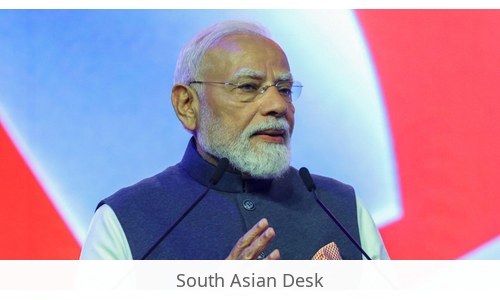
On July 26, 2026, Prime Minister Narendra Modi delivered a heartfelt Kargil Vijay Diwas tribute to the soldiers who lost their lives during the Kargil War in his latest ‘Mann Ki Baat’ address. The 27th anniversary of ‘Operation Vijay’ was marked by renewed national reflection on the sacrifices made by the Indian Army during the 1999 conflict with Pakistan. Modi’s remarks emphasized the enduring legacy of military valor and its role in shaping contemporary national pride India.
The Kargil War, which took place in 1999, was a significant conflict between India and Pakistan, culminating in India’s victory on July 26, 1999, after a nearly three-month-long battle to secure strategic heights in Ladakh. This annual observance, now known as Kargil Vijay Diwas, serves as a reminder of India’s military history and the sacrifices made by its armed forces, fostering a sense of unity and patriotism among citizens.
Kargil Vijay Diwas tribute: Political Reactions
President Droupadi Murmu and other political leaders joined the nation in honoring the Kargil War heroes. Public sentiment, as reported by The Hindu, reflected widespread appreciation for Modi’s address, with many highlighting its role in reinforcing military morale. The Indian Army’s official statement reiterated the significance of Operation Vijay anniversary, which culminated on July 26, 1999, after a three-month battle that secured strategic heights in Ladakh.
The observance has become a key moment for political leaders to reaffirm their commitment to national security and military preparedness. In recent years, the event has also seen increased participation from veterans’ organizations and civil society groups, underscoring its role as a unifying national ritual. The Indian Army’s annual commemoration includes ceremonies at memorials, parades, and the distribution of awards to families of fallen soldiers, reinforcing the connection between historical sacrifice and present-day defense priorities.
Kargil Vijay Diwas and National Identity
The observance of Kargil Vijay Diwas tribute continues to serve as a cornerstone of patriotic discourse in India. Modi’s address linked the historical victory to current defense policies, underscoring the armed forces’ role in safeguarding territorial integrity. This annual remembrance also strengthens public perception of the military as a unifying force, as noted in The Indian Express’s analysis of the event’s political resonance. The Kargil War is often cited as a defining moment in India’s post-independence military history, symbolizing resilience in the face of adversity.
Its legacy is embedded in national narratives that emphasize self-reliance and strategic deterrence. The event has also been leveraged in educational curricula and public campaigns to instill a sense of historical continuity and collective responsibility among younger generations. By highlighting the sacrifices of soldiers, the observance reinforces the idea that national security is a shared endeavor, transcending political divides and fostering a sense of common purpose.
Historical Context and Strategic Significance
The Kargil War, which erupted in May 1999, was a direct result of Pakistan’s incursions into Indian territory in the disputed region of Jammu and Kashmir. The conflict, fought primarily in the mountainous regions of Ladakh and Kargil, saw the Indian Army and Air Force mobilize to repel the incursion and reclaim lost territory. The successful culmination of ‘Operation Vijay’ on July 26, 1999, marked a turning point in the conflict, with Indian forces securing key positions and forcing Pakistan to withdraw.
The strategic importance of the region, which borders China and is vital to India’s northern frontier, has made it a focal point of Indo-Pak tensions. The war also had broader implications for regional security, prompting a reevaluation of India’s defense strategies and its relationships with neighboring countries. The legacy of Operation Vijay continues to influence contemporary military doctrines, emphasizing the need for rapid mobilization, technological advancement, and inter-service coordination.
Follow SouthAsianDesk on X, Instagram and Facebook for insights on business and current affairs from across South Asia.
Image: images.indianexpress.com