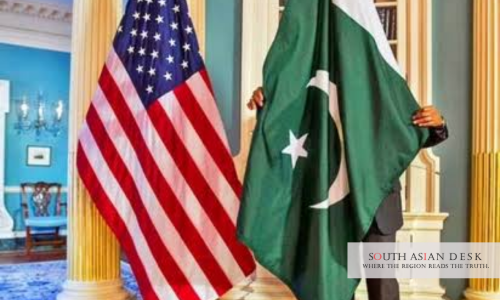
Pakistan-US cultural cooperation took a fresh step forward this week after the United States Charge d’Affaires to Pakistan, Natalie A Baker, proposed developing a joint calendar of cultural activities between the two countries. The proposal, put forward during a meeting in Islamabad, envisions a shared programme of exhibitions, artist exchanges, cultural performances and collaborative events across major Pakistani cities.
The meeting brought together Federal Minister for National Heritage and Culture Aurangzeb Khan Khichi and the US diplomat to discuss ways of deepening ties in areas ranging from museum development and archaeological conservation to cultural exchanges and heritage preservation. According to a statement issued by the ministry, both sides expressed a strong interest in building on the existing relationship between the two nations through practical, on-the-ground initiatives.
A Growing Partnership in Cultural Heritage Preservation
Cultural heritage preservation formed the core of the discussion, with the minister acknowledging the long-standing friendship between Pakistan and the United States and thanking Washington for its continued support of Pakistan’s cultural sector. He pointed to the successful implementation of the Pakistan-US Cultural Property Agreement as a key example of how the two governments have worked together to protect Pakistan’s archaeological legacy.
The minister also stressed the importance of strengthening bilateral cooperation to prevent the illicit trafficking of cultural property, improve institutional collaboration between the relevant departments, and safeguard historical sites and artefacts for future generations. This agreement has become a central pillar of Pakistan-US cultural cooperation, giving both countries a formal framework to address shared concerns around heritage protection.
Repatriation of Artefacts Remains a Key Priority
The repatriation of artefacts was another major theme of the meeting. The minister expressed appreciation for US assistance in returning smuggled Gandhara artefacts and other culturally significant items to Pakistan. He noted that hundreds of antiquities had already been recovered from the United States, along with countries such as Italy, France and the United Kingdom, and that efforts were currently underway to secure the return of additional pieces from Australia.
He expressed hope that Washington would continue to support the repatriation of Pakistani cultural property that remains abroad. To showcase these recovery efforts, the minister shared plans to upgrade the Islamabad Museum into a modern facility in collaboration with South Korea, which will display artefacts returned from the US and other countries alongside Pakistan’s broader archaeological and cultural heritage. Secretary of the National Heritage and Culture Division, Asad Rehman Gillani, added that an exhibition featuring all repatriated artefacts is planned at the Pakistan National Council of the Arts in October to highlight the country’s success in reclaiming its heritage.
The Proposed Joint Cultural Calendar
At the centre of the discussion was the US diplomat’s proposal for a joint cultural calendar, a shared schedule of exhibitions, artist exchanges, performances and collaborative events designed to bring communities in both countries closer together. Baker reaffirmed Washington’s commitment to expanding cultural ties with Pakistan and suggested that American companies operating in the country could play a role in supporting heritage conservation, digitising cultural records, and funding restoration projects through public-private partnerships.
She also referred to the Joint Action Plan under the Pakistan-US Cultural Property Agreement, expressing her wish to turn existing areas of cooperation into concrete, actionable initiatives. For his part, the minister proposed organising a Pakistan-US Cultural Week within Pakistan to celebrate the traditions of both nations, and he invited the US diplomat to attend major Pakistani cultural festivals, including the Shandur Polo Festival in Chitral, as a way of strengthening people-to-people ties.
Recognising Pakistan’s Cultural Diversity
Baker praised the work of the National Heritage and Culture Division in preserving the country’s cultural heritage, particularly the display of repatriated artefacts at the Islamabad Museum. She also thanked the Pakistani government for supporting the Liberty Bell Exhibition and other cultural programmes held at Lok Virsa, and recalled her own visit to Lok Mela, where she experienced firsthand the diversity of Pakistani culture and the warmth of its people.
Officials from the Department of Archaeology and Museums also briefed the US diplomat on the legal framework, procedures and statistics involved in the repatriation of antiquities, as well as the ongoing efforts to curb the illicit trafficking of cultural property.
Looking Ahead
The discussions mark another step in strengthening Pakistan-US cultural cooperation, building on years of collaboration in heritage preservation and artefact recovery. With a joint cultural calendar, an upcoming exhibition of repatriated antiquities, and a proposed Cultural Week under consideration, both countries appear ready to translate diplomatic goodwill into tangible cultural exchange in the months ahead.
Published in SouthAsianDesk, August 7th, 2026
Follow SouthAsianDesk on X, Instagram and Facebook for insights on business and current affairs from across South Asia.